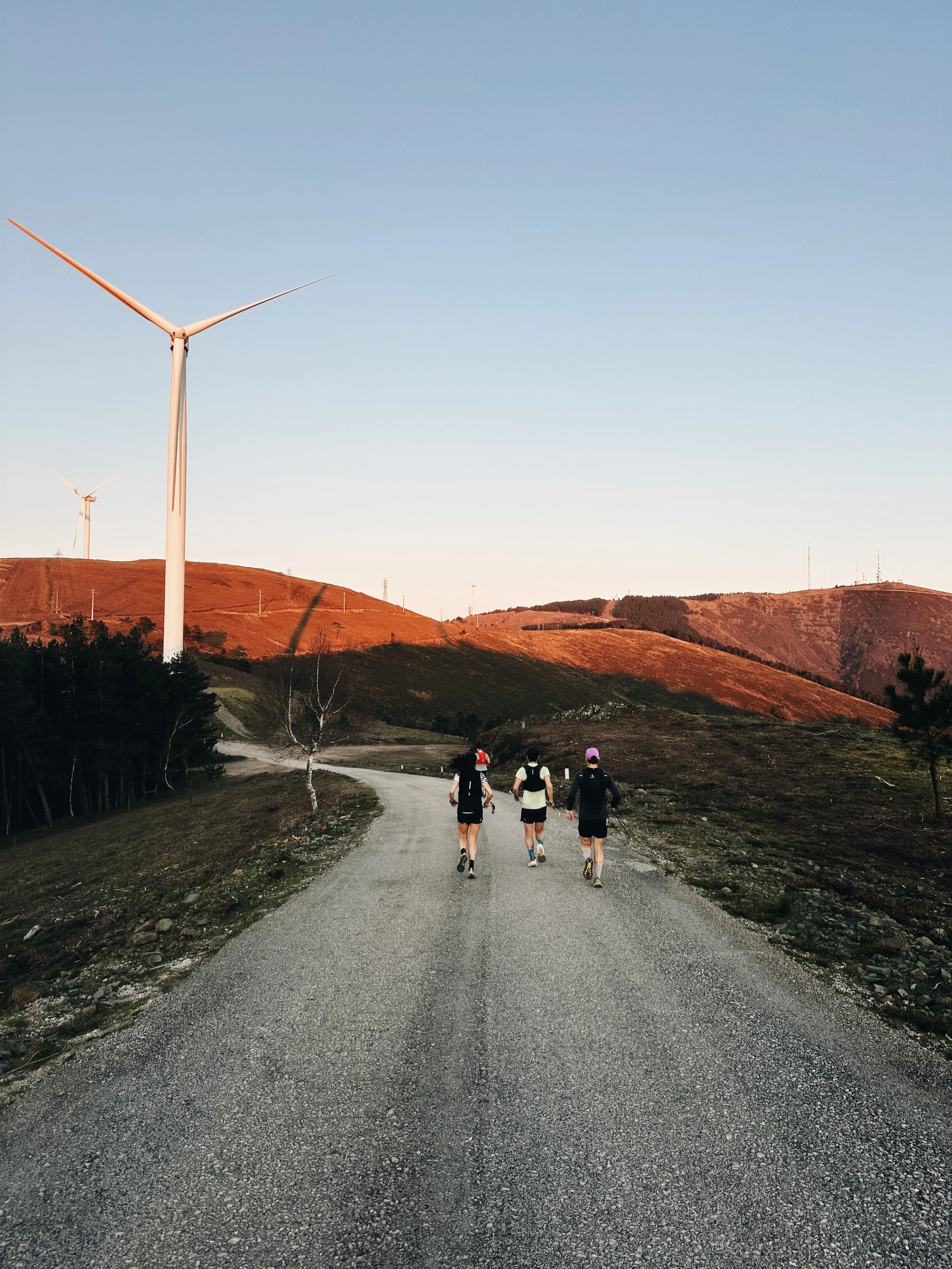
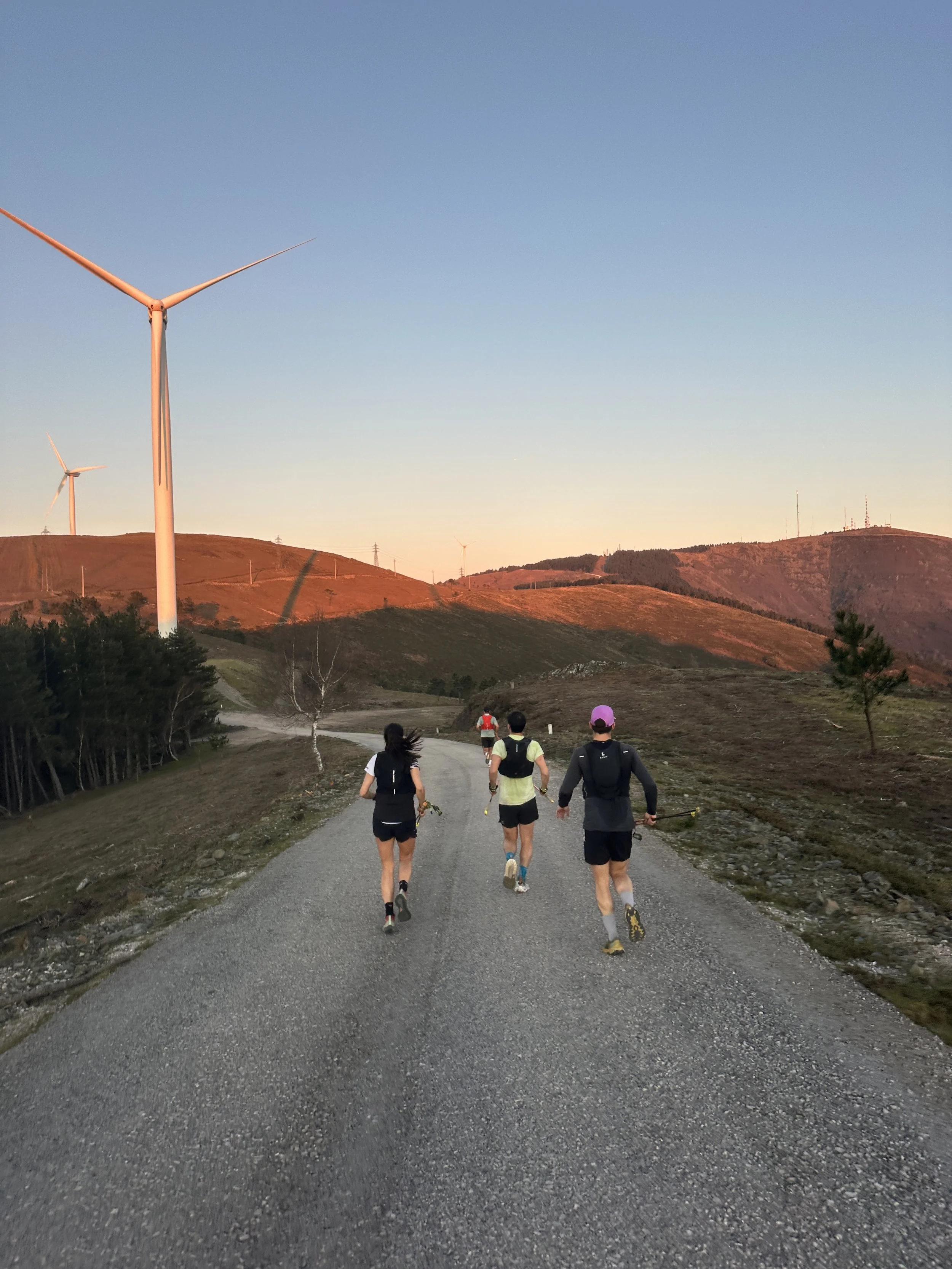
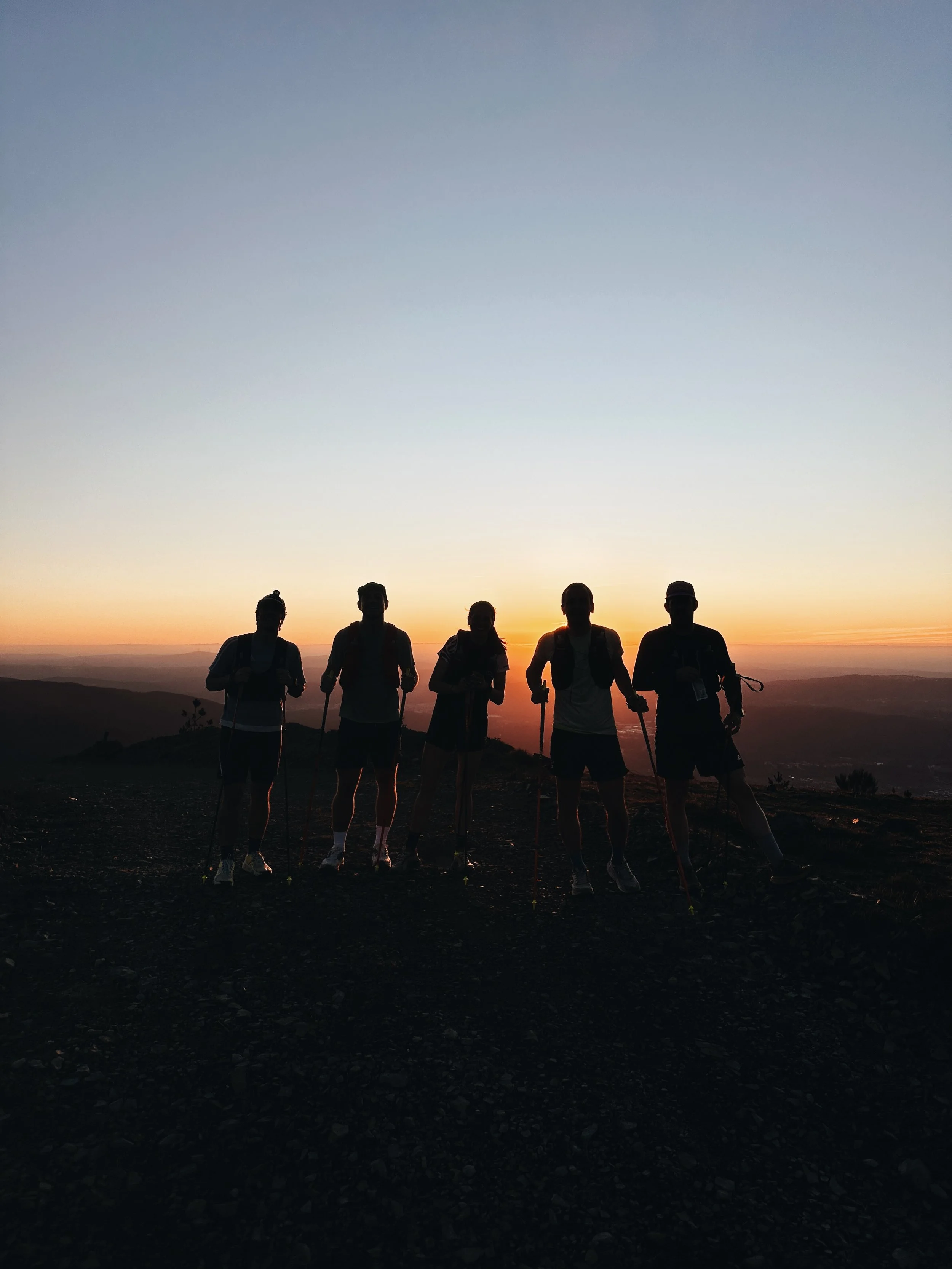
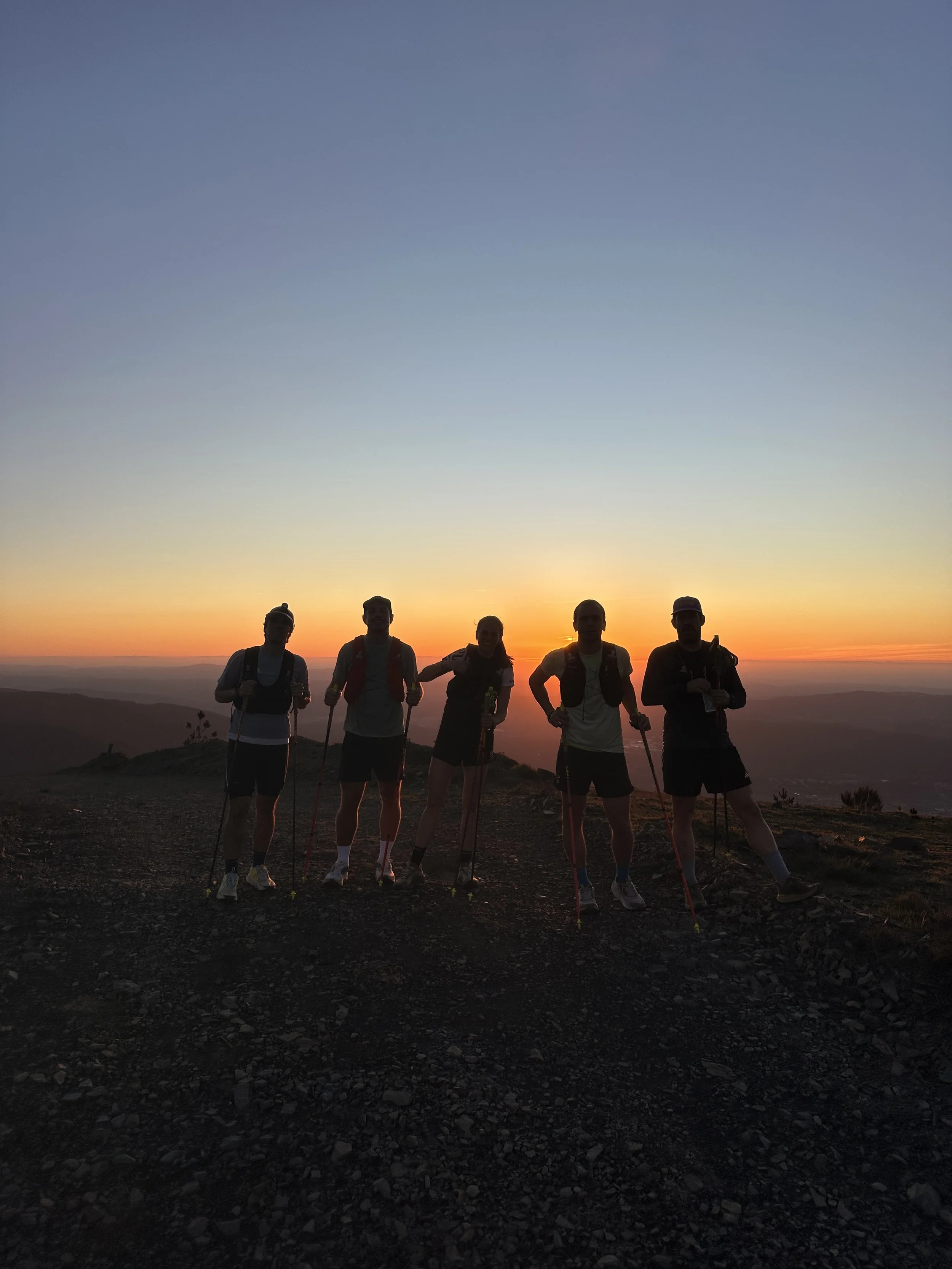
The Team
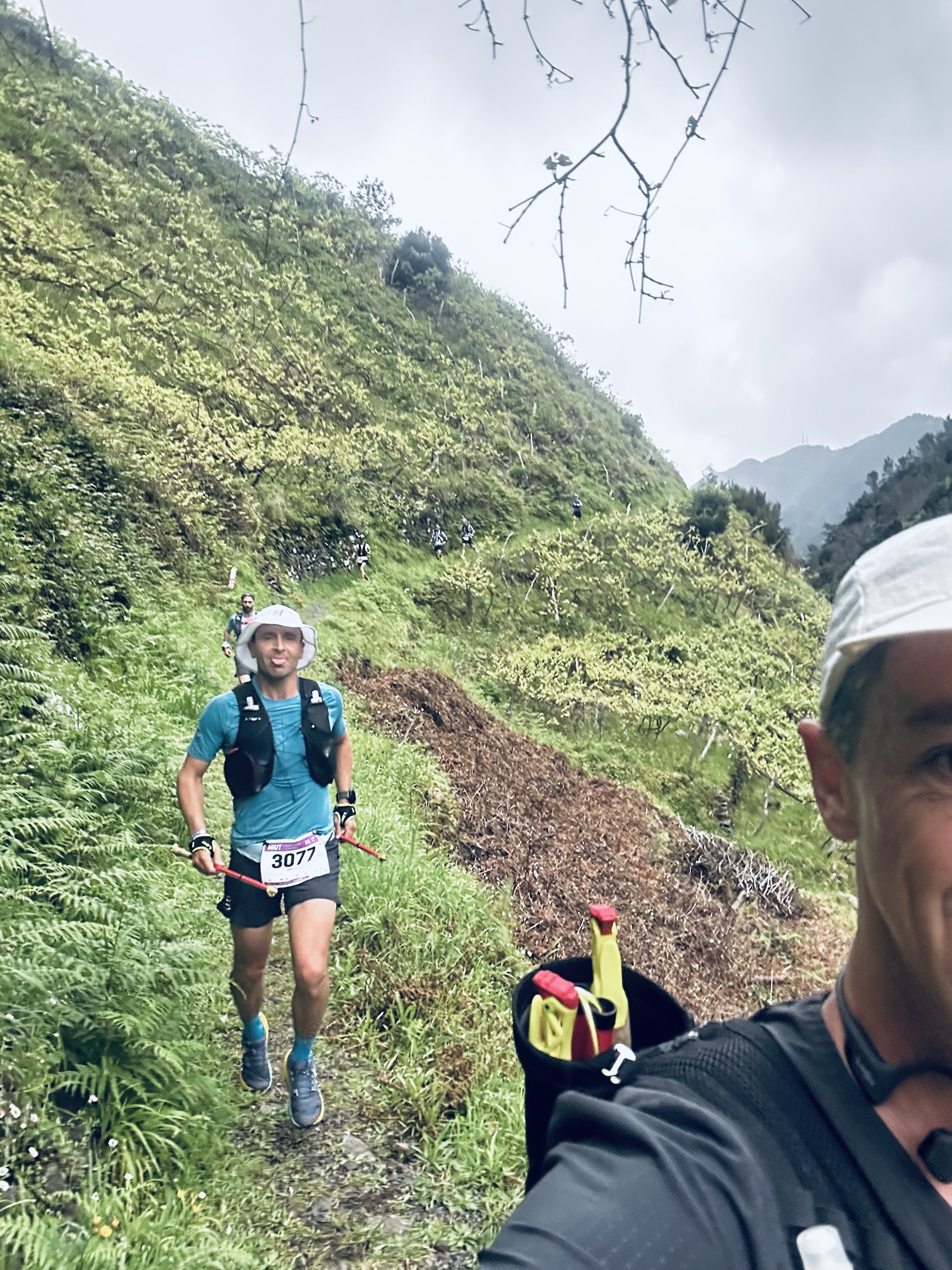
José Corrêa de Barros
Lisbon, 1983
Key Account Manager at Nestlé
https://www.strava.com/athletes/7329110
https://itra.run/RunnerSpace/correadebarros.josemaria.2603331
Main achievements:
1 x MIUT 115km, 1 x Andorra 120km, 2 x MIUT 85km, 1 x Ironman, 13 x Half Ironman
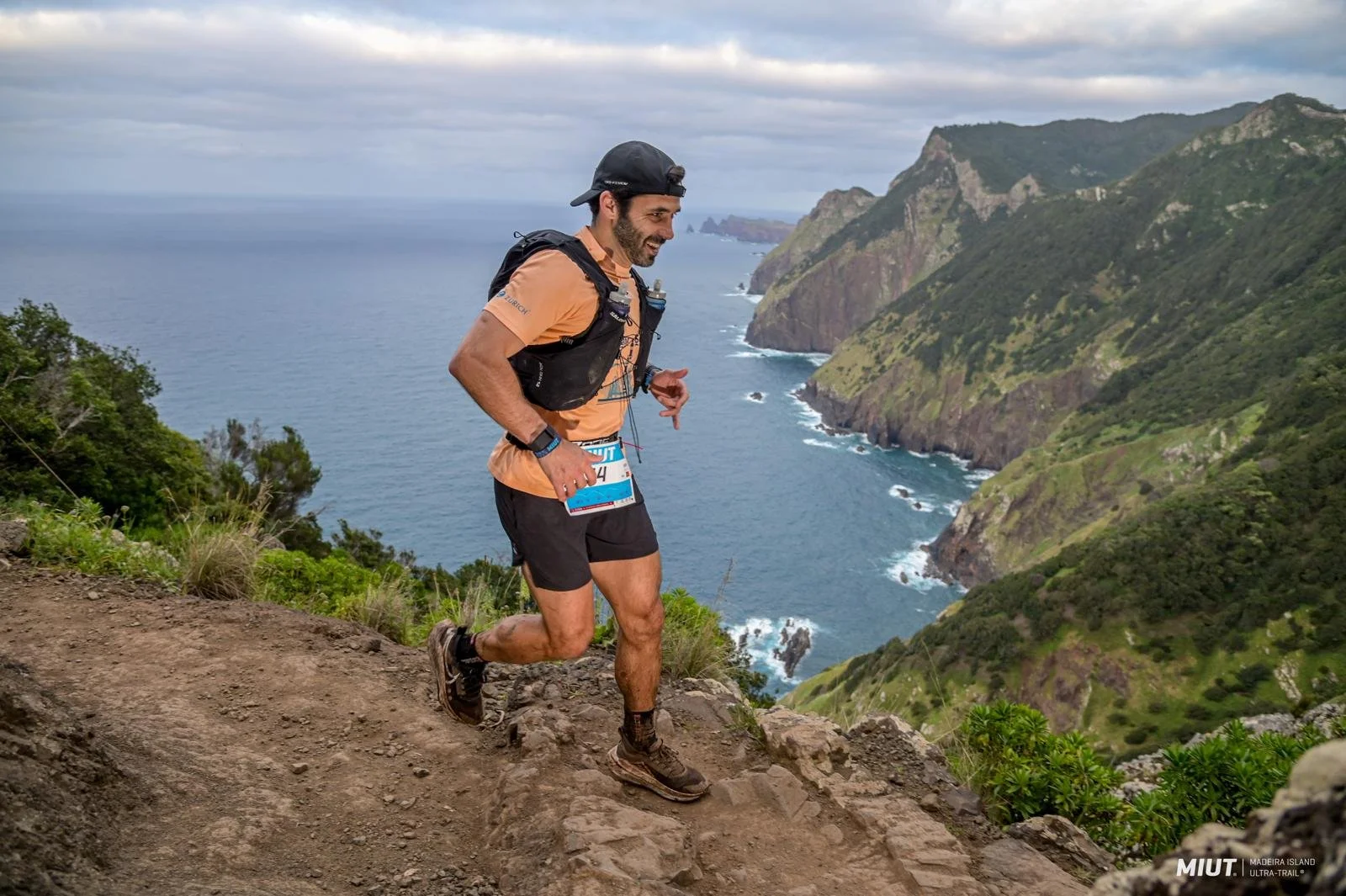
Diogo Soares Coelho
Lisbon, 1983
Partner and VP Strategy & Operations at Republica45.com
https://www.instagram.com/dscoelhone/
https://www.strava.com/athletes/94199483
https://itra.run/RunnerSpace/coelho.diogo.5865058
Main achievements:
1 x MIUT 90km, 2 × 50k ultra races, 5 x Marathon Sub 3
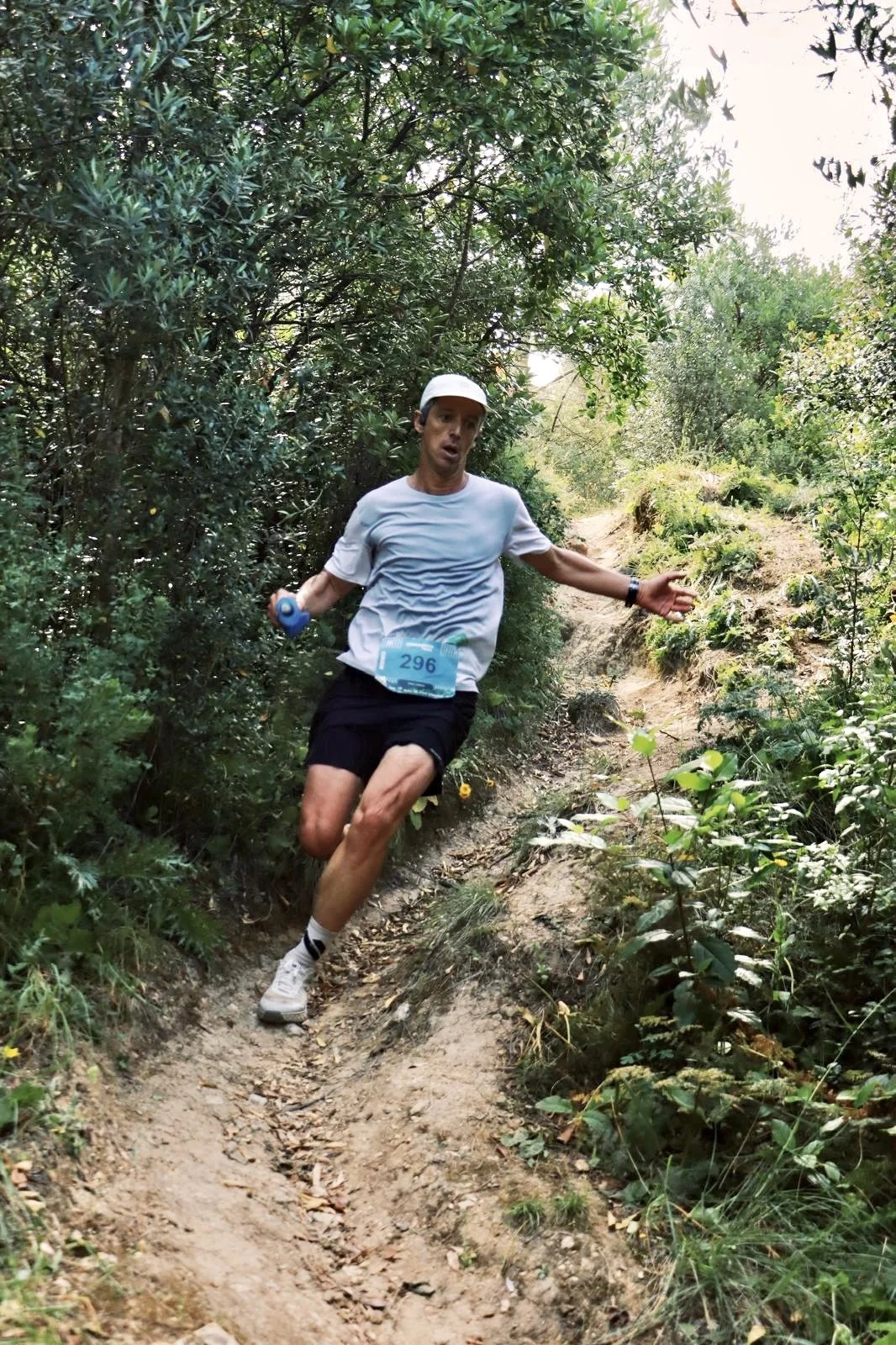
Pedro Fernandes Homem
Lisbon, 1985
Architect CEO and co-founder at phdd.pt
https://www.instagram.com/phomem/
https://www.strava.com/athletes/39796748
https://itra.run/RunnerSpace/homem.pedro.6271926
Main achievements:
1 x MIUT 60k, 1 x Ironman, 6 x Half Ironman, 3 x Olympic Triathlon
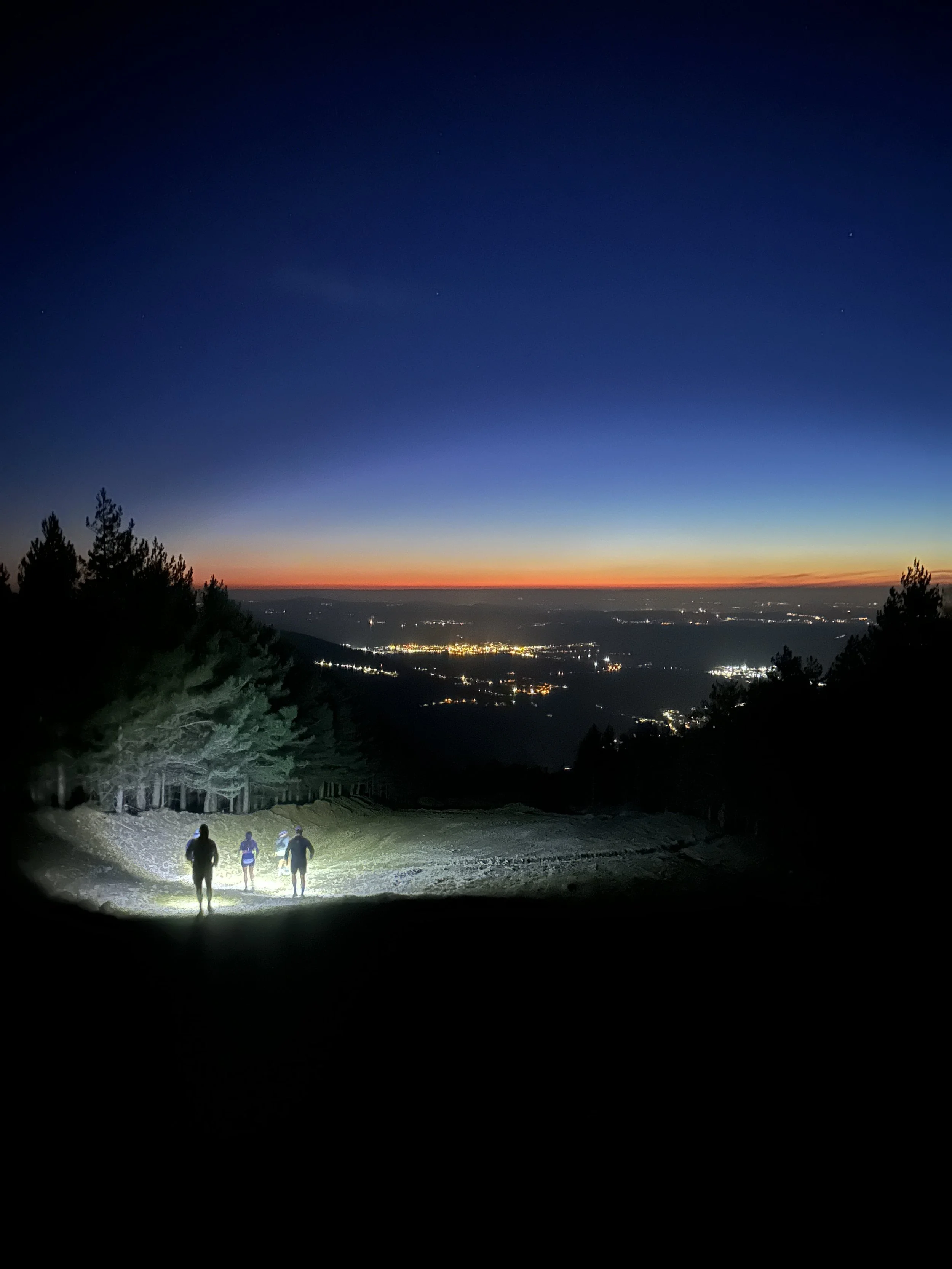
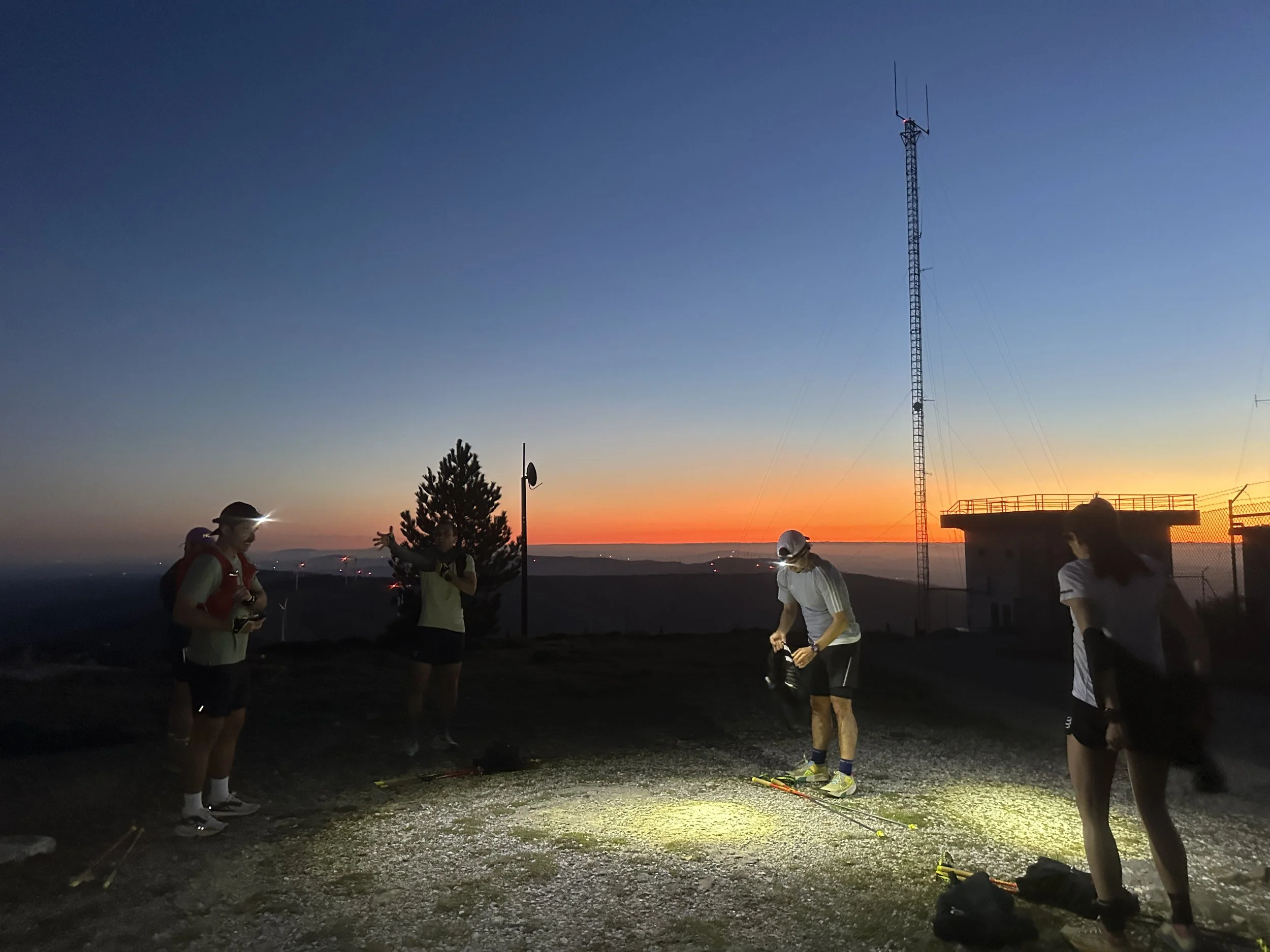
6am : The Last Sole
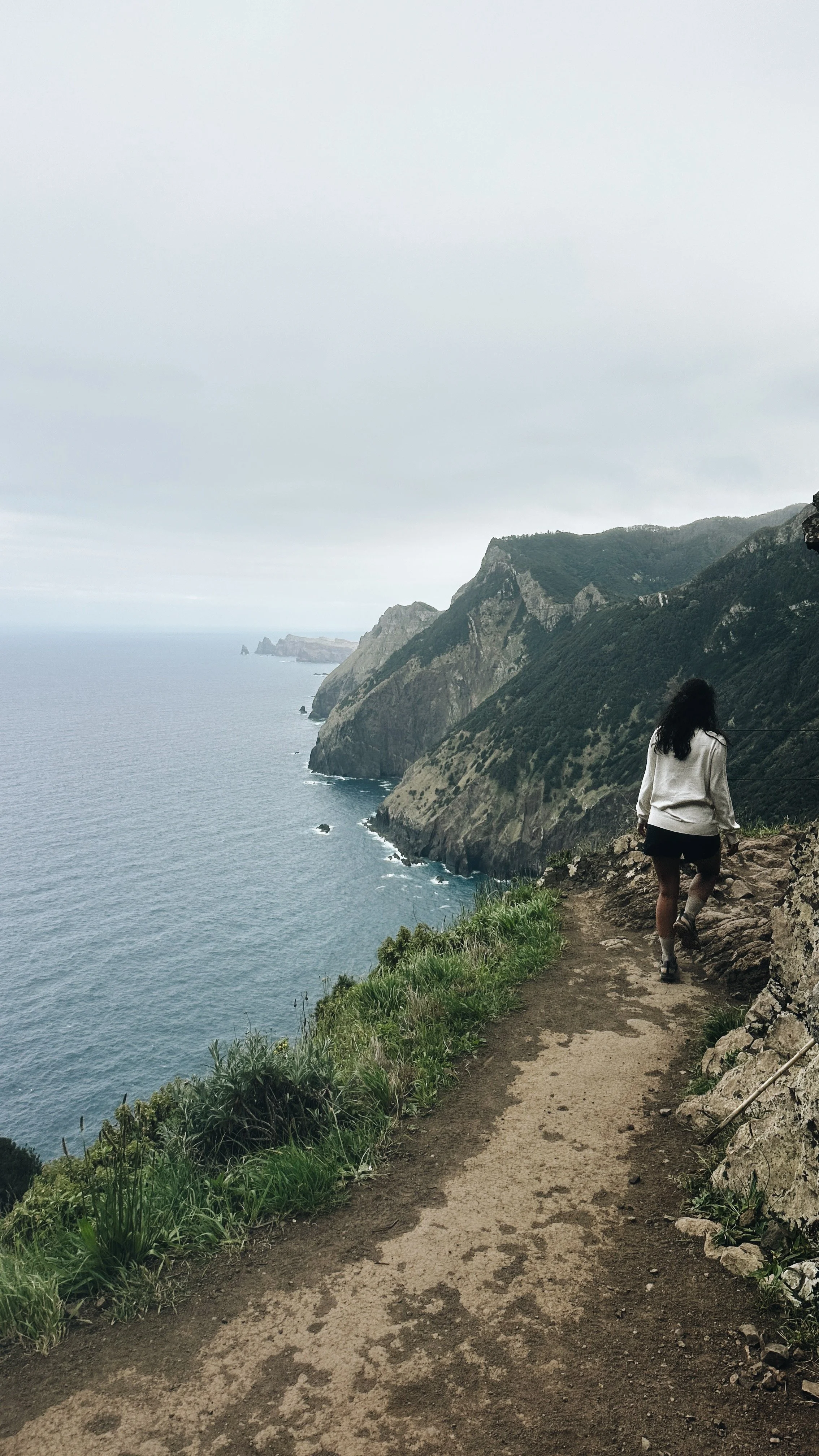
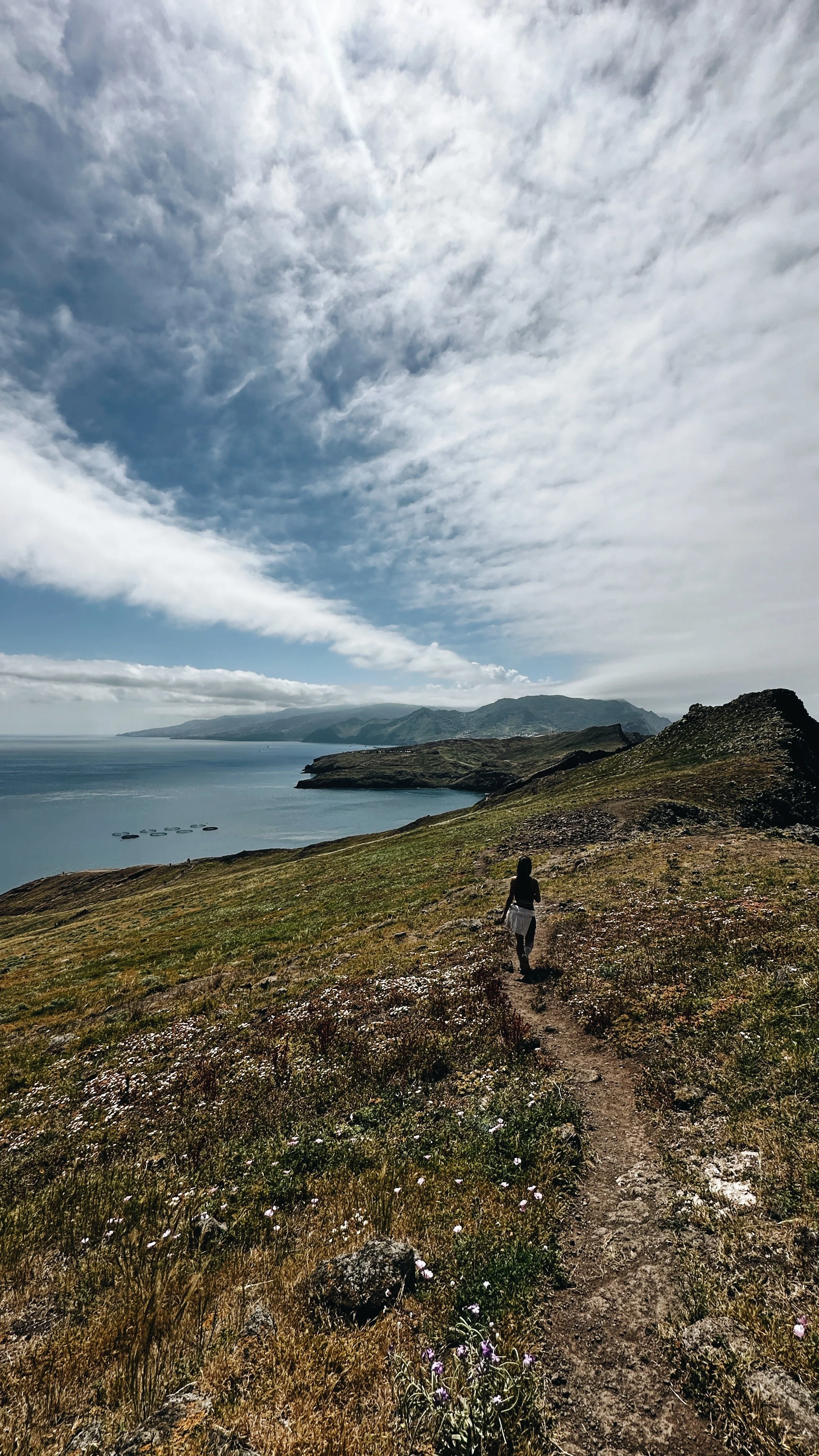
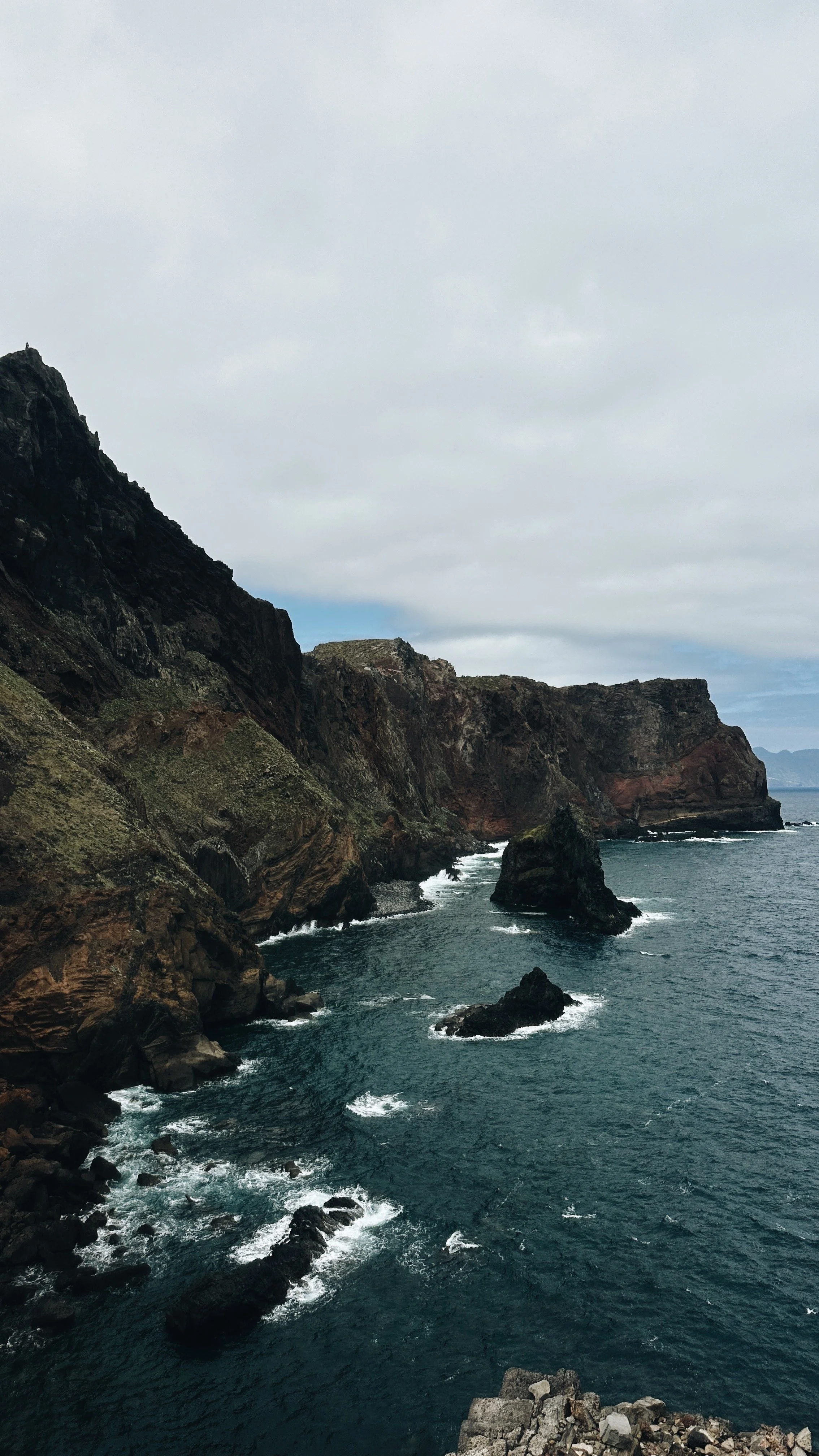
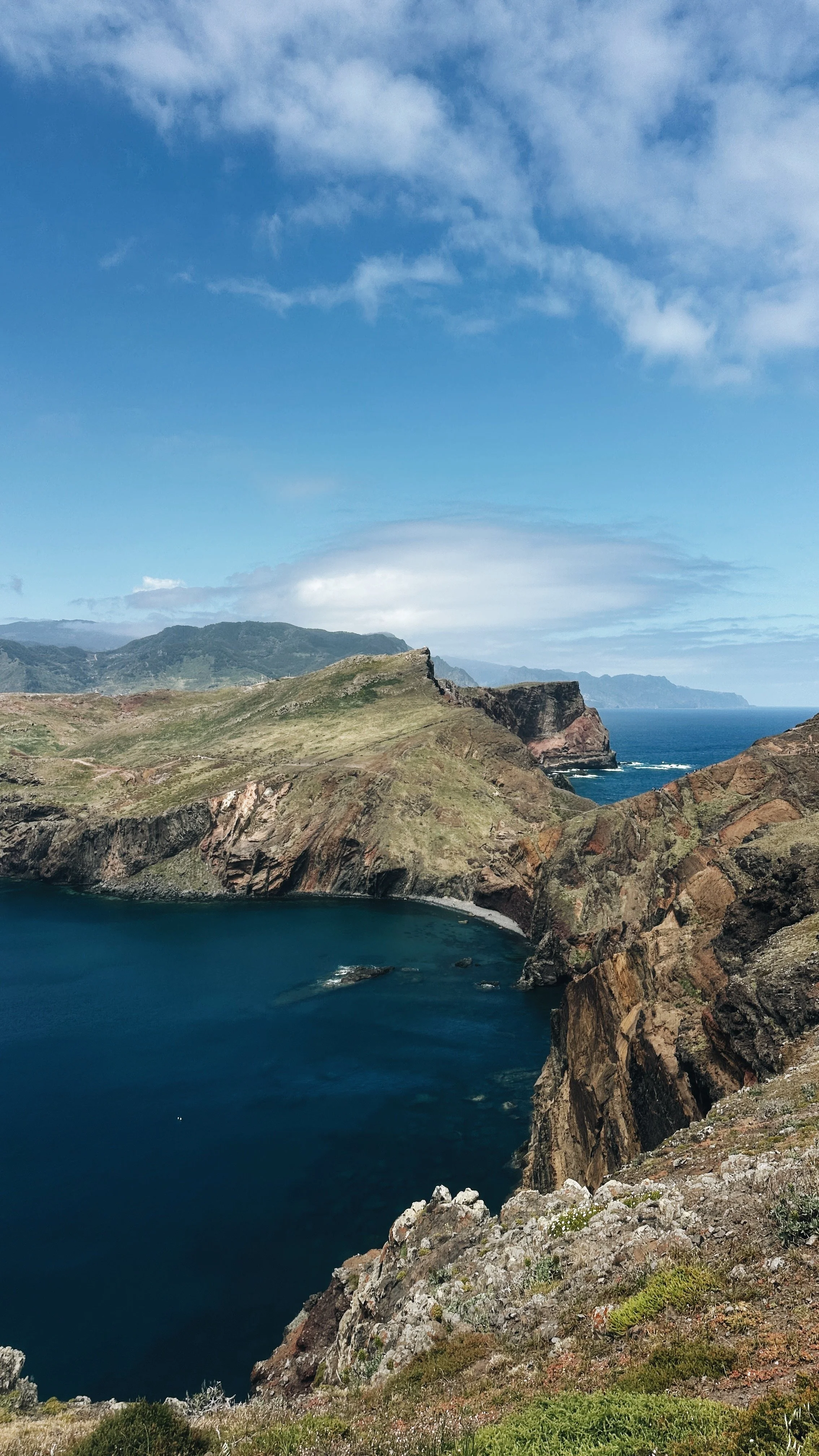
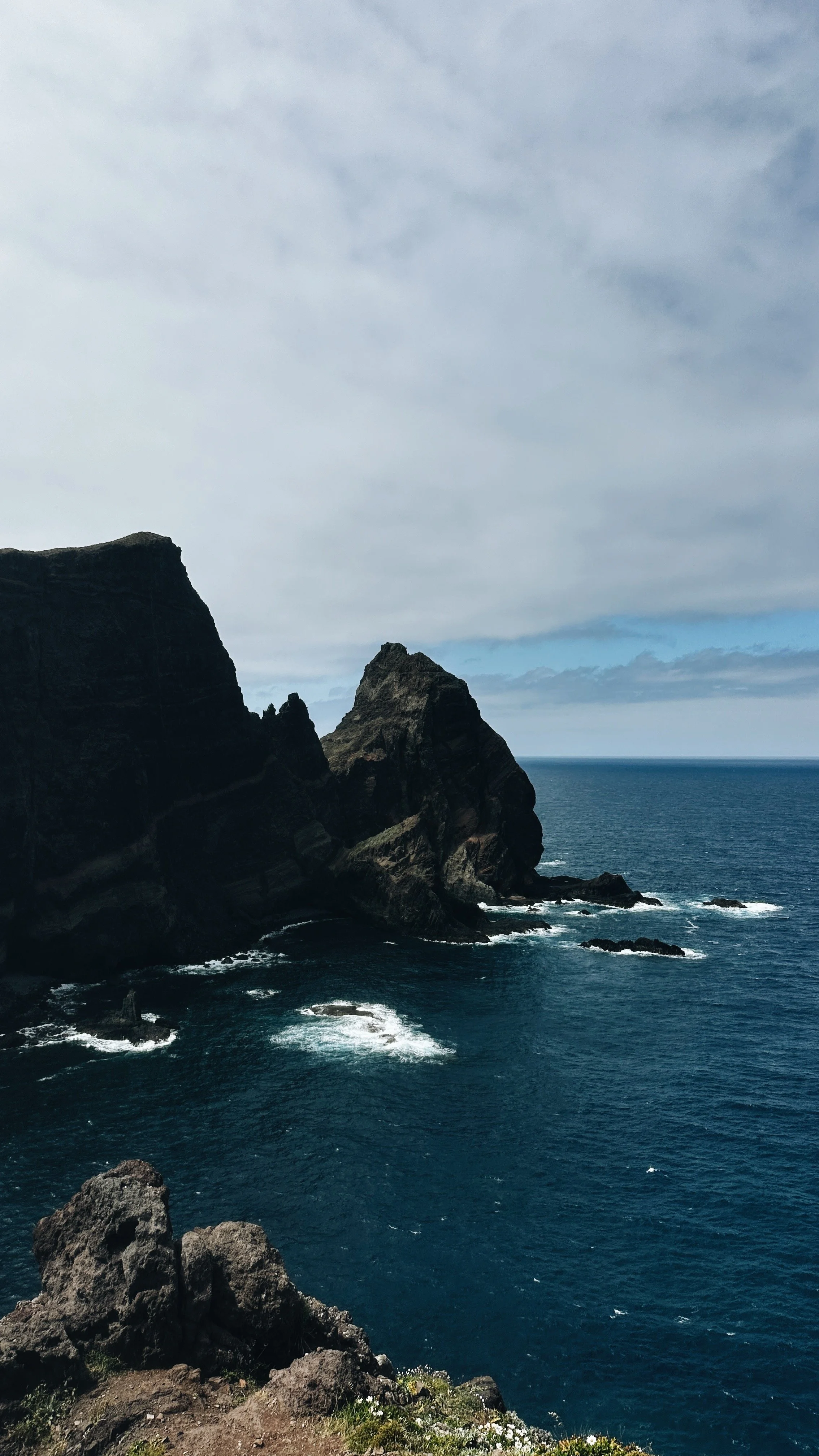
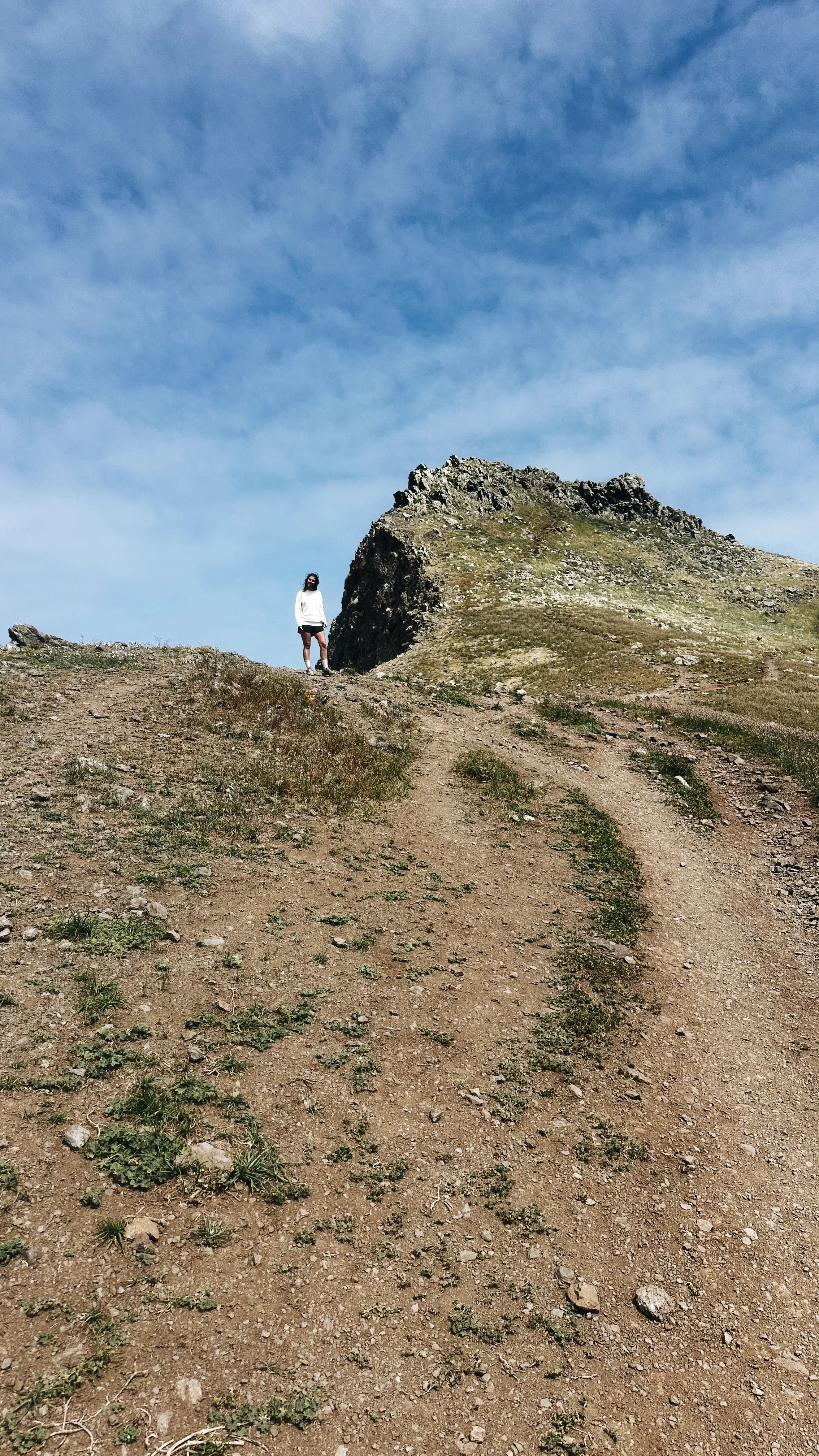
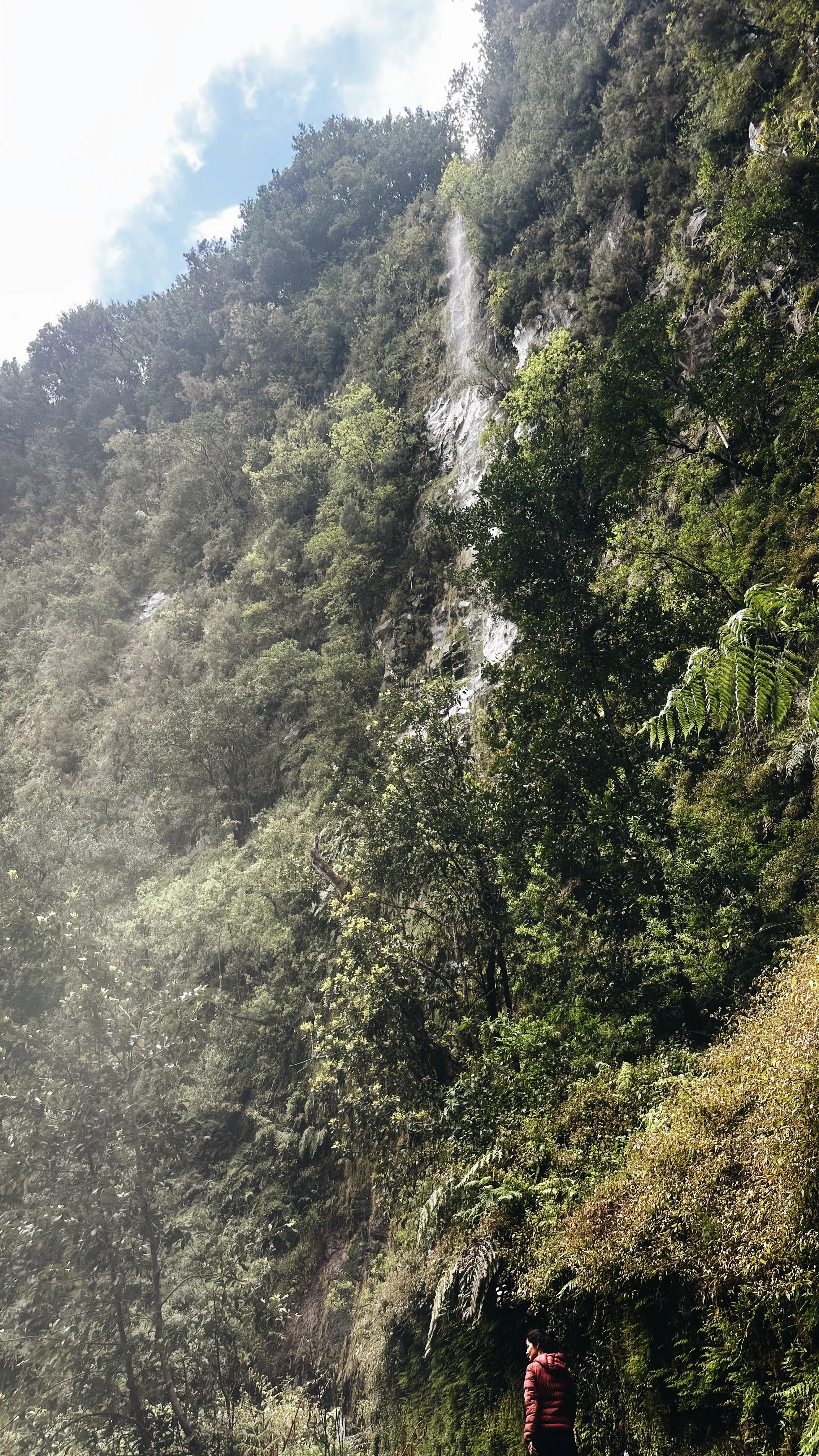
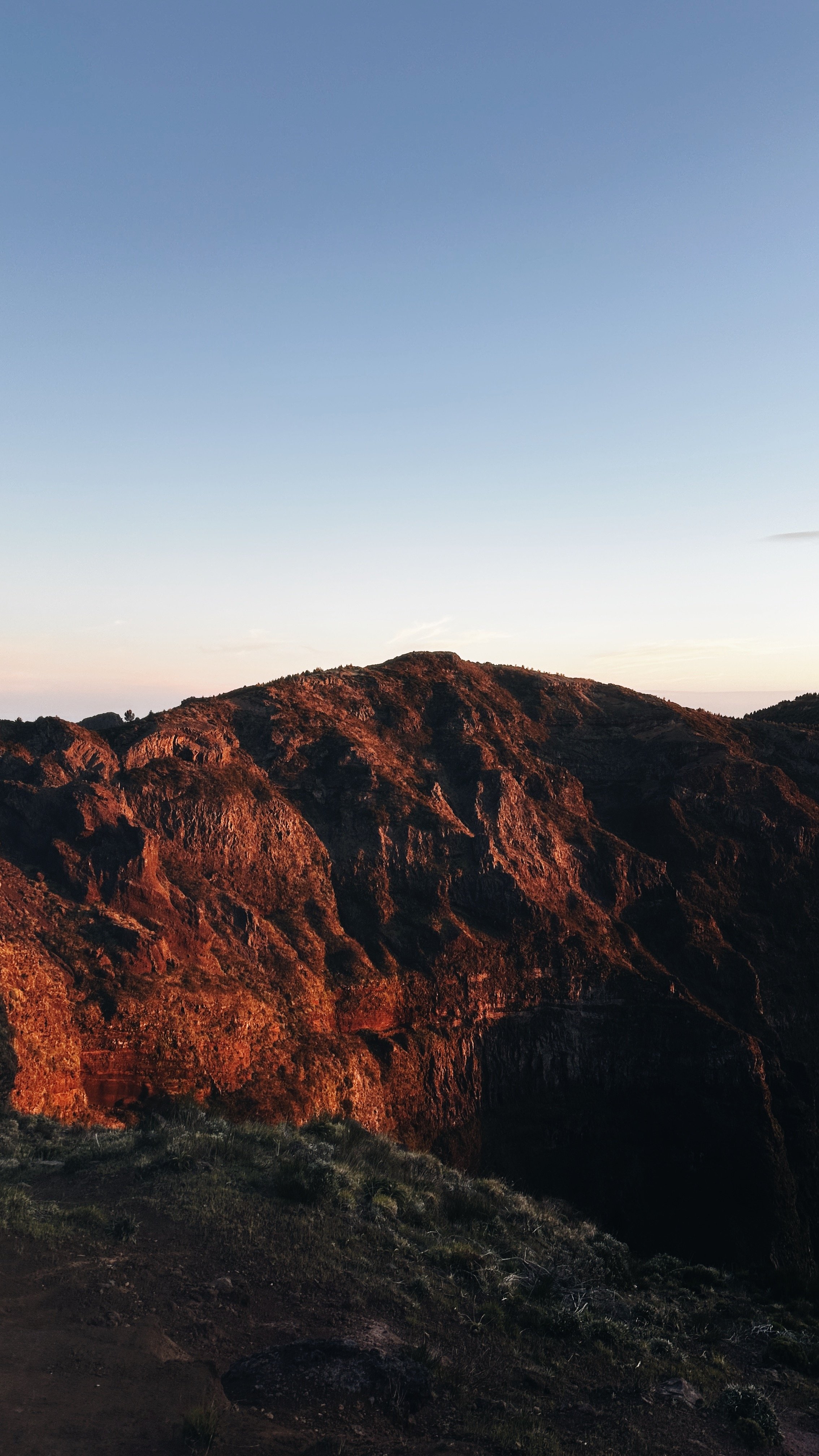
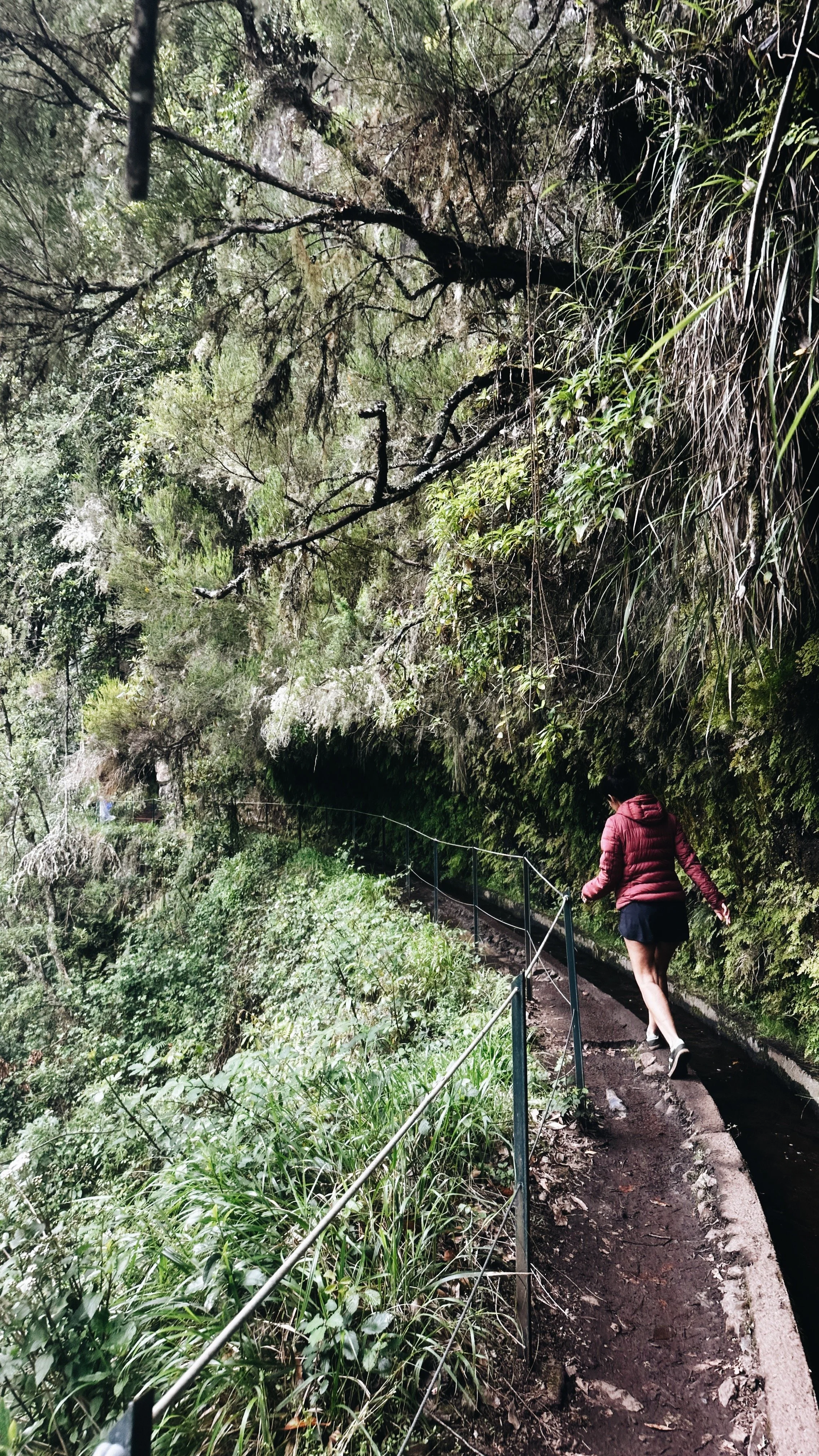
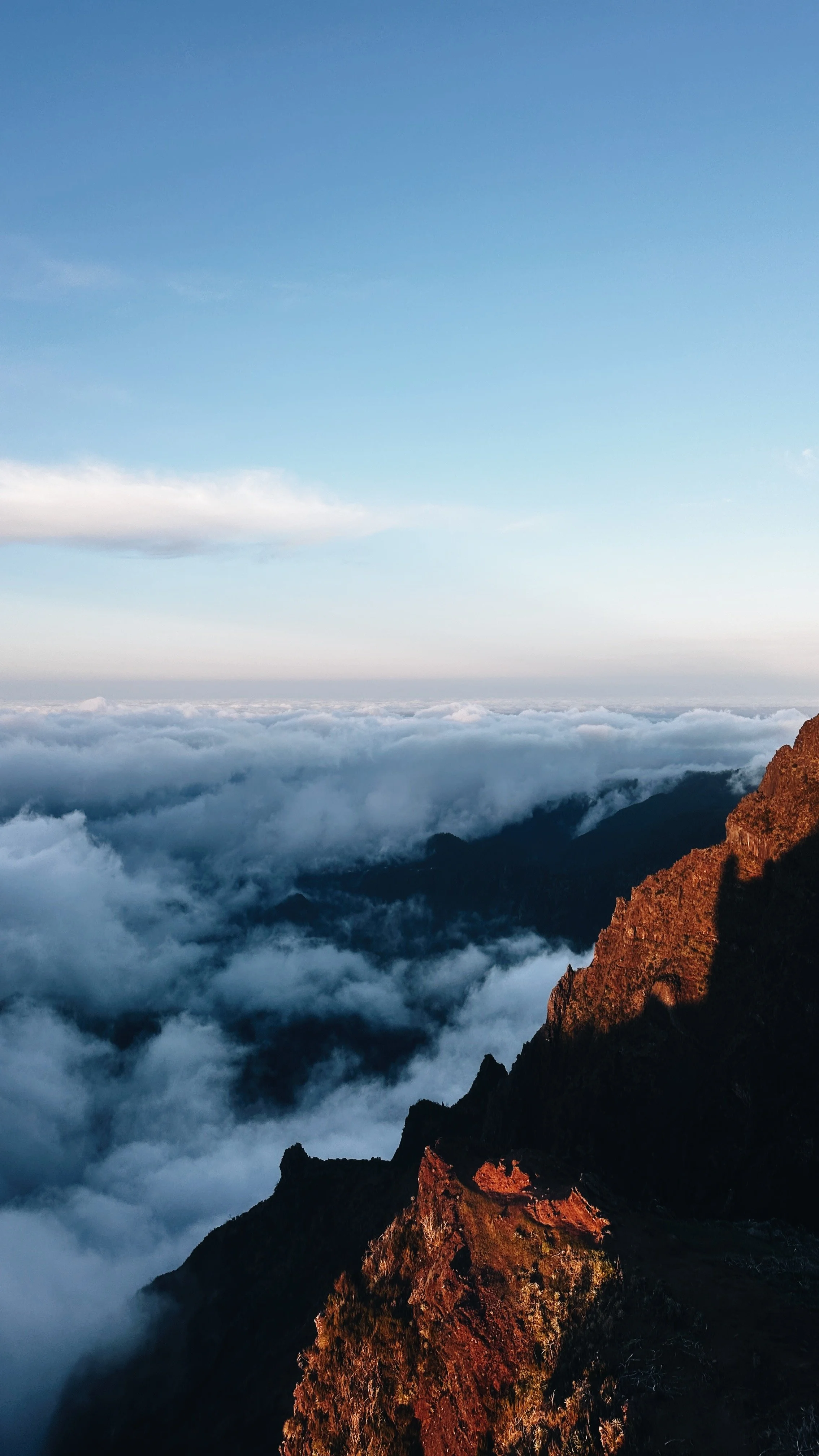
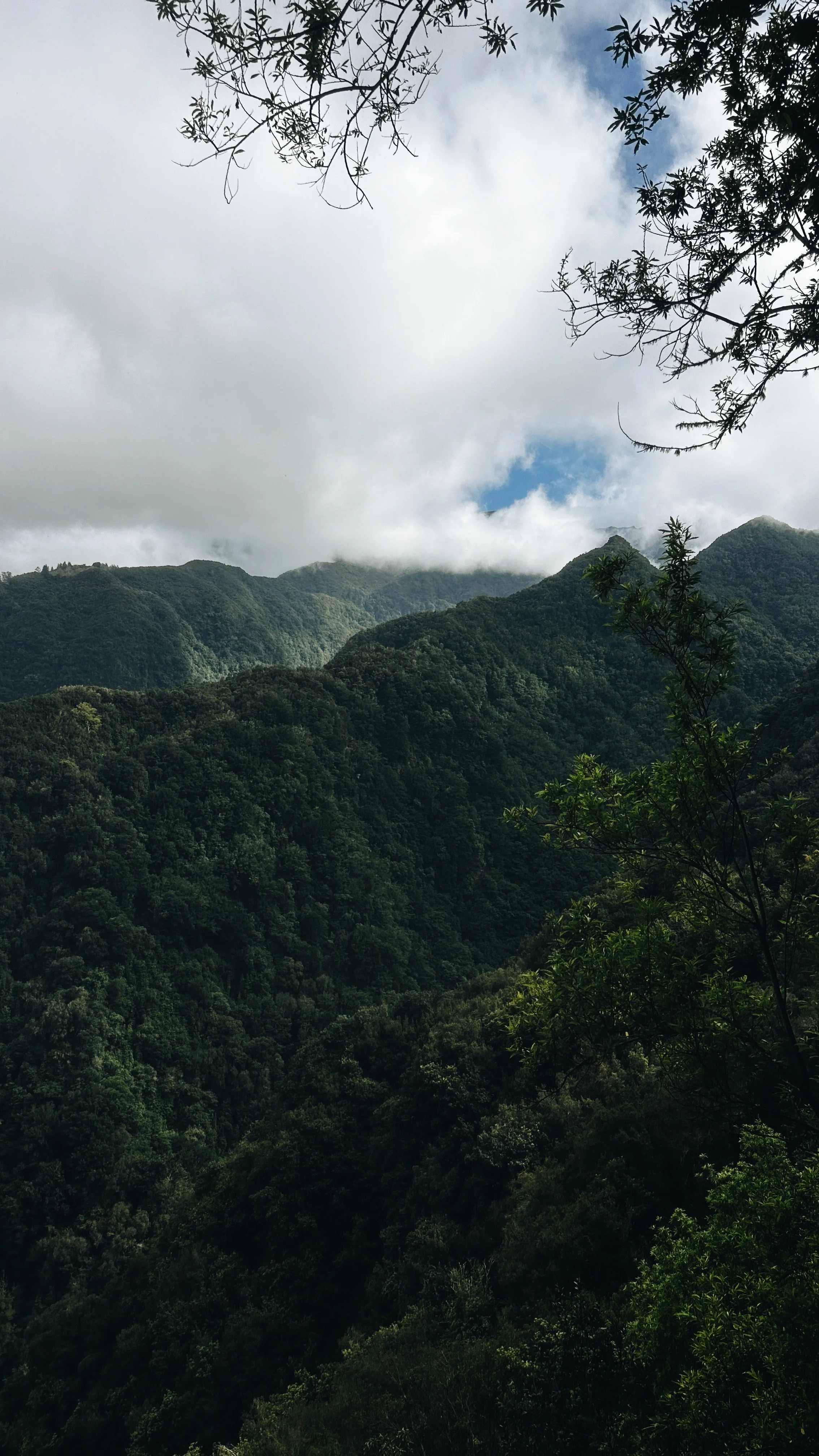
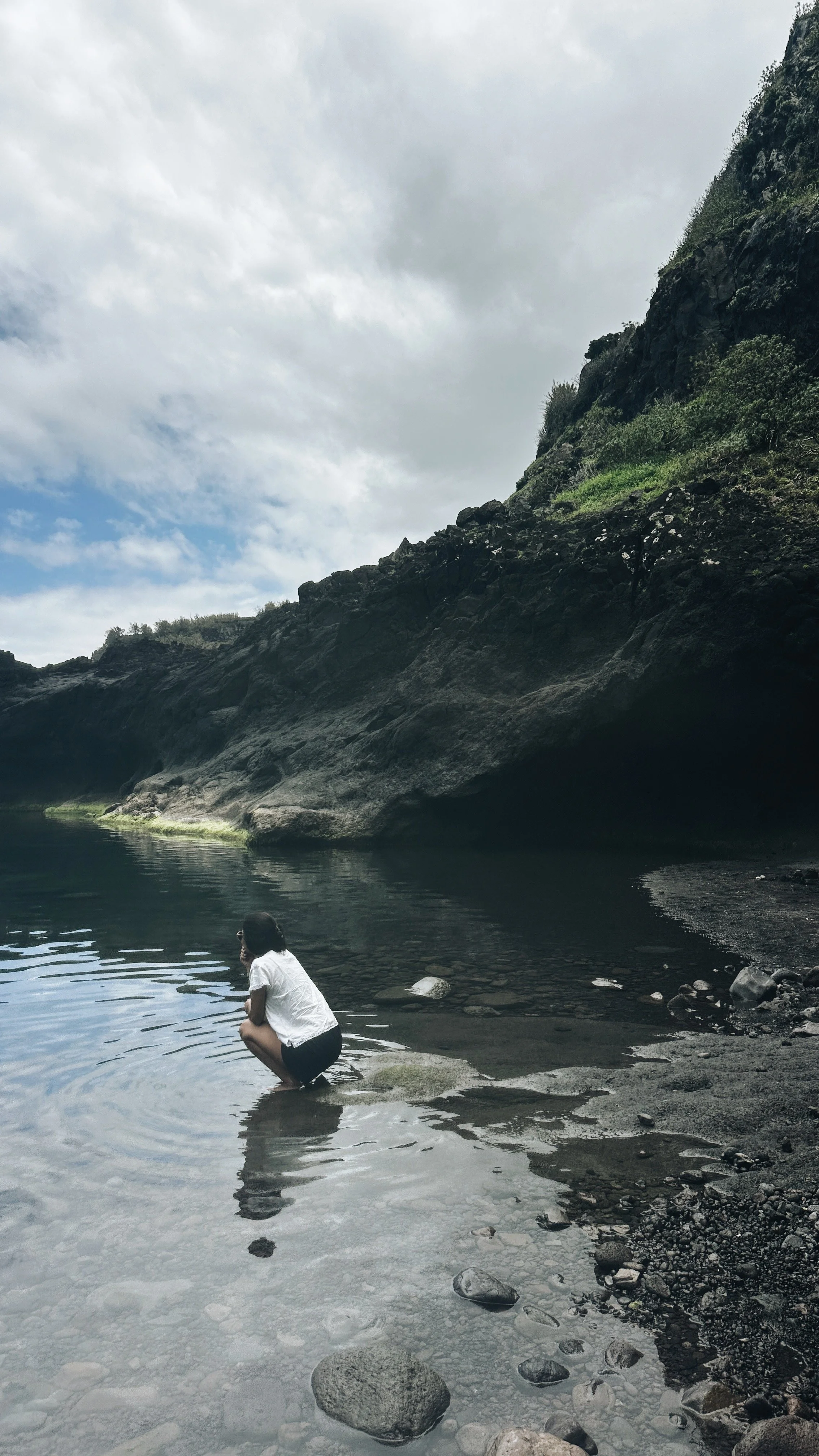
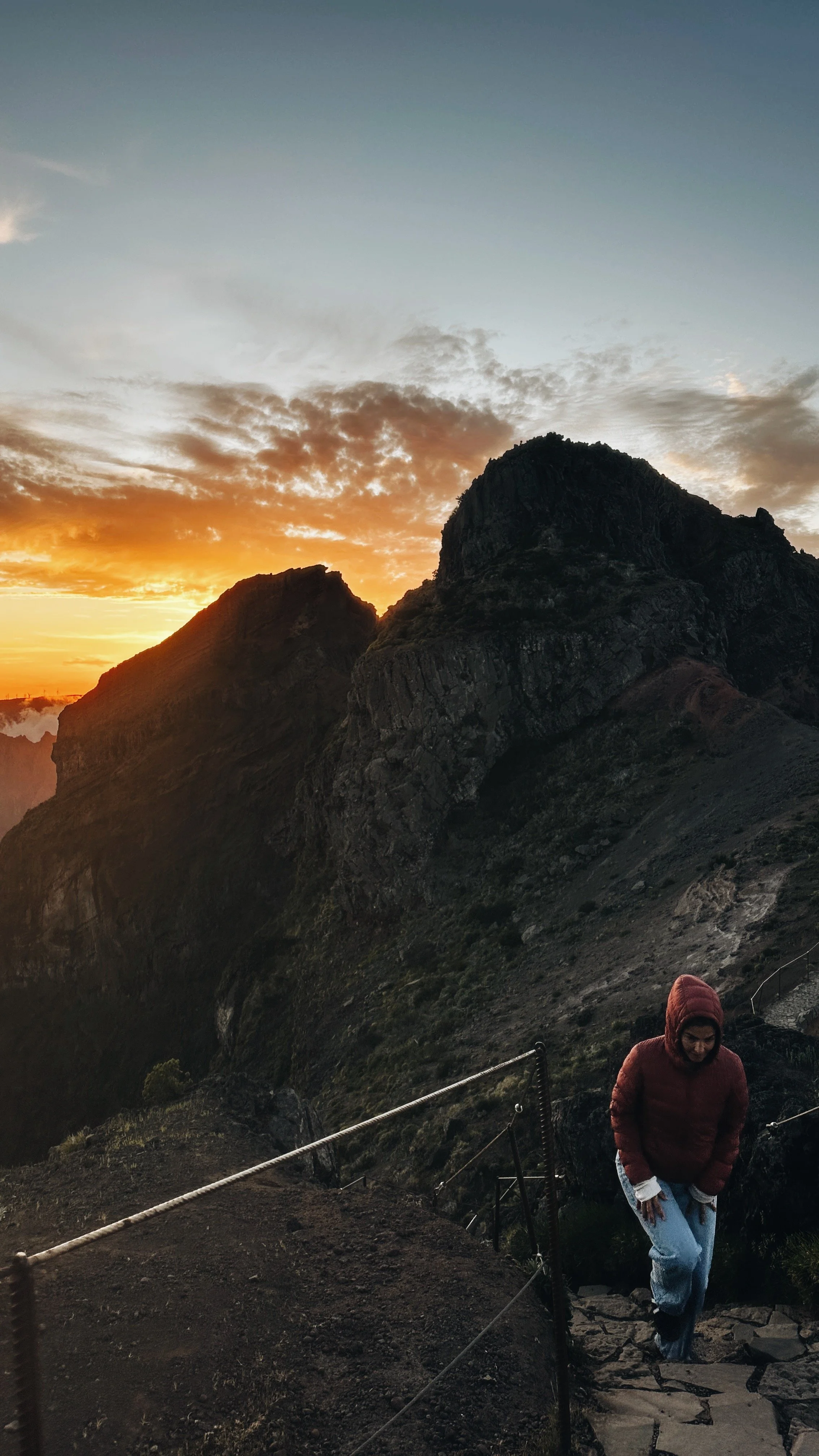
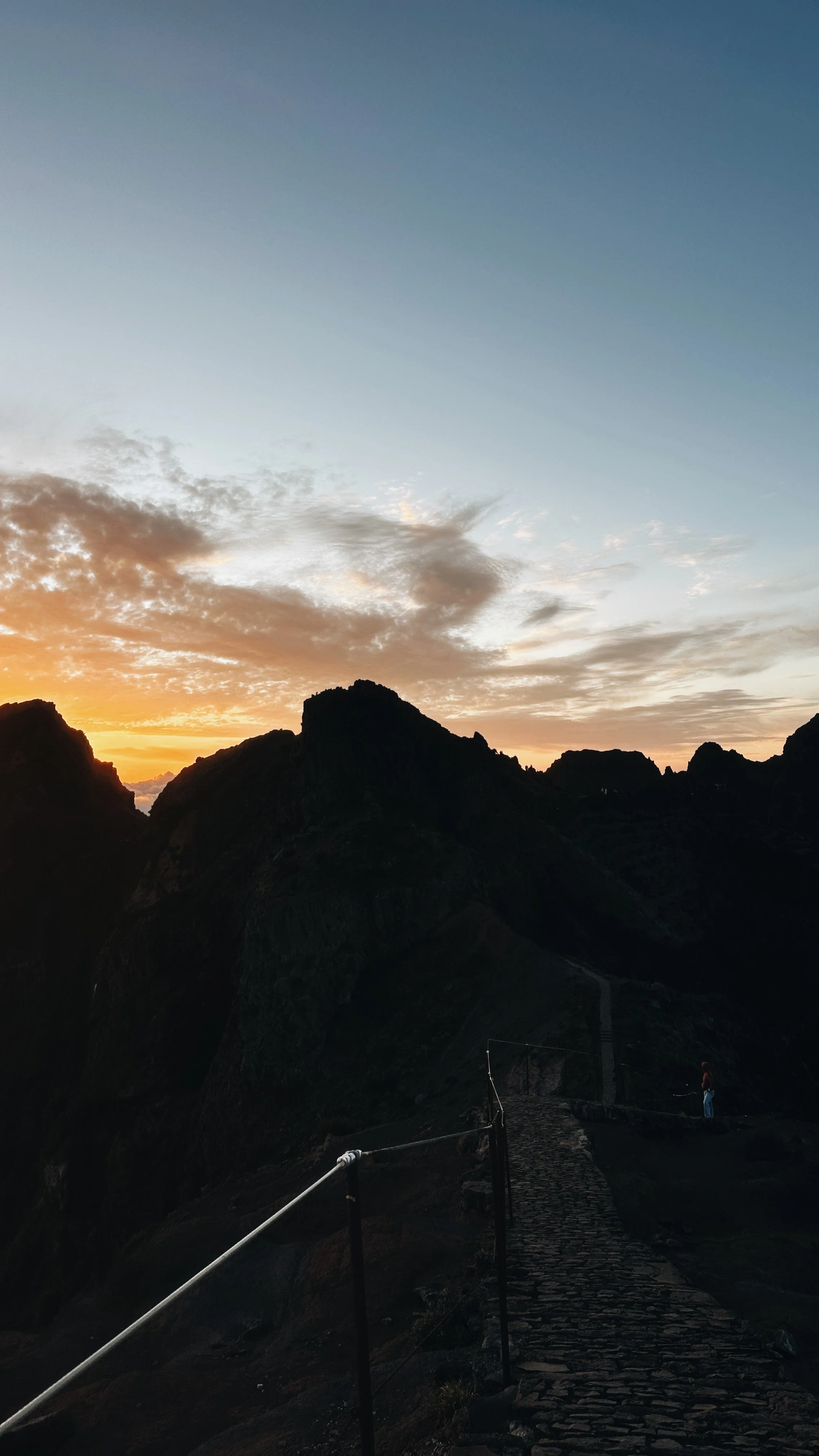
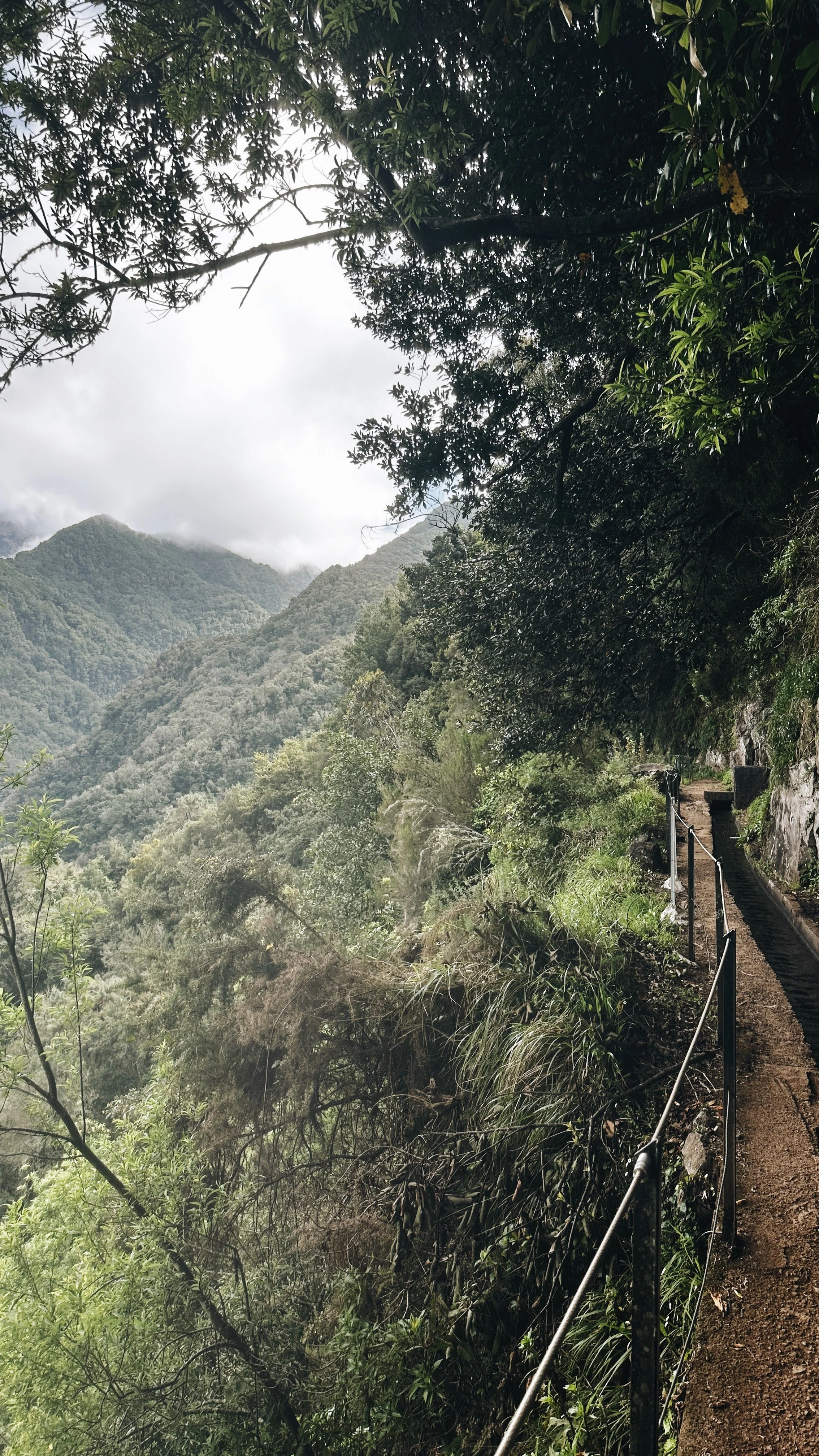
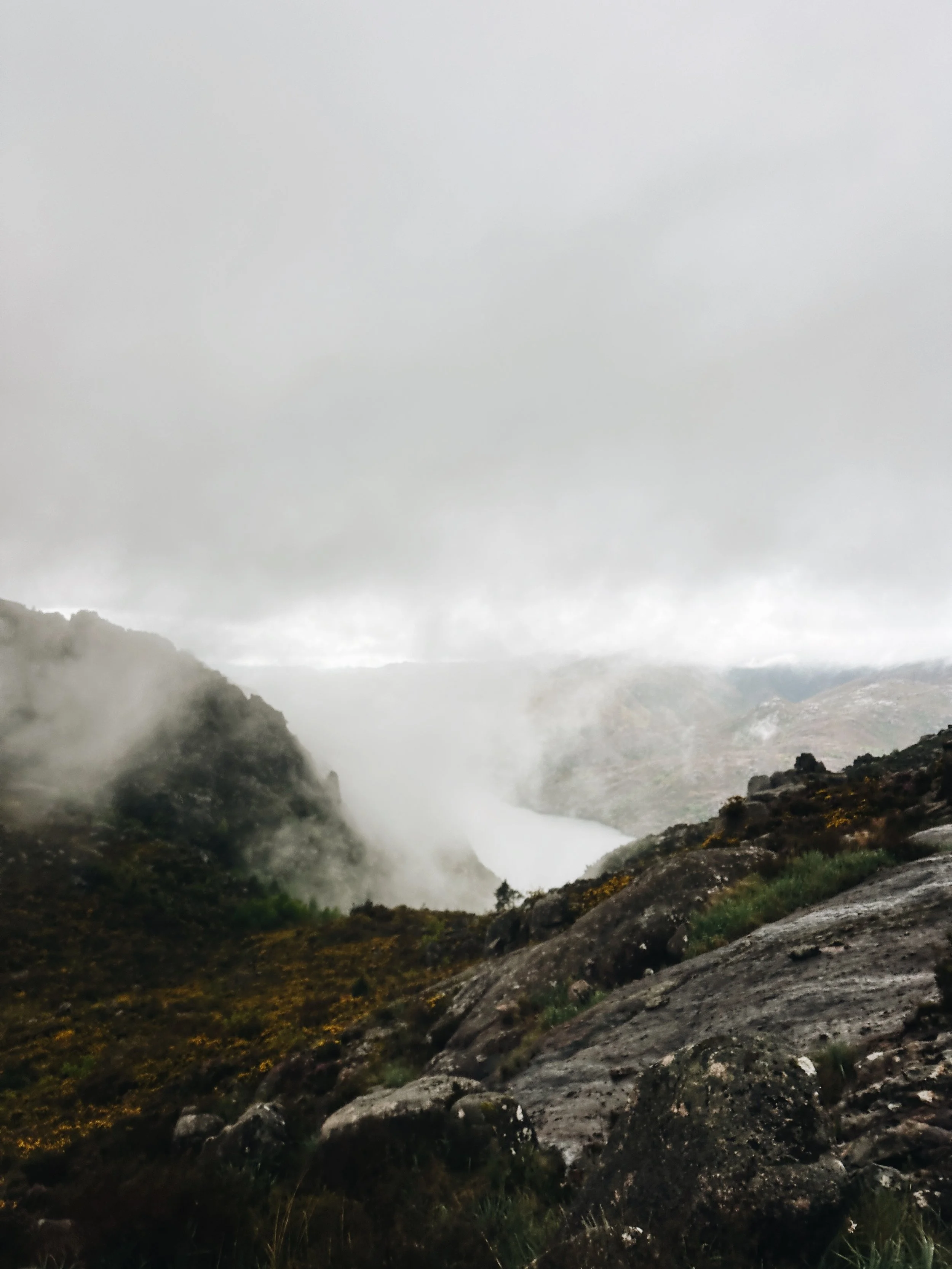
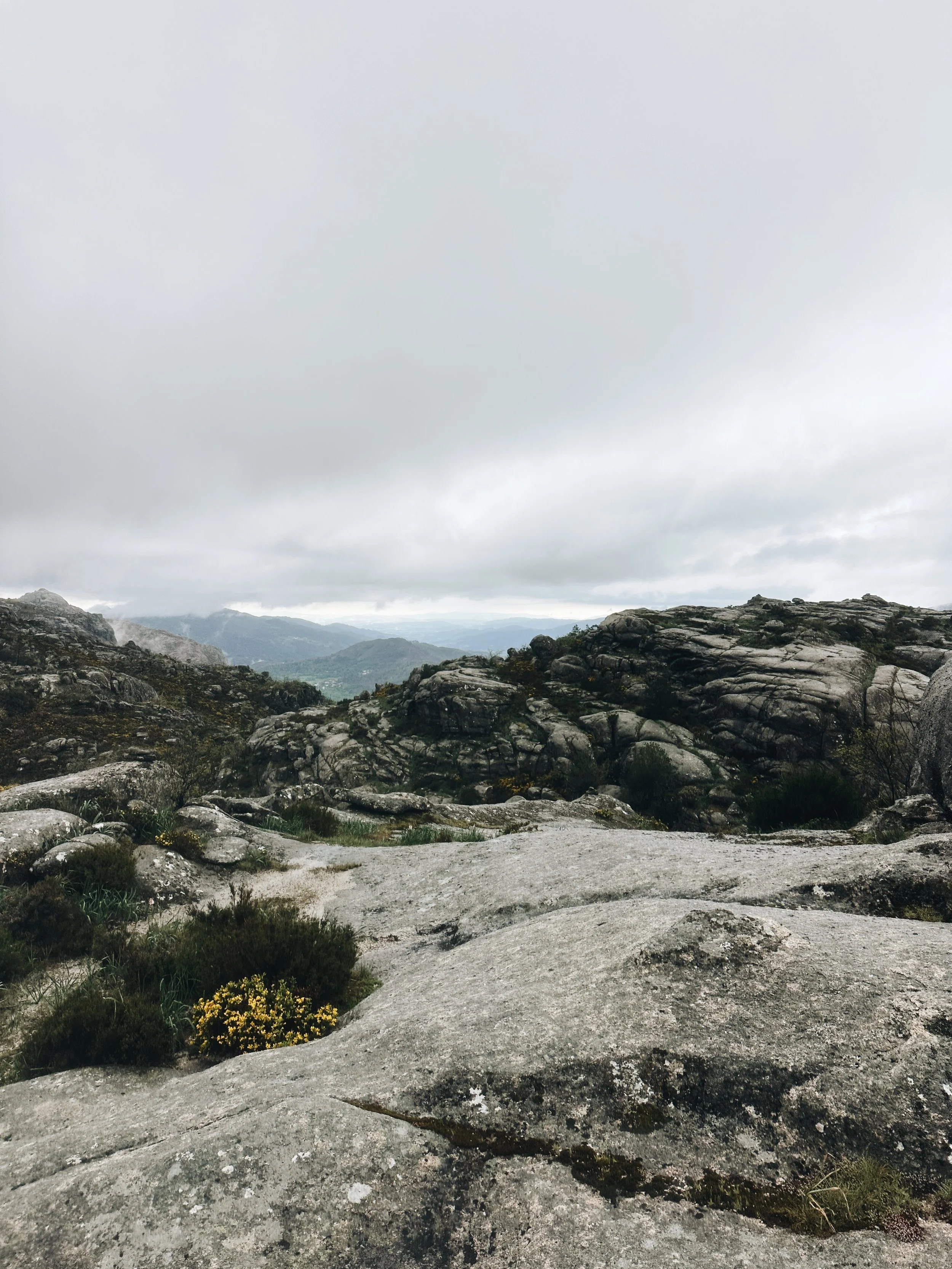
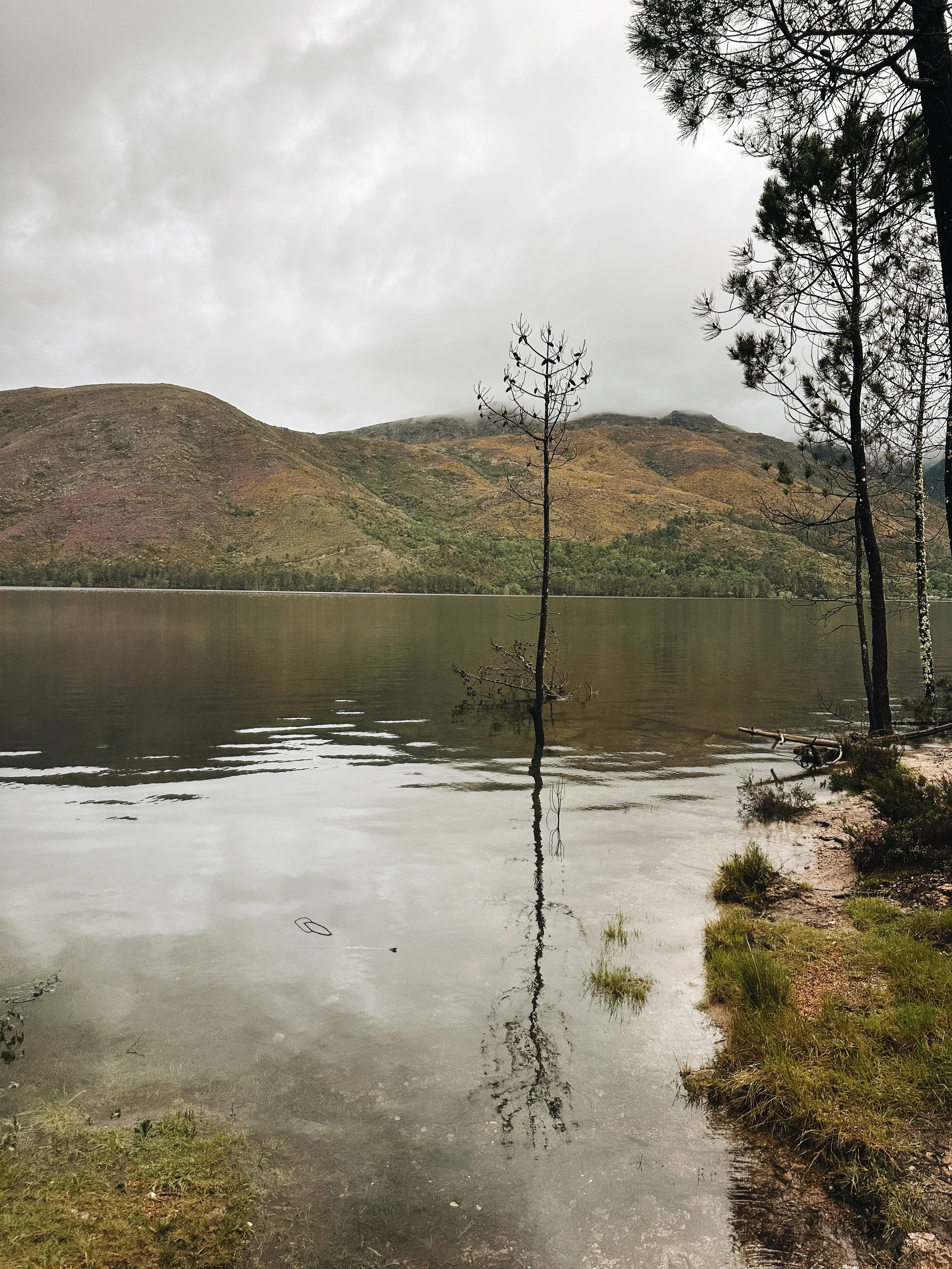
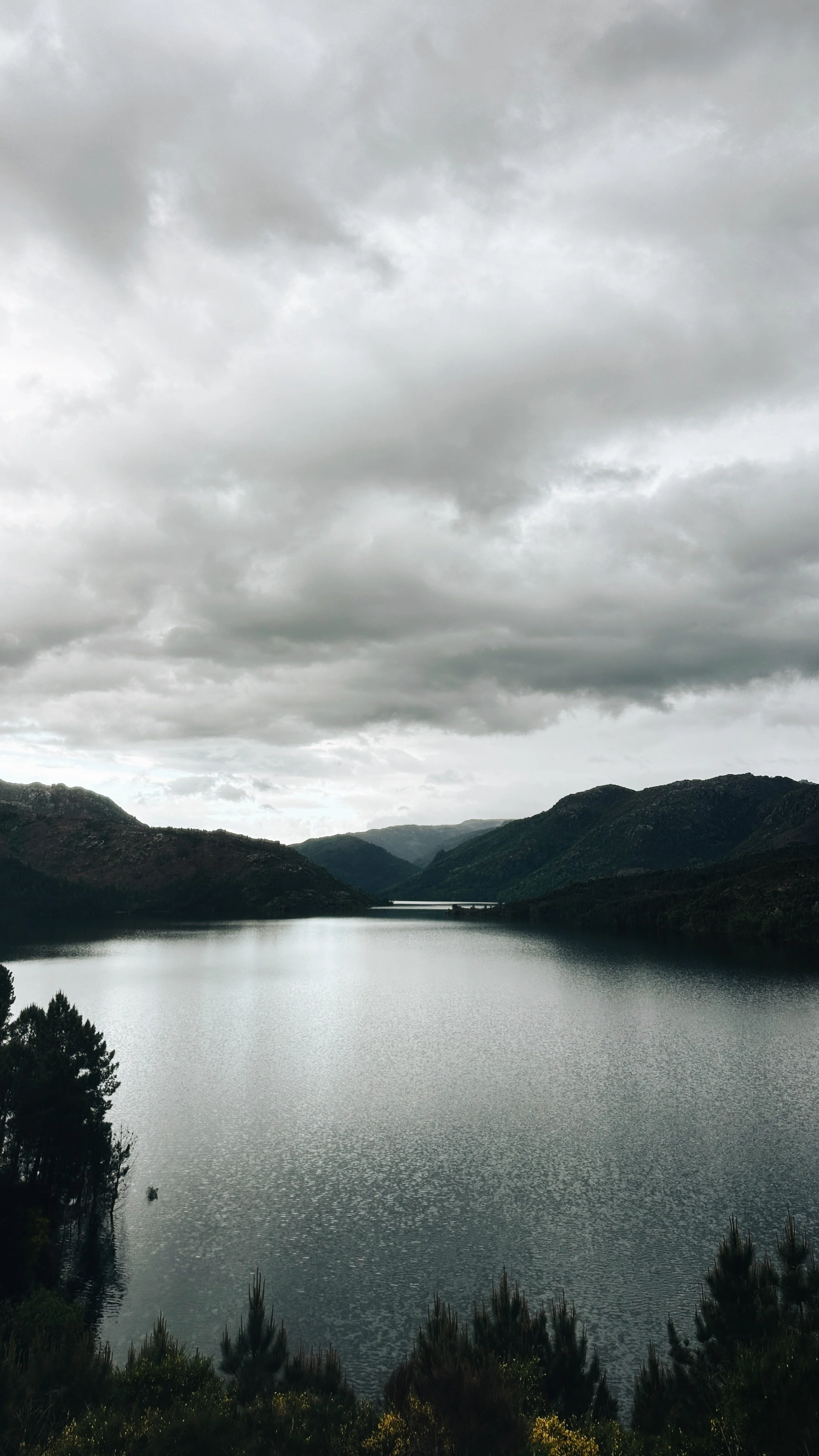
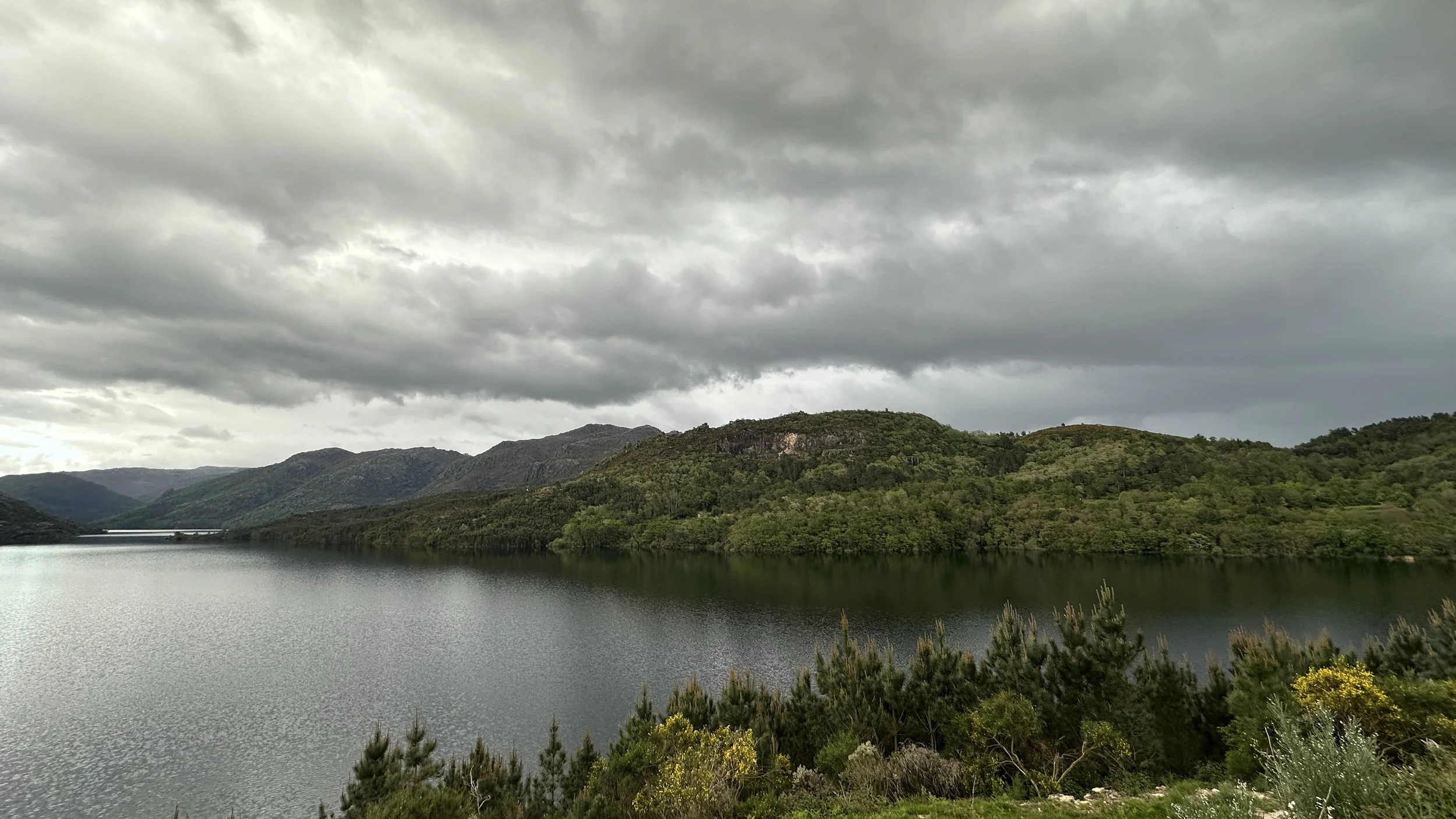
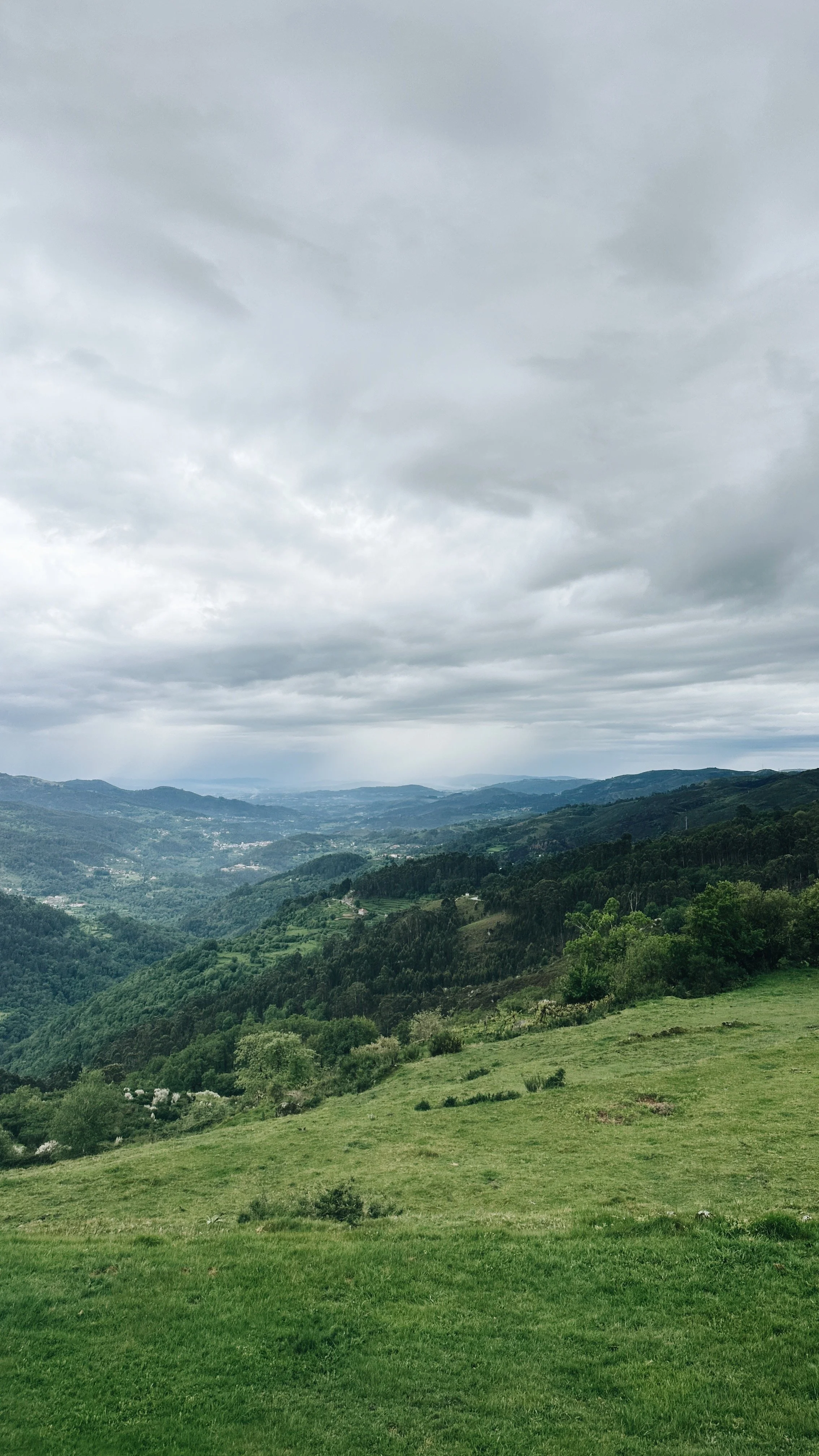
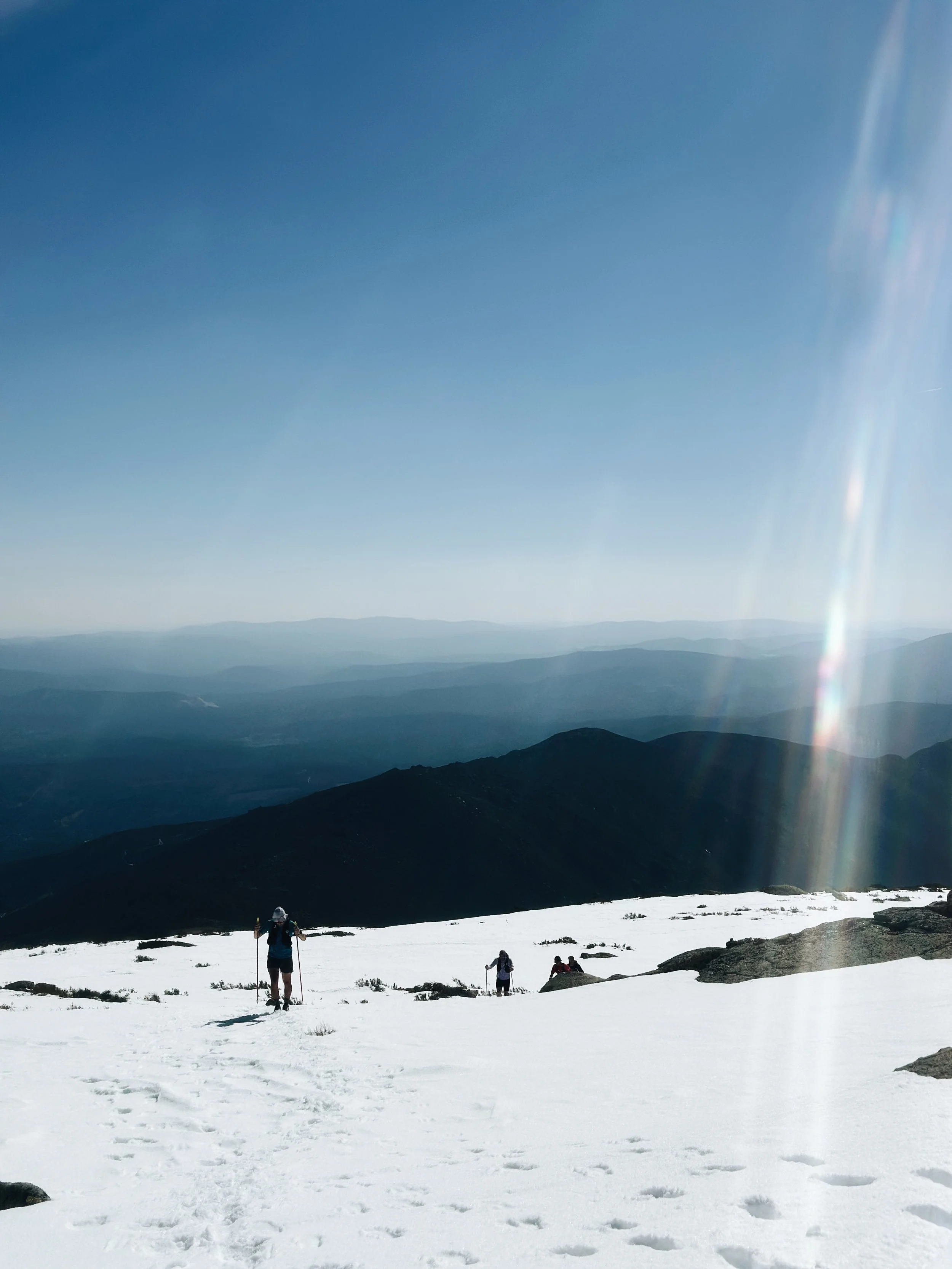
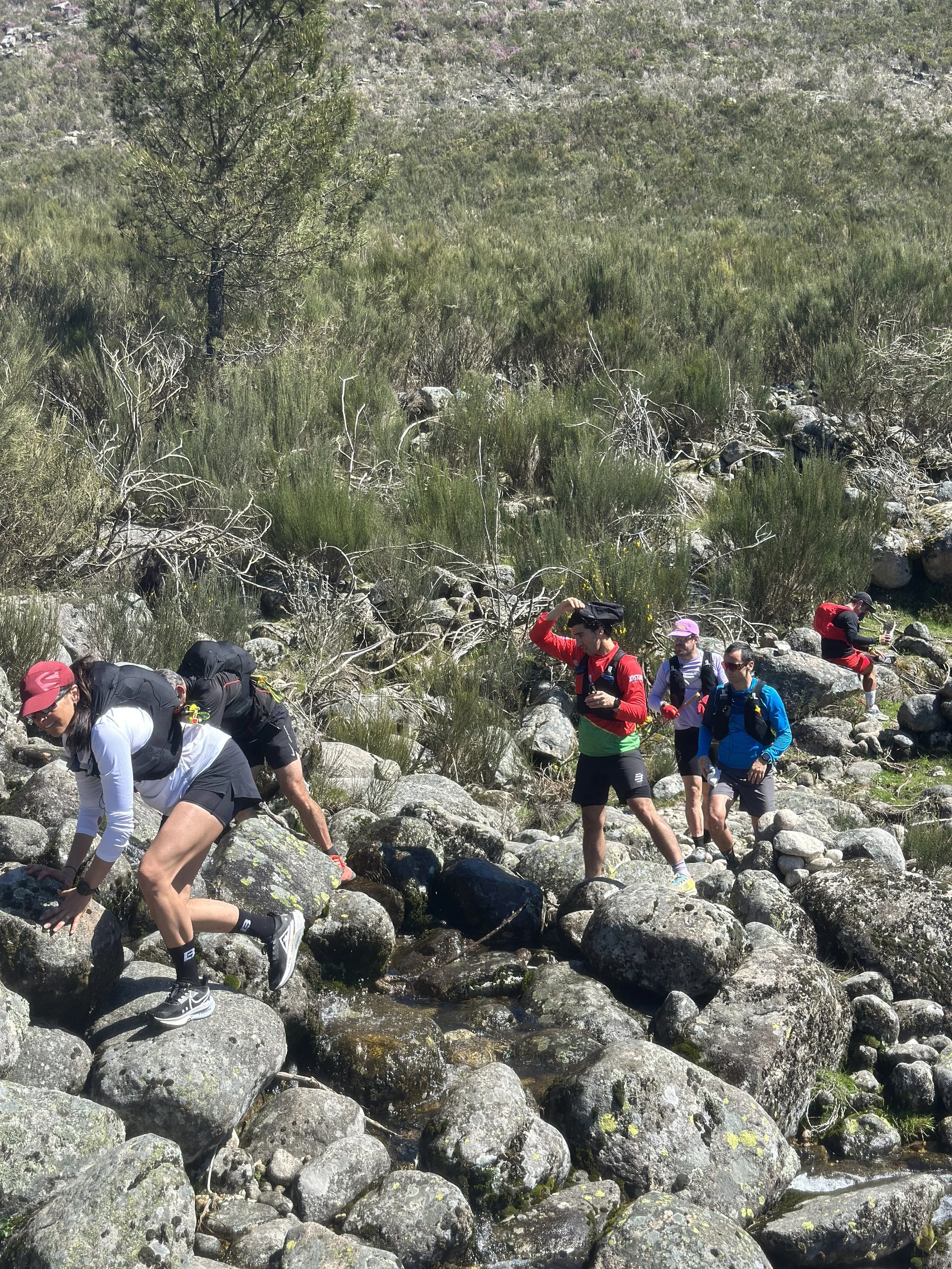
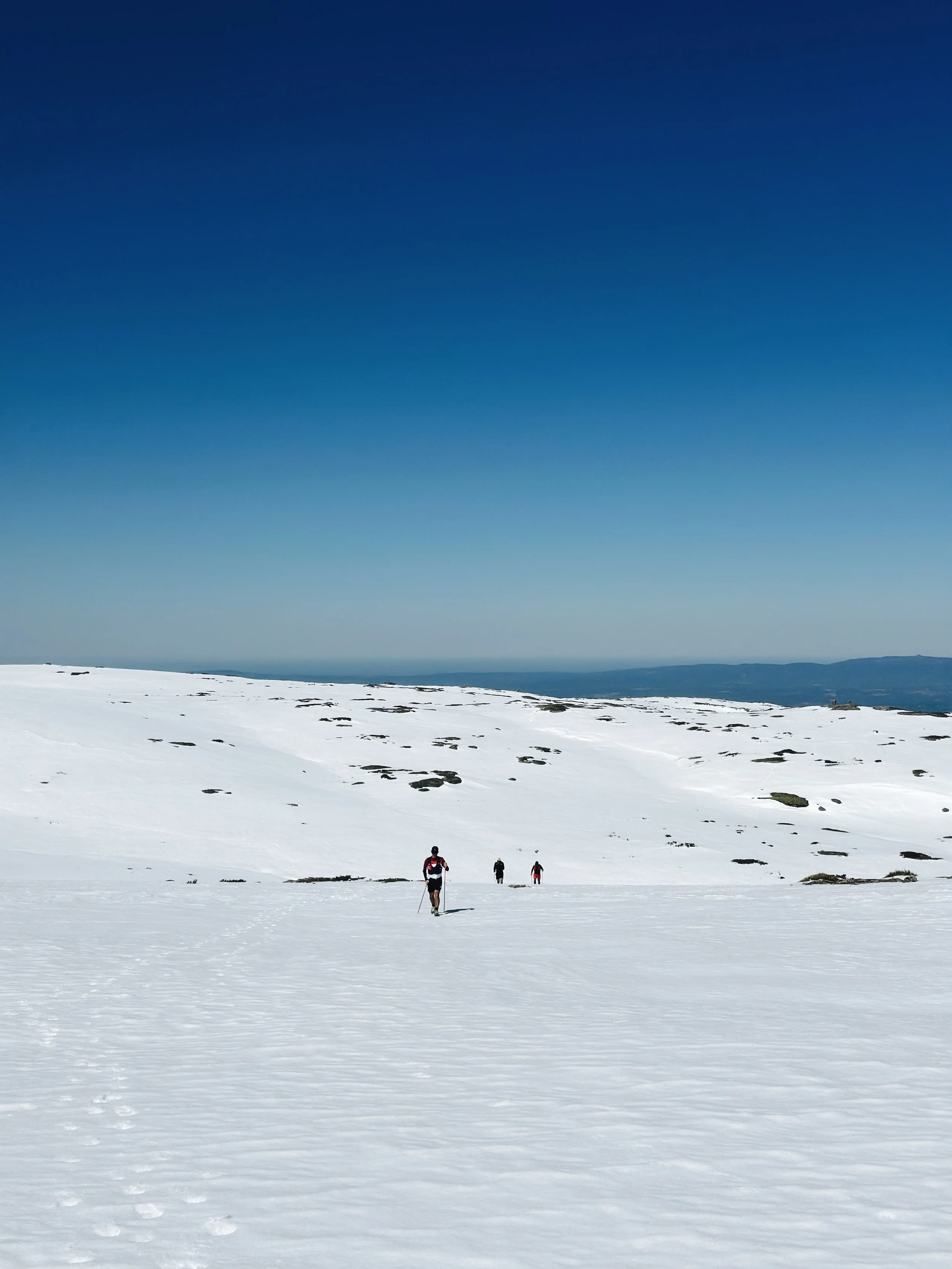
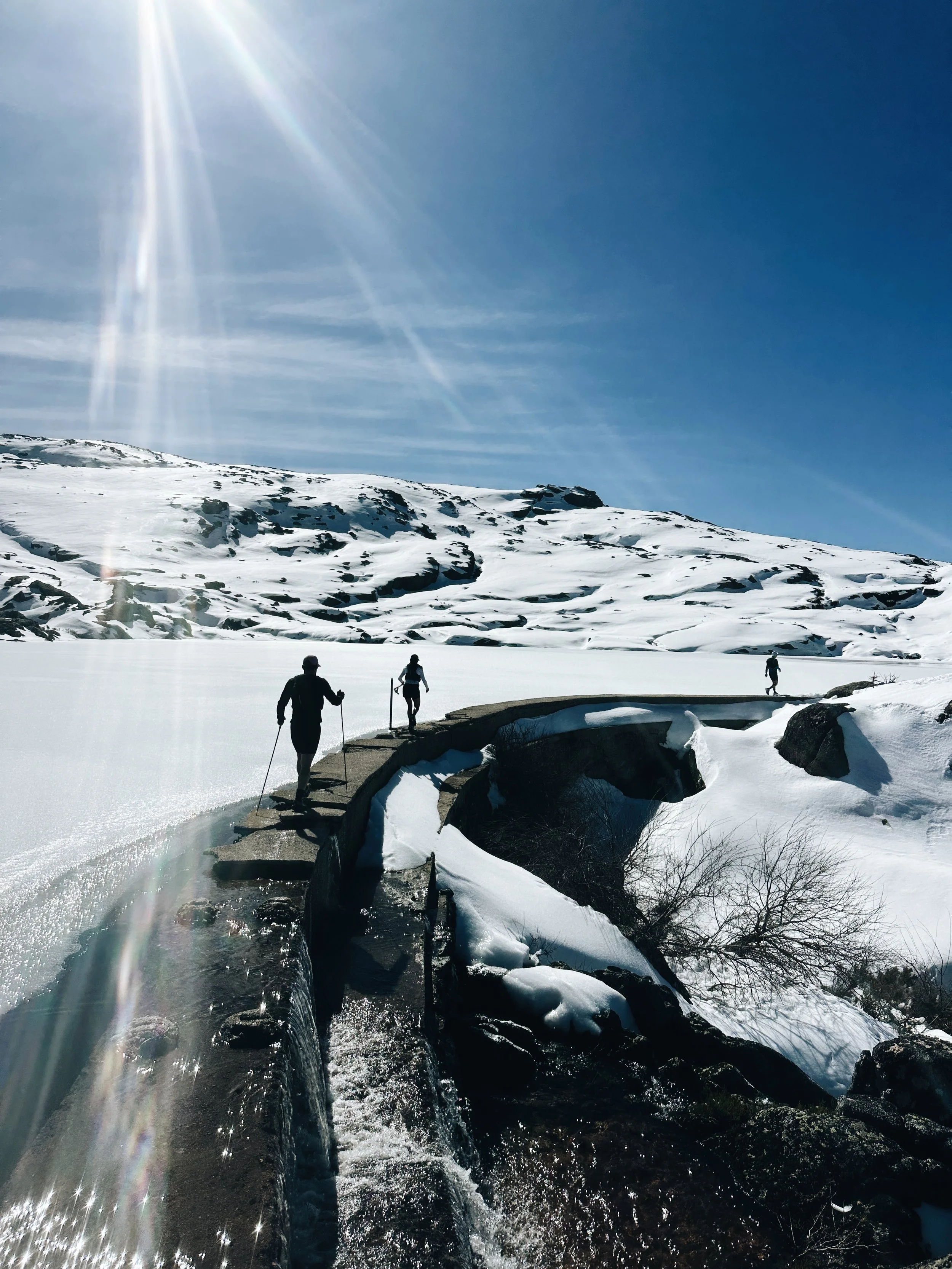
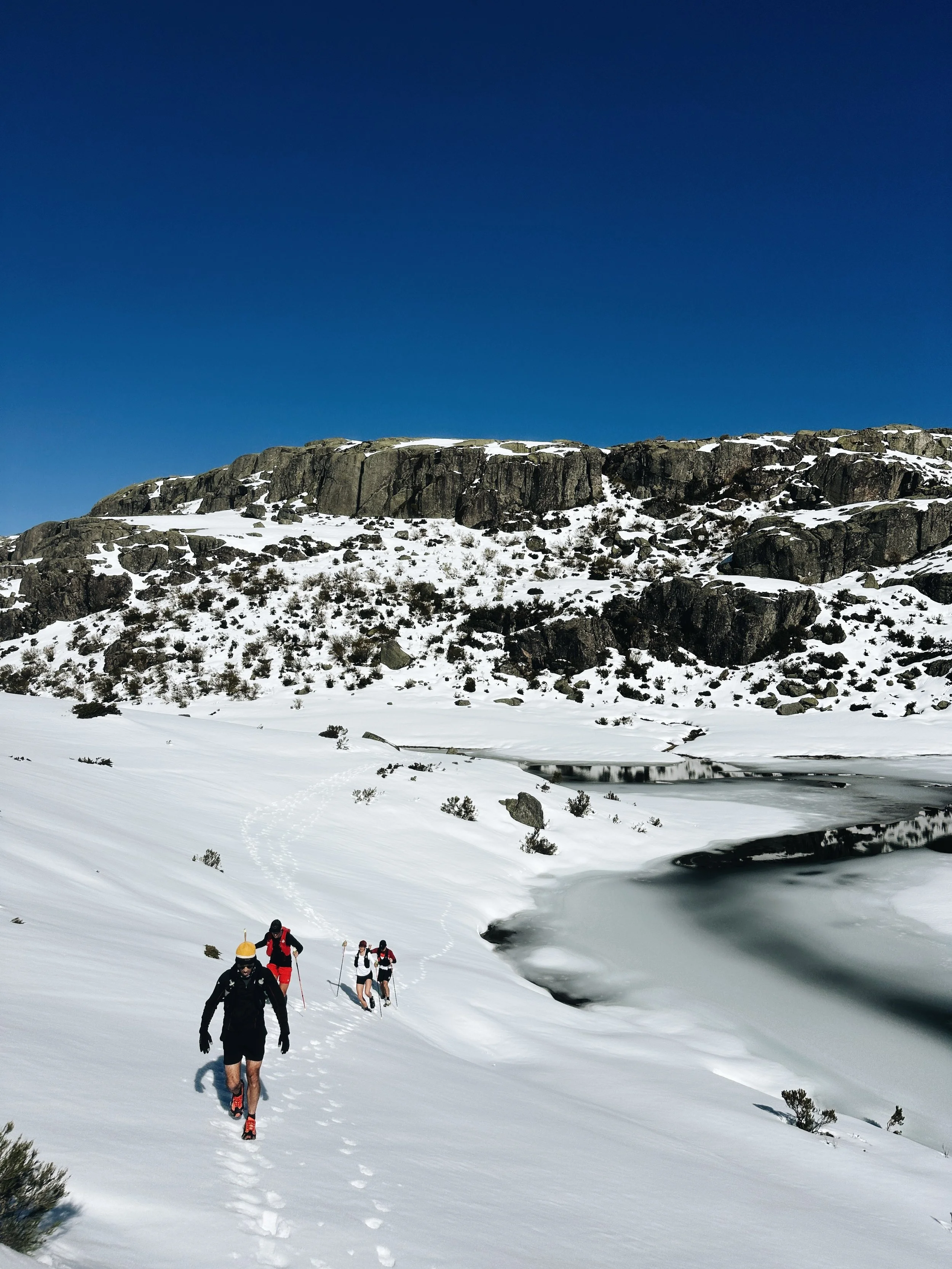
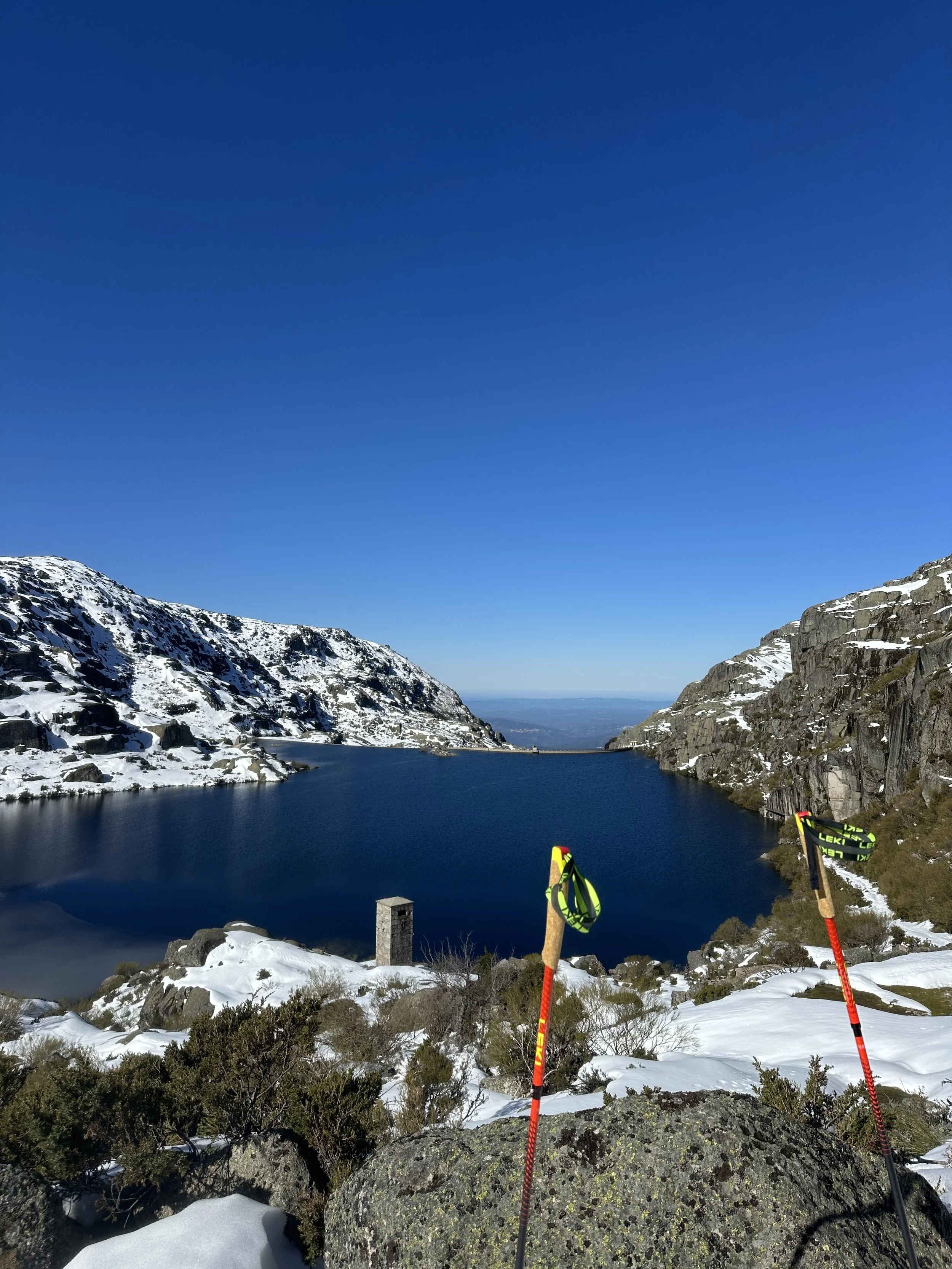
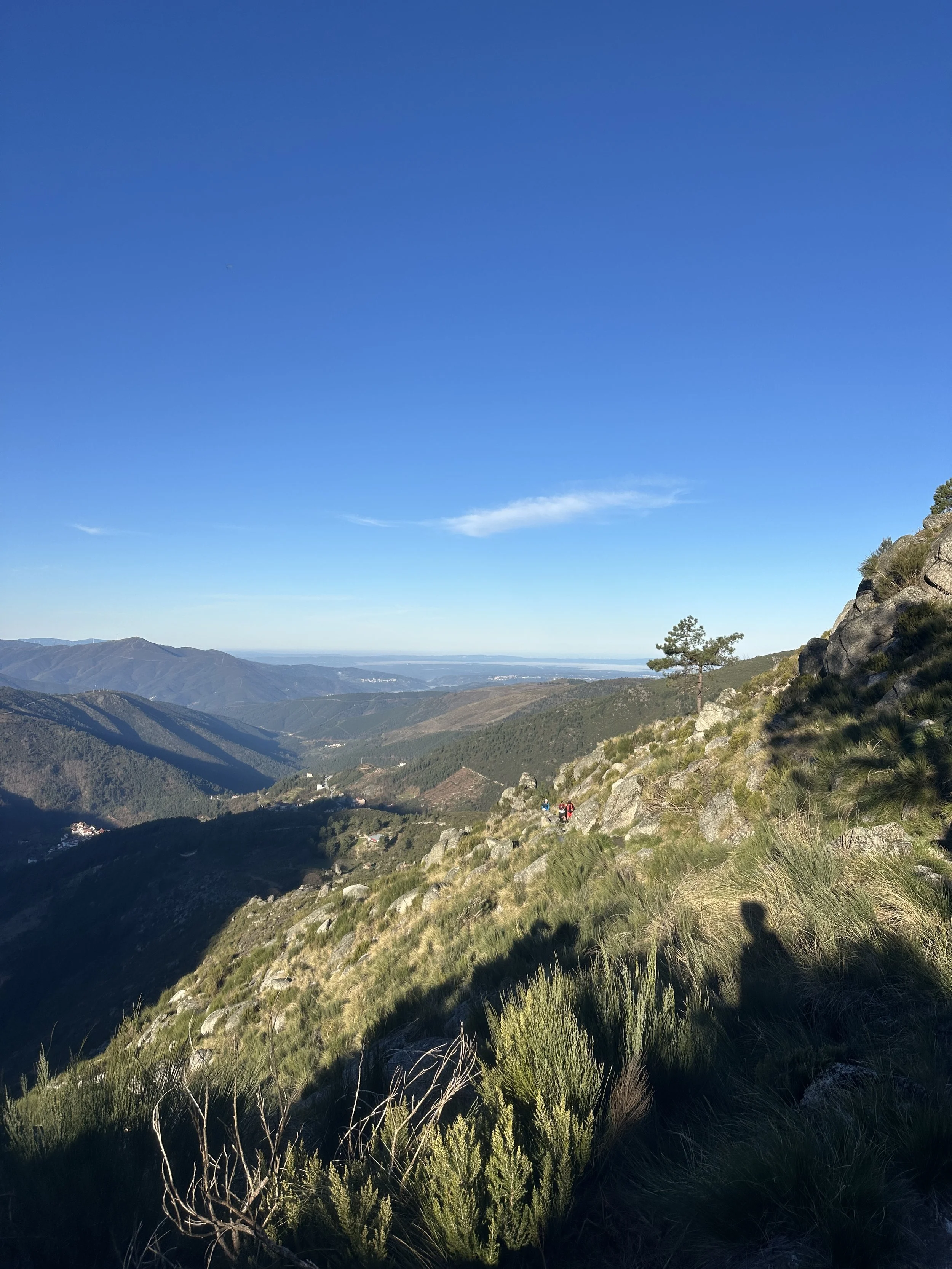
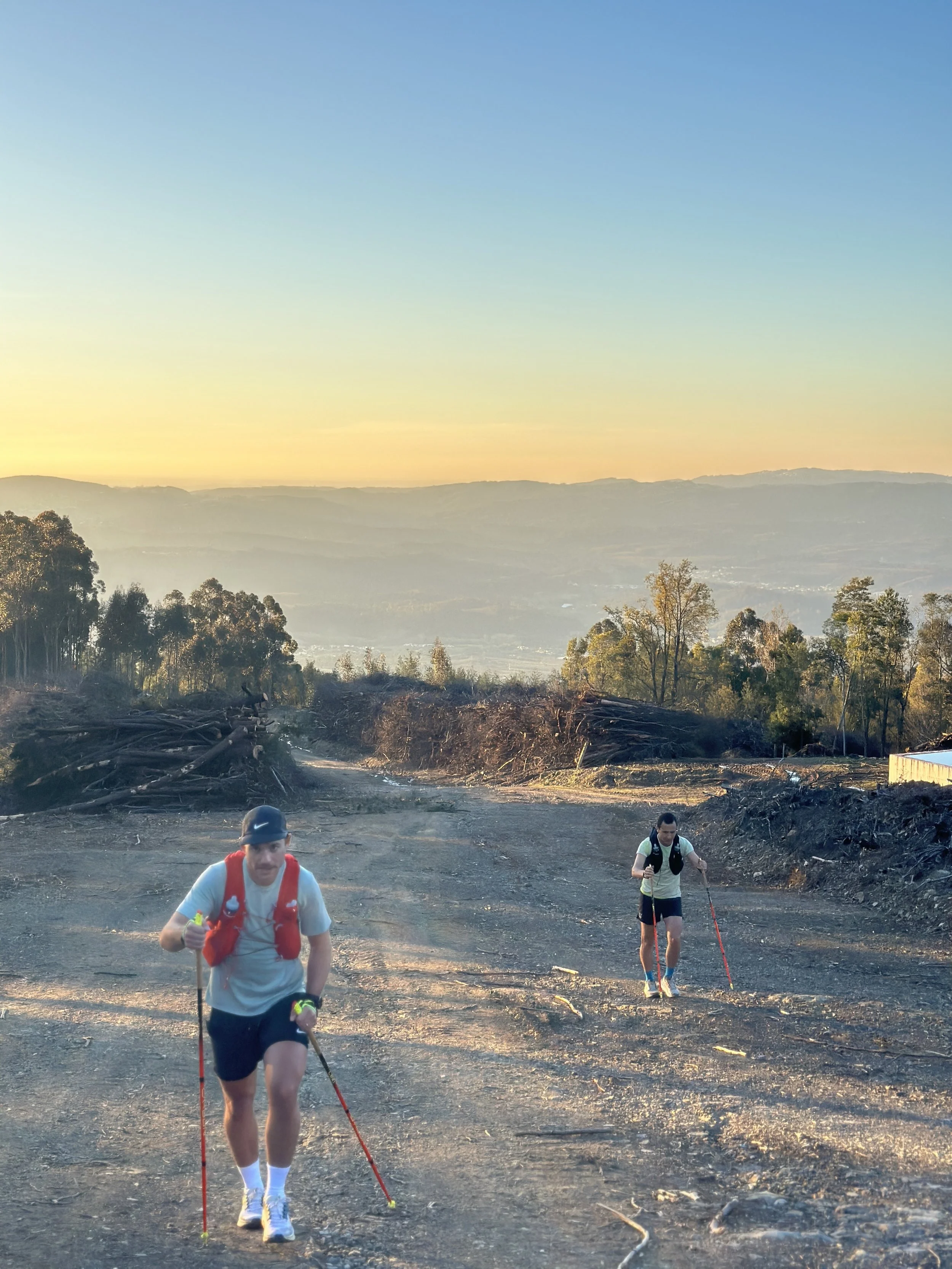
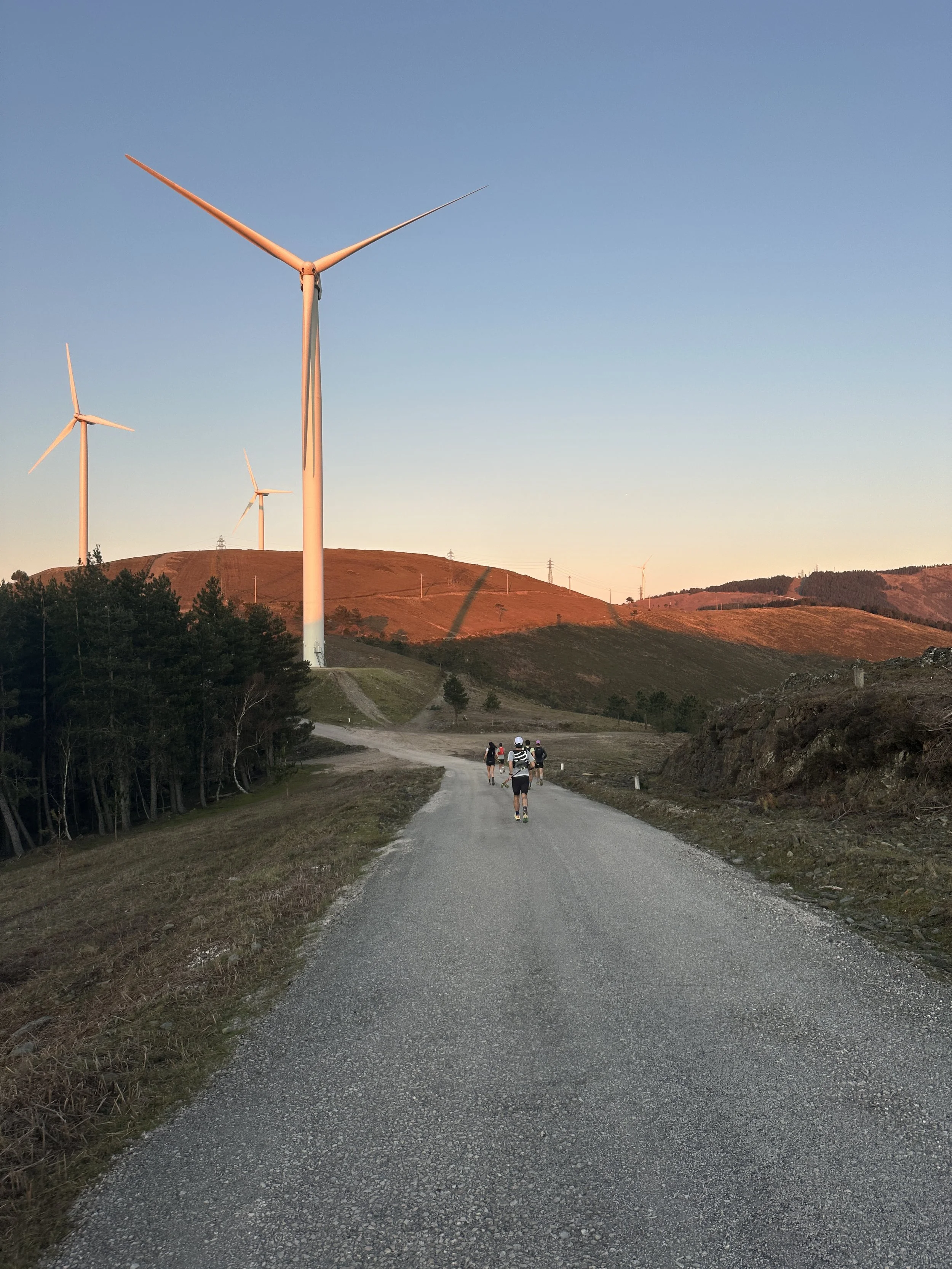
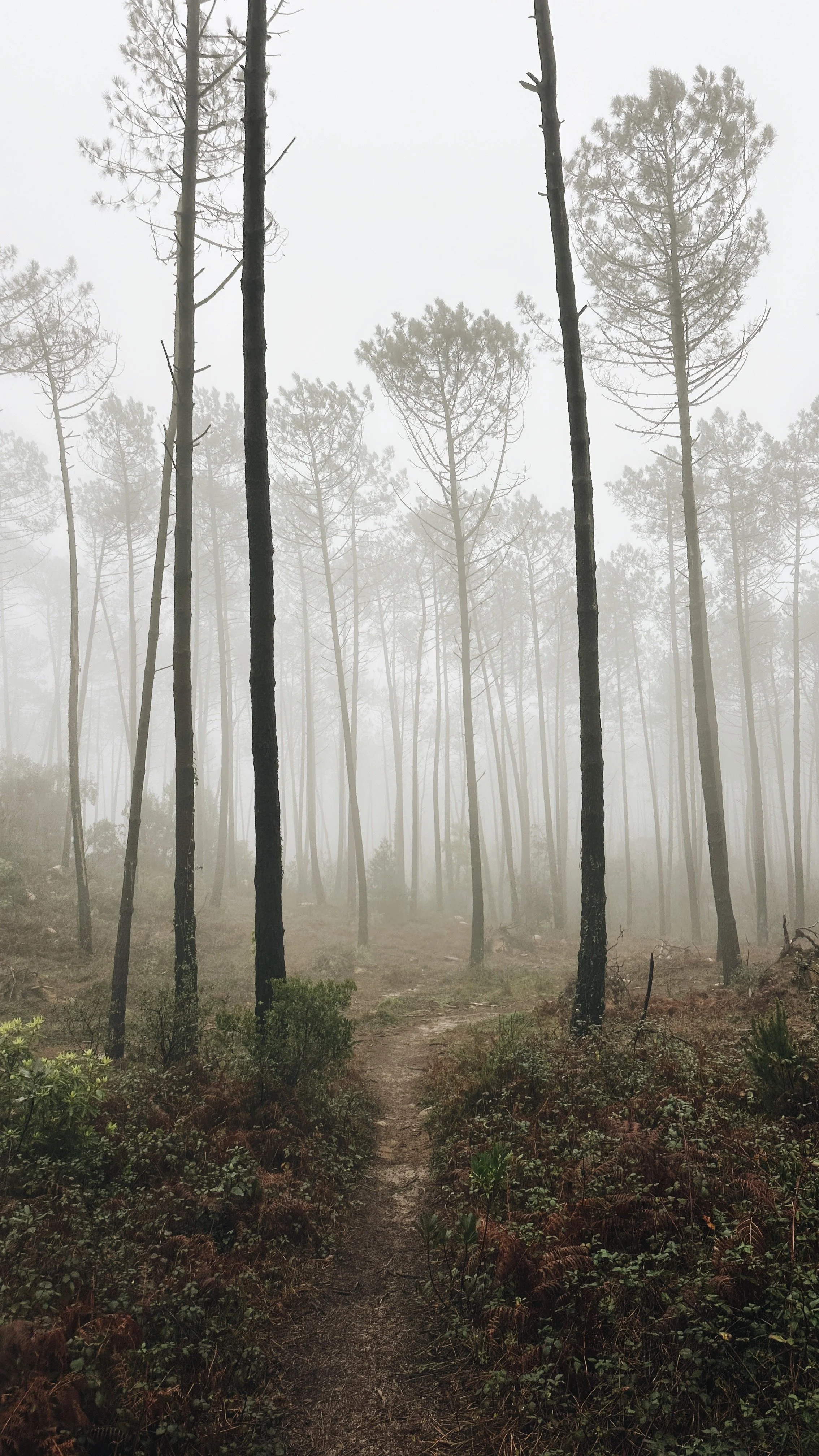
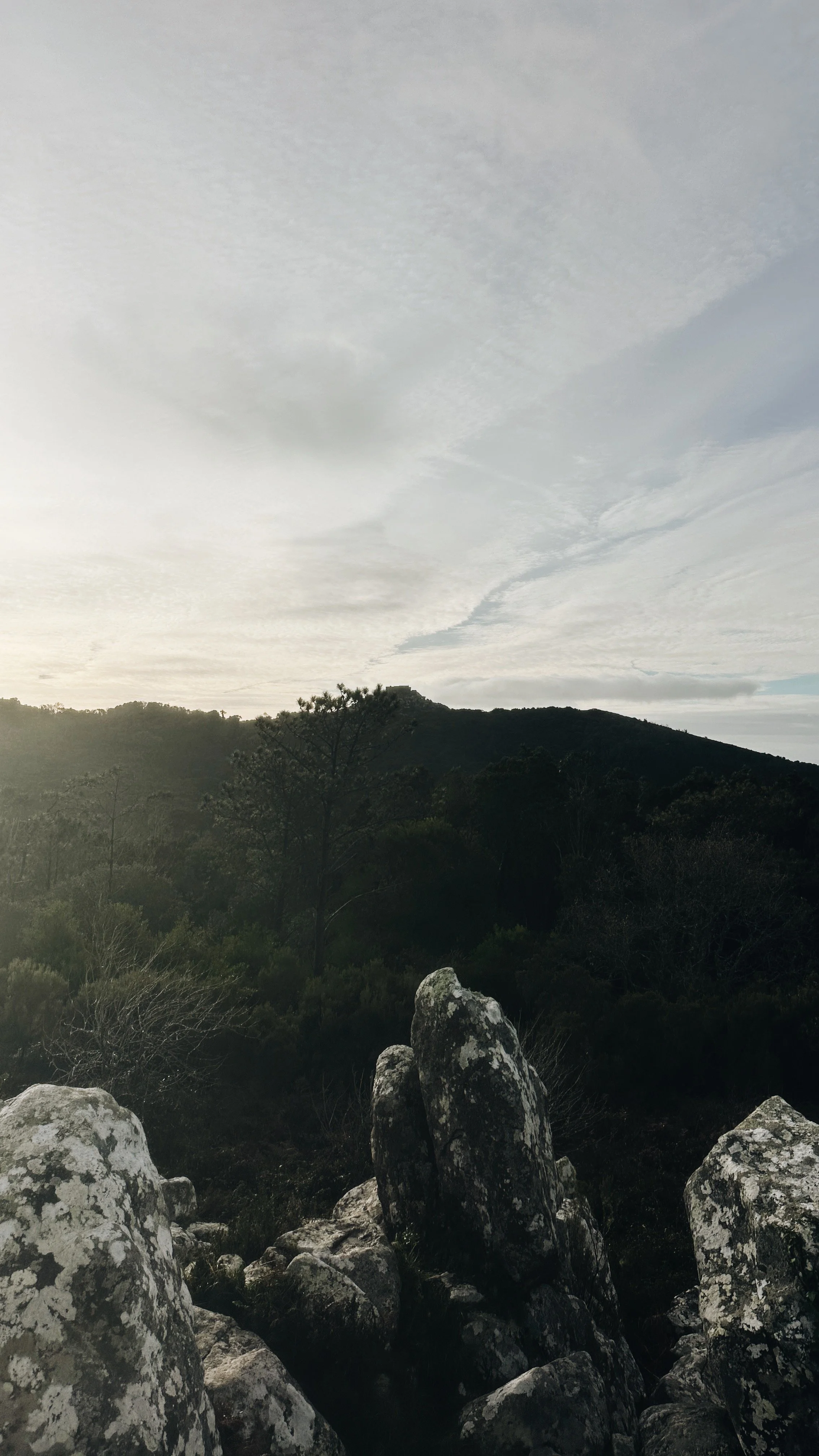
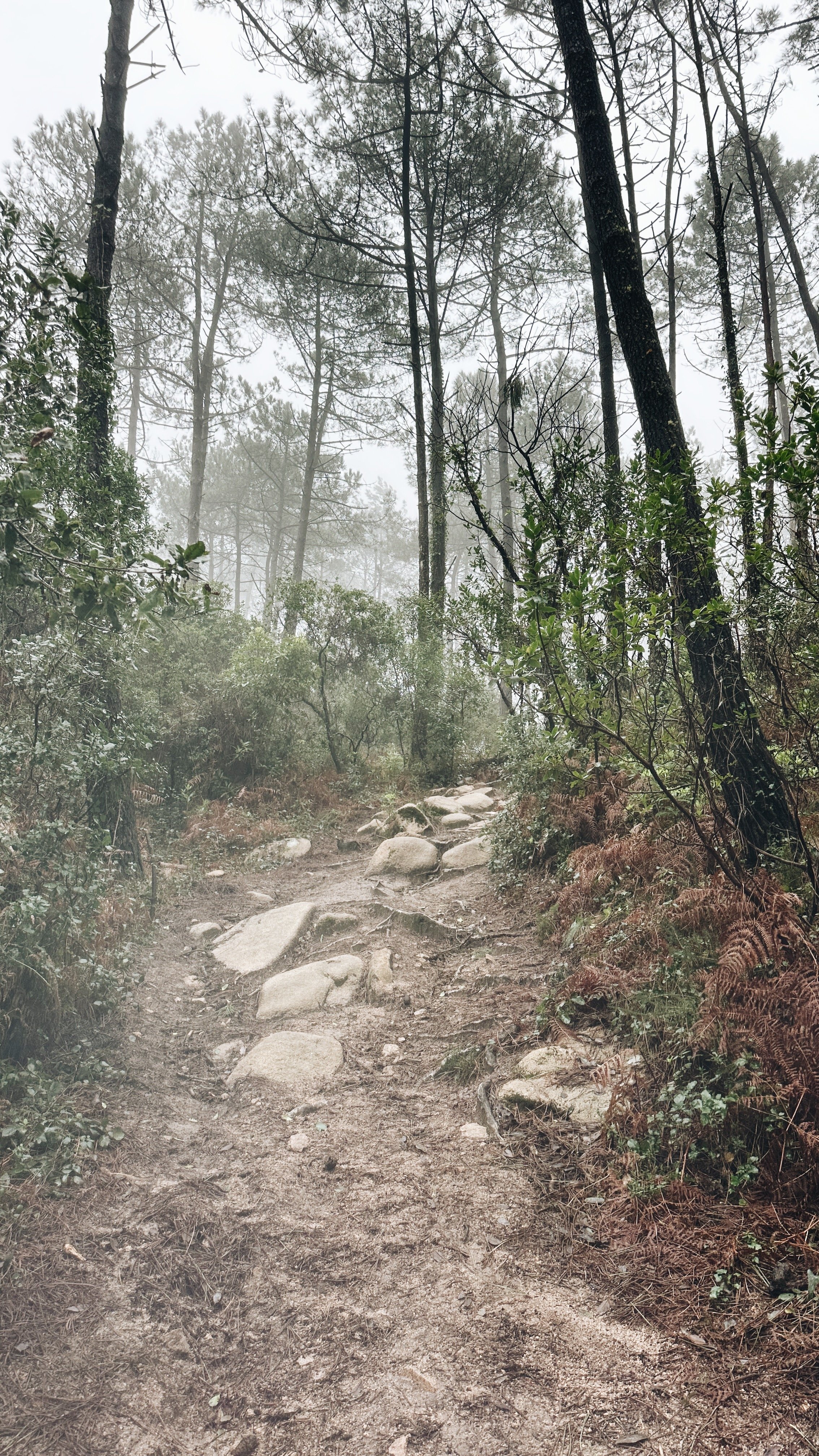
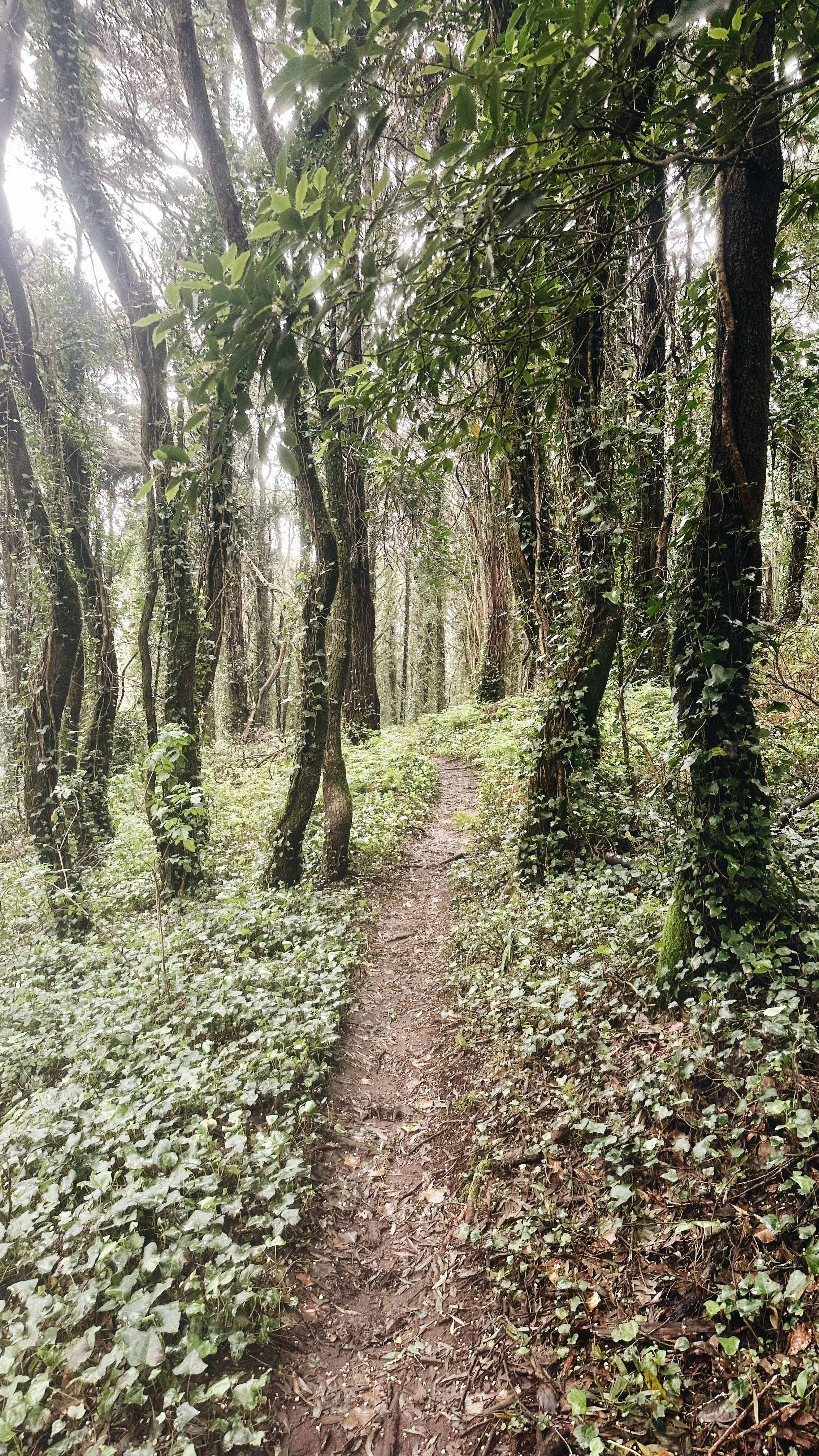
ALL PHOTOS TAKEN AND EDITED BY US ON IPHONE
“What makes your route special? Why is it the right way to put Kjerag 02 to the test?”
Why Sintra
For ten days, Sintra becomes our world.
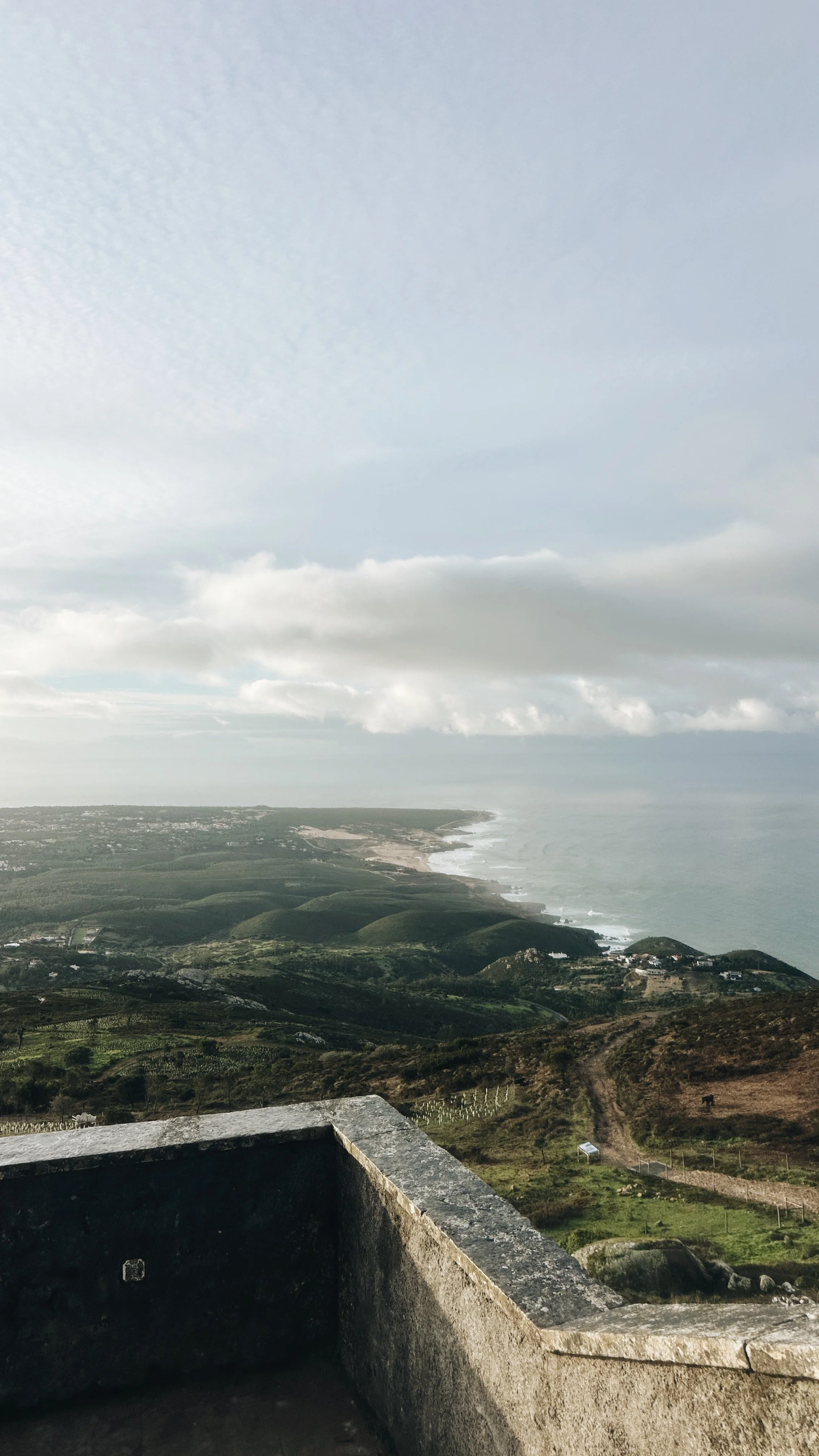
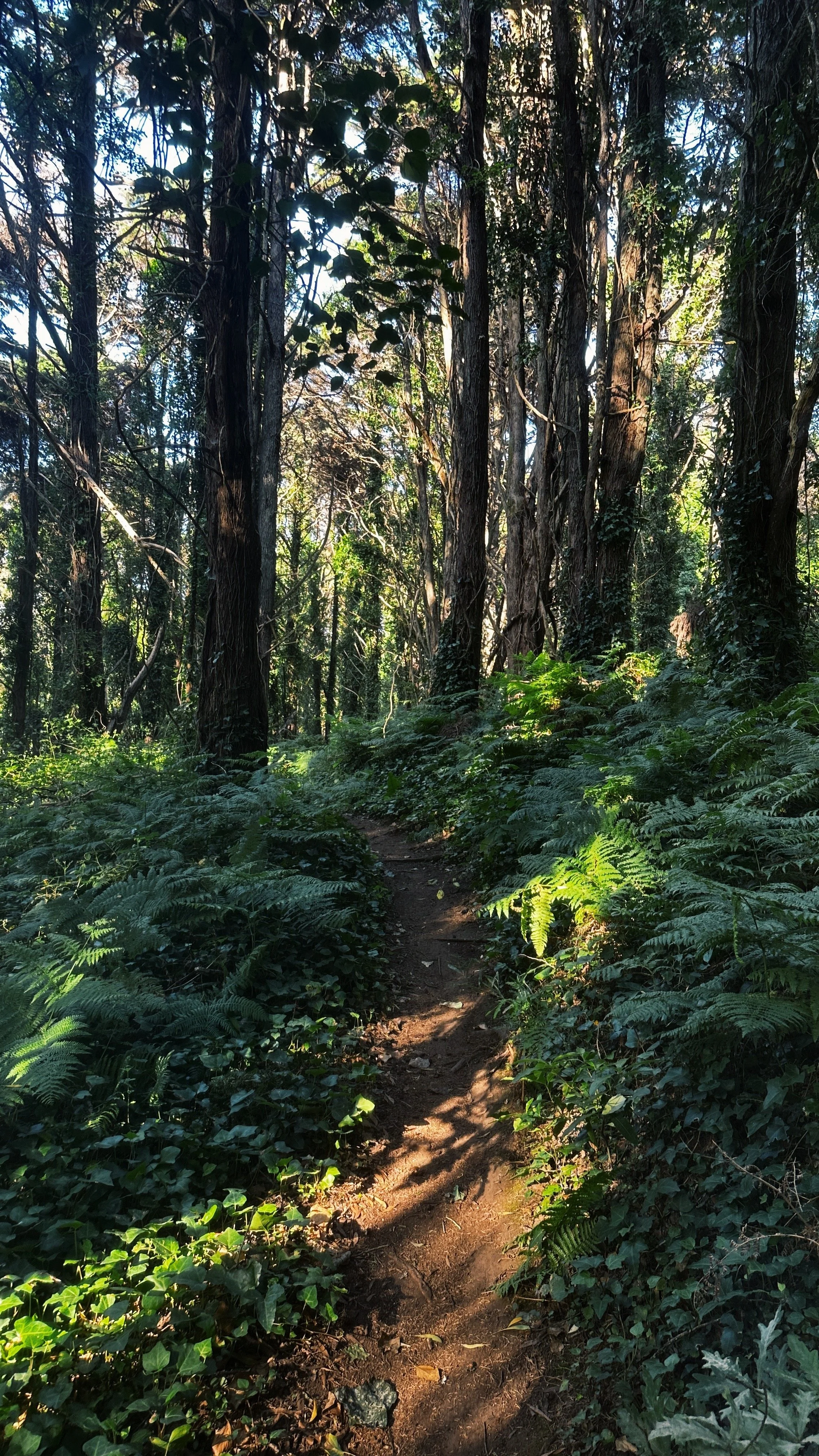
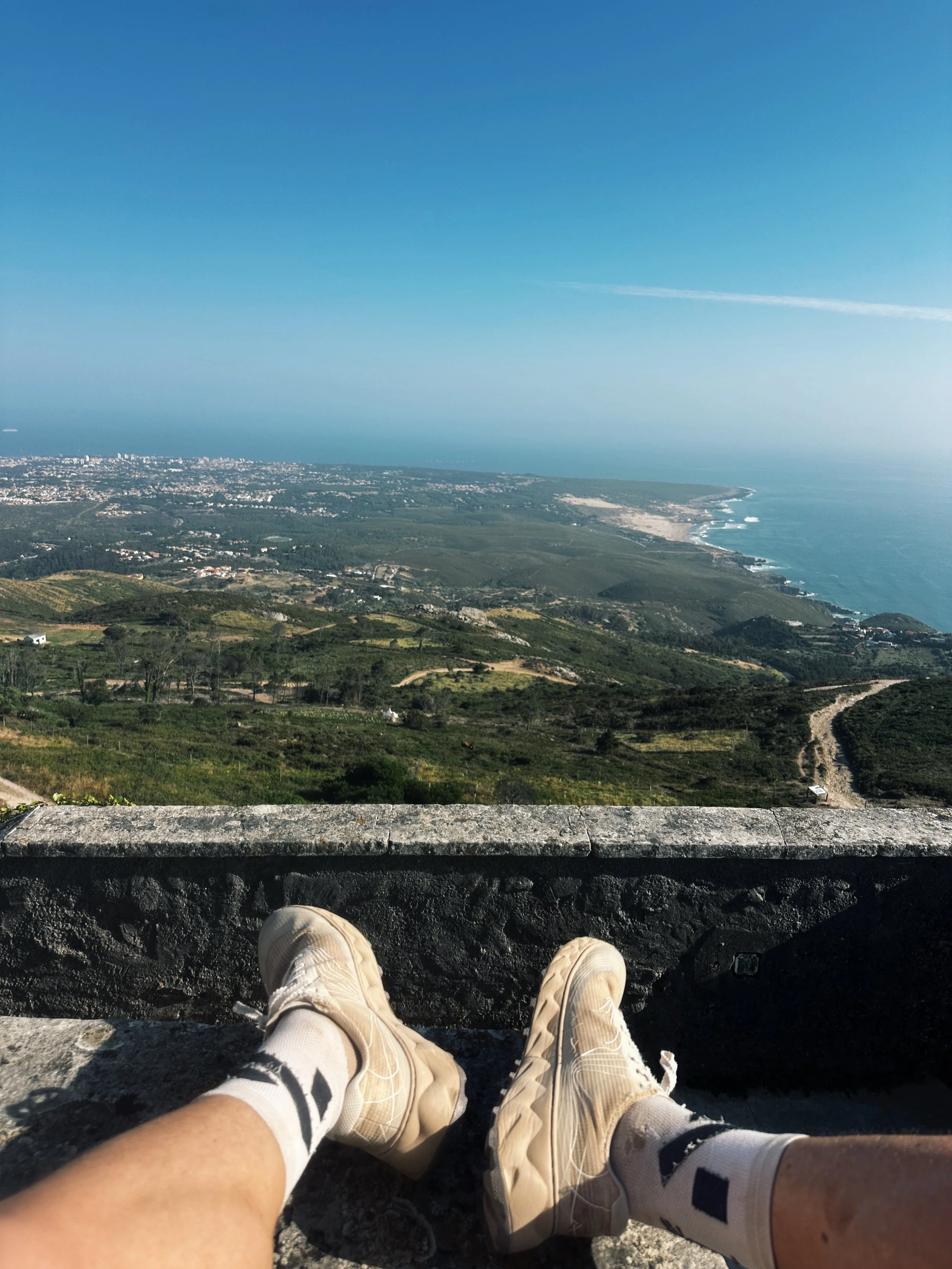
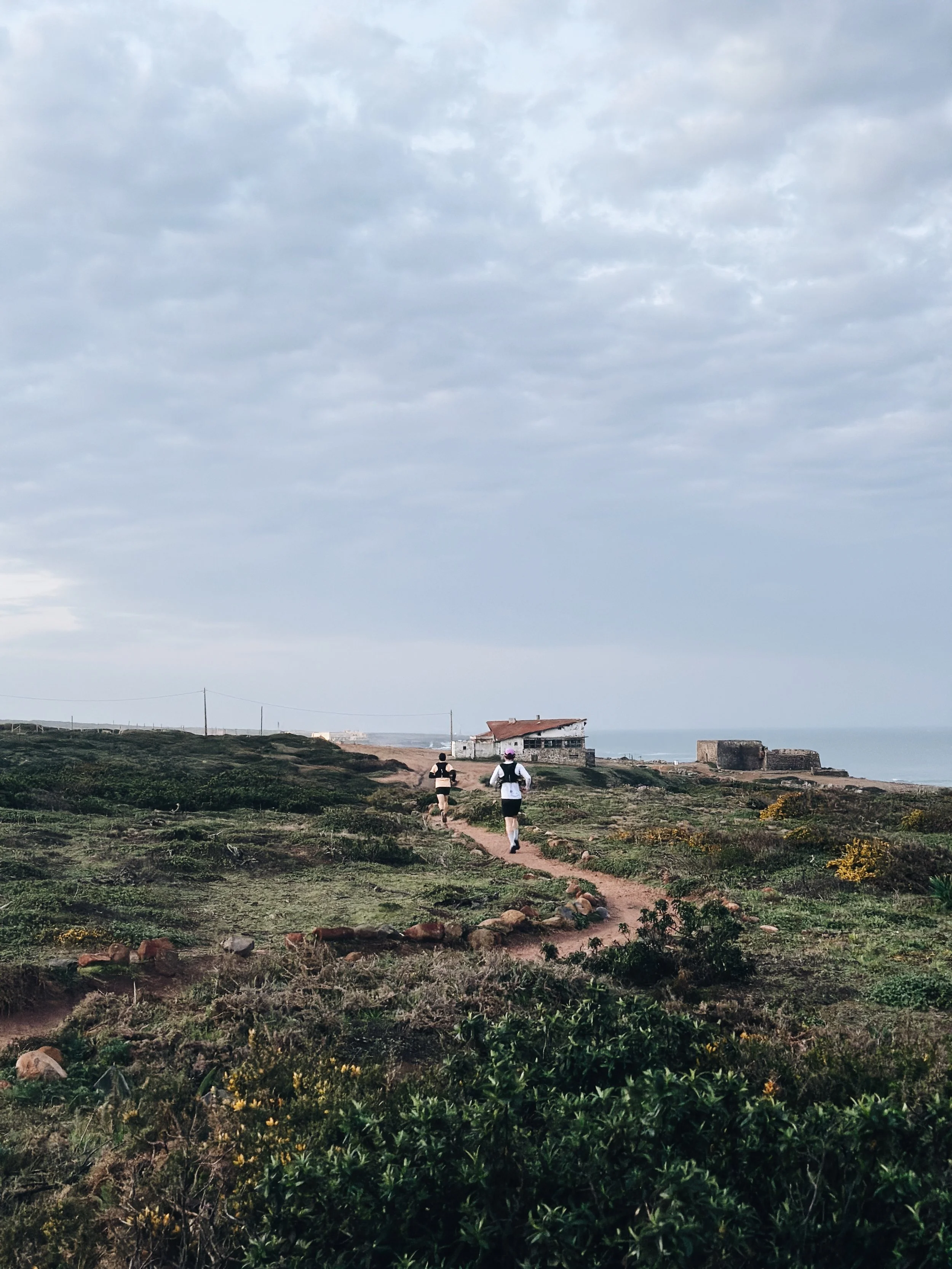
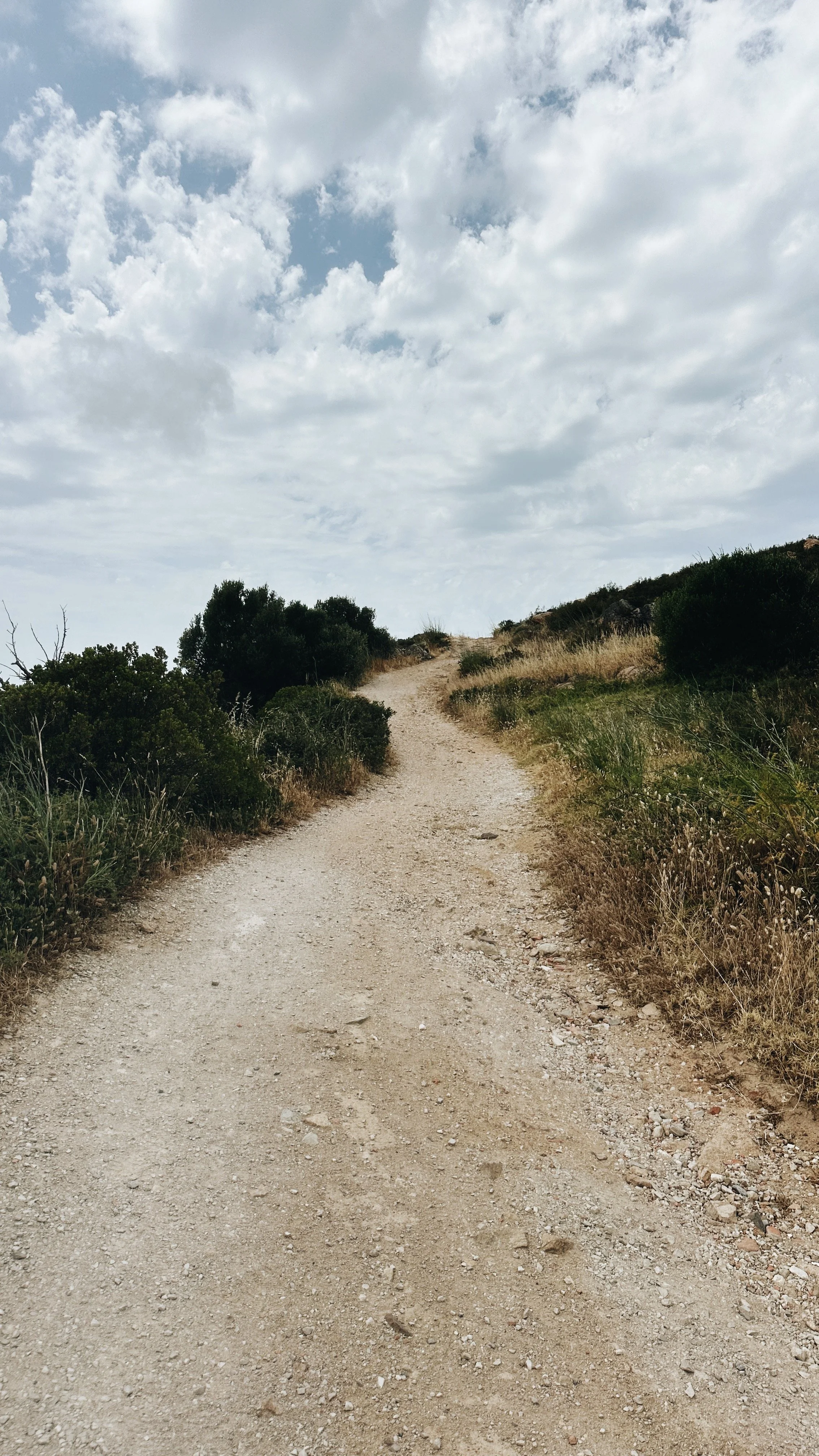
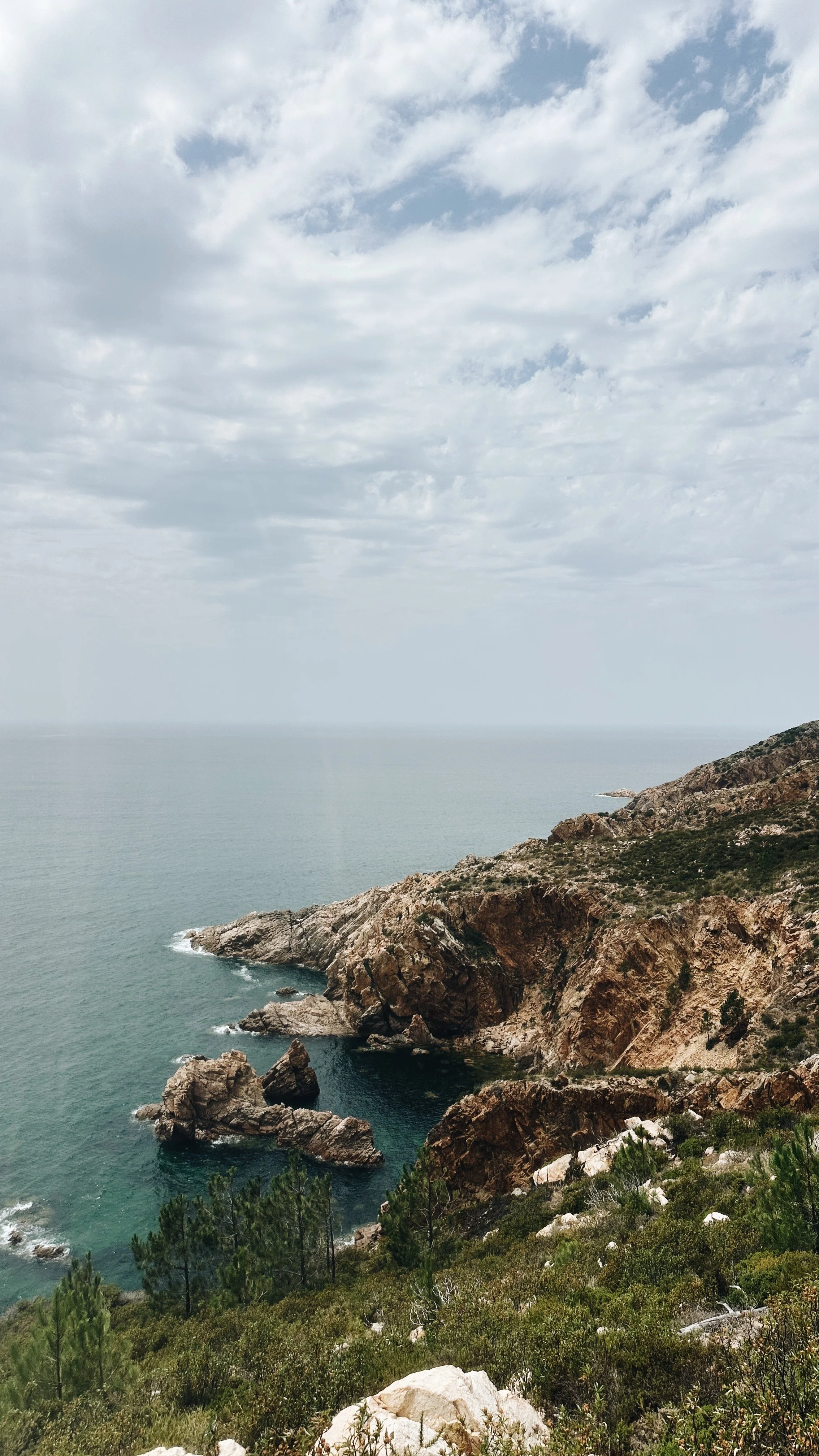
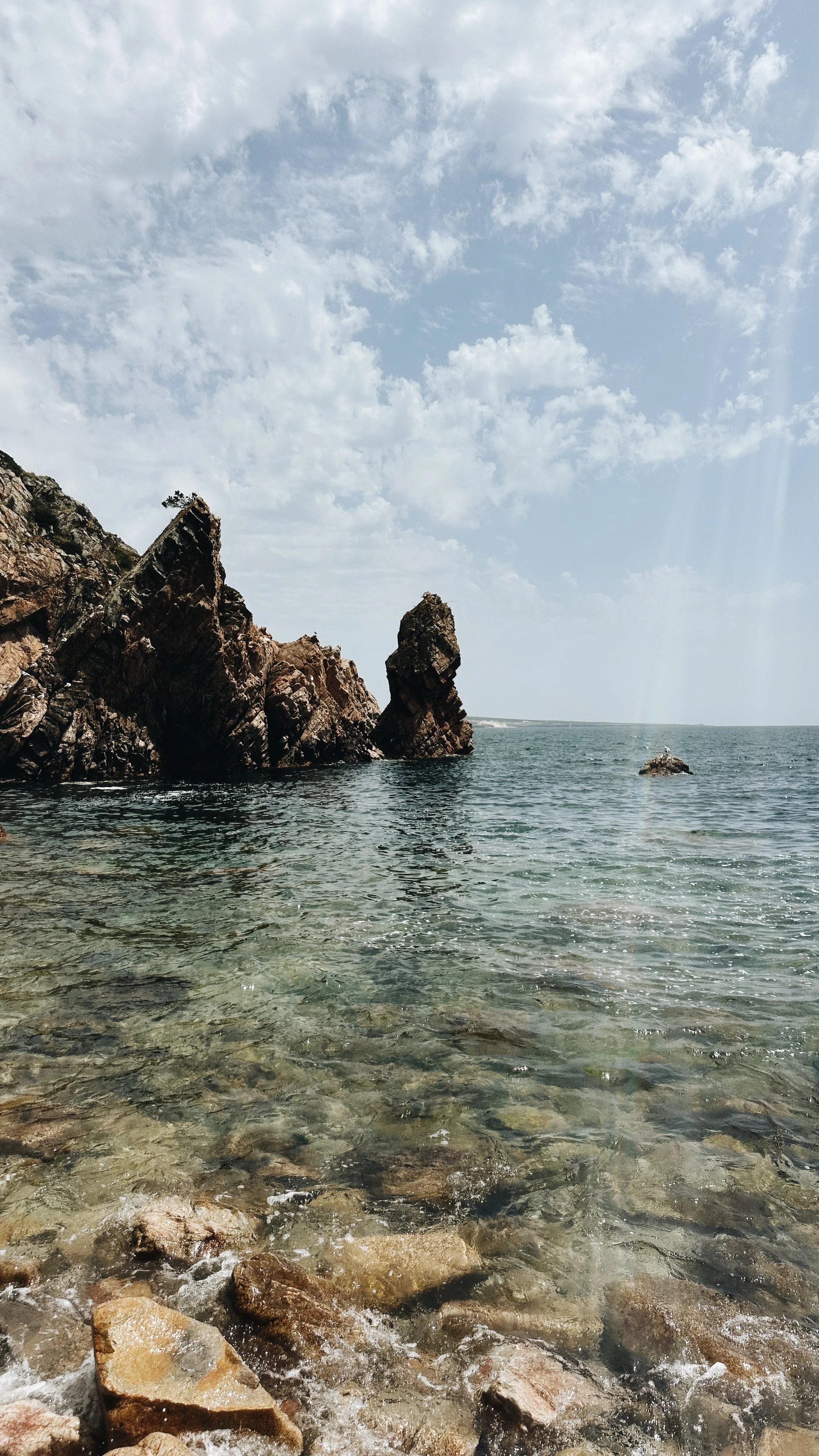
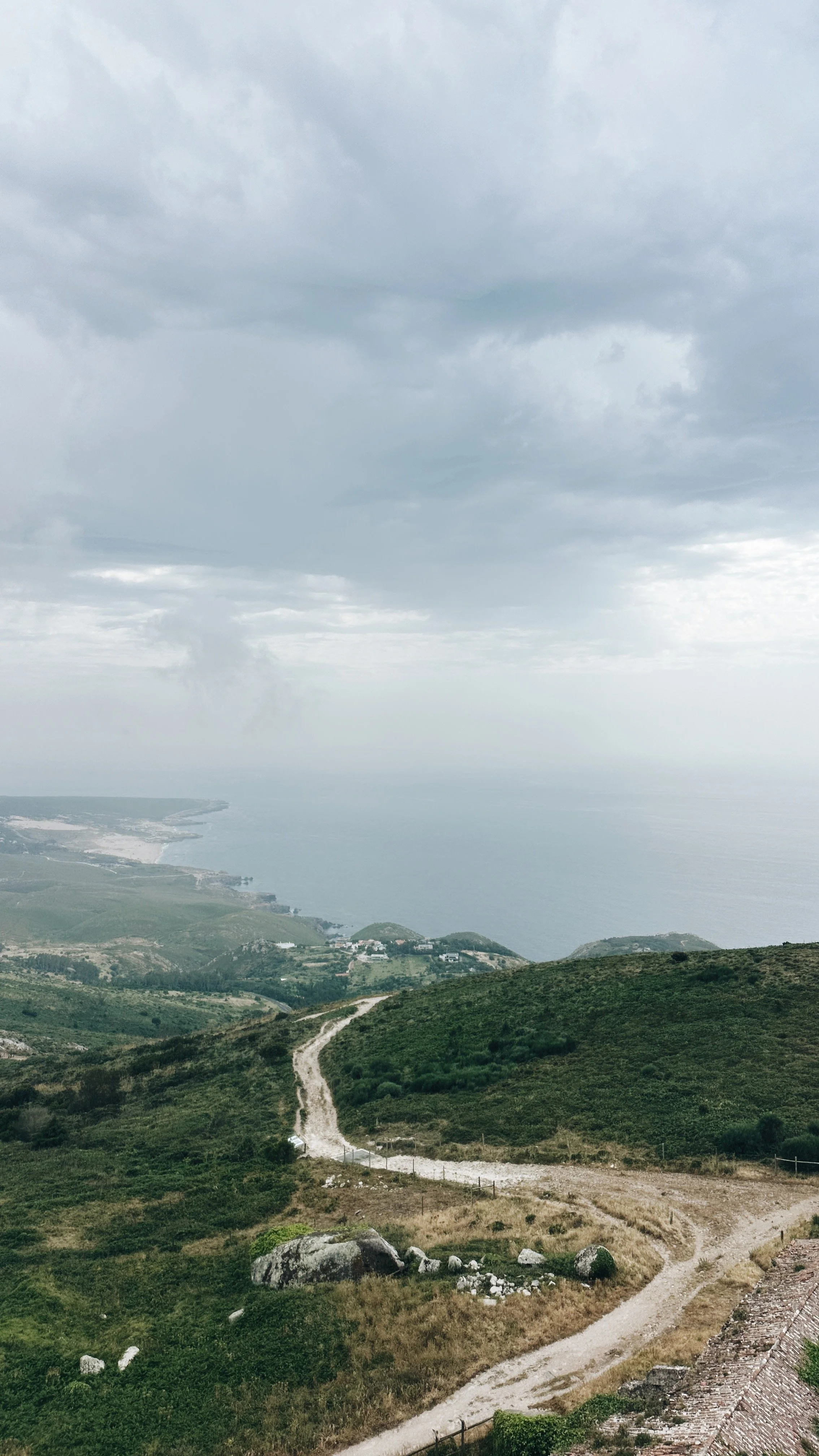
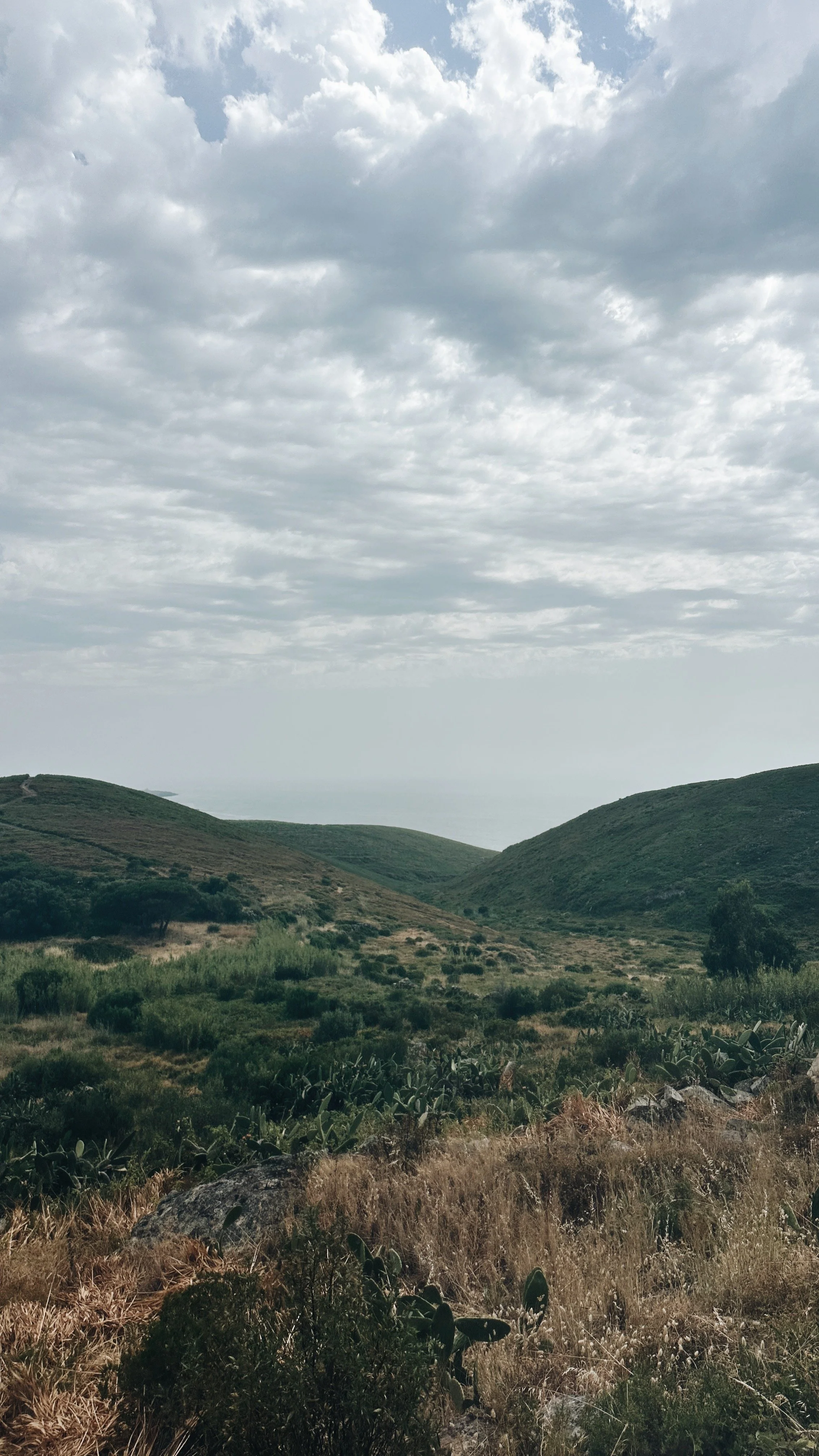
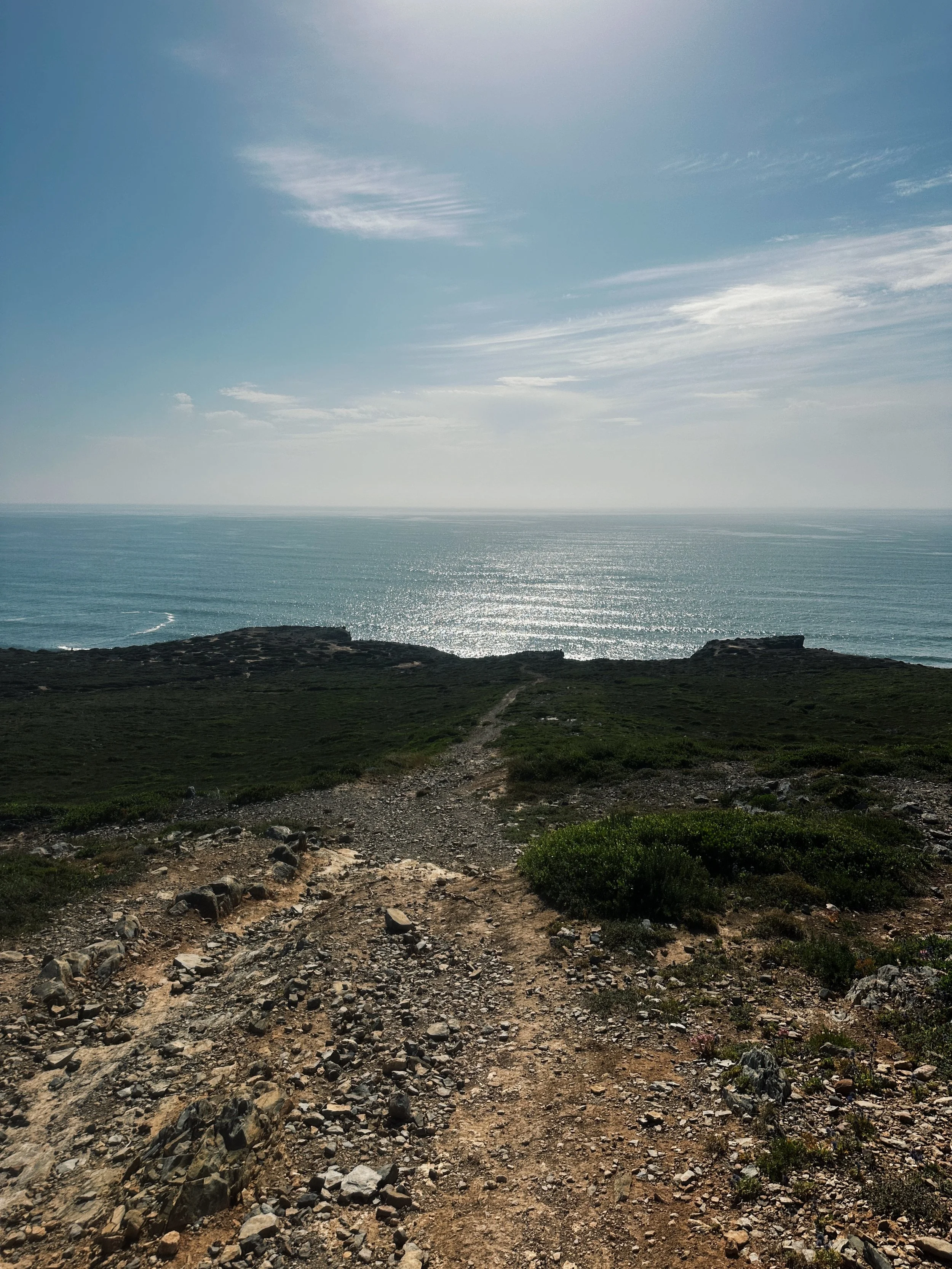
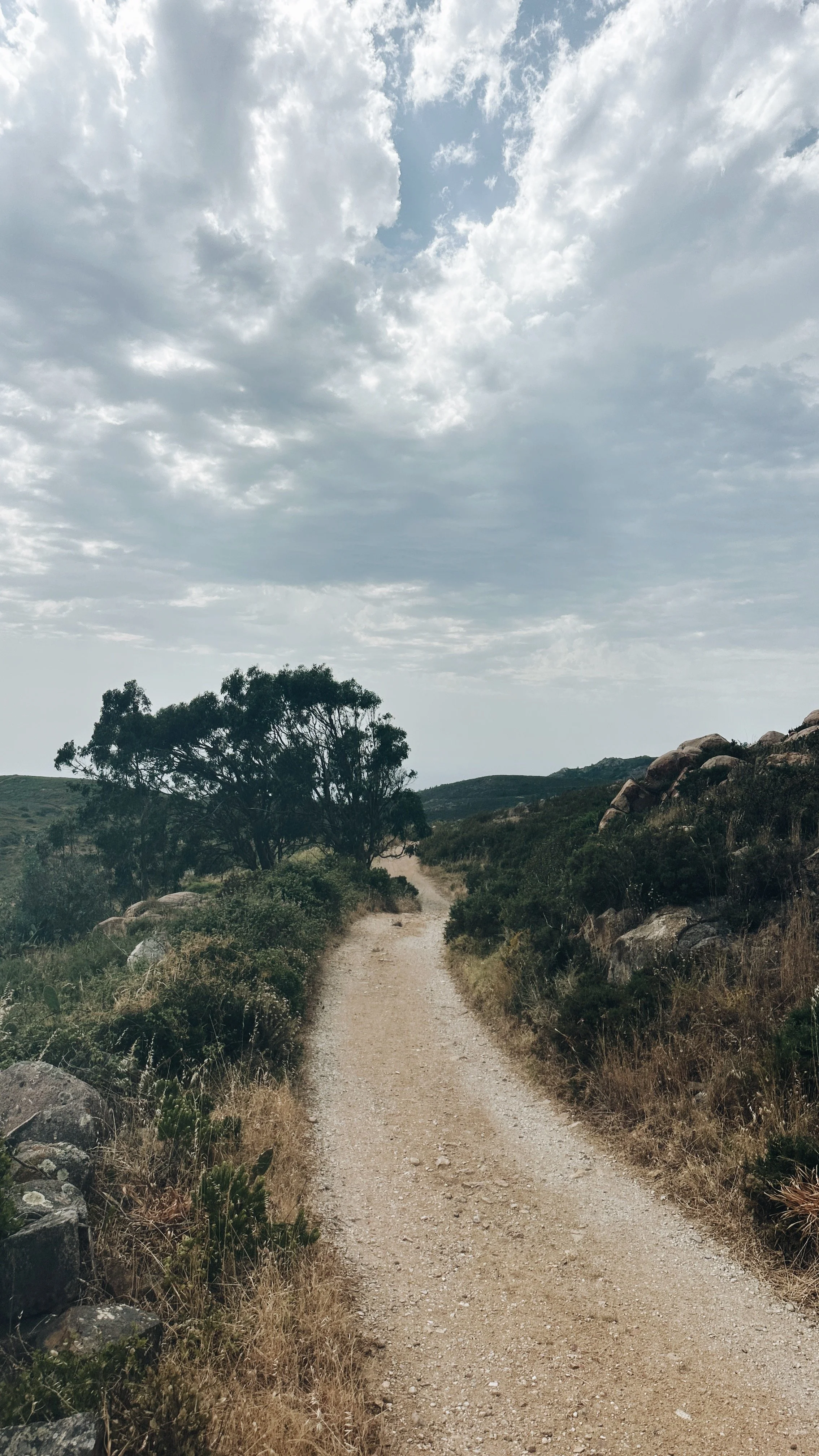
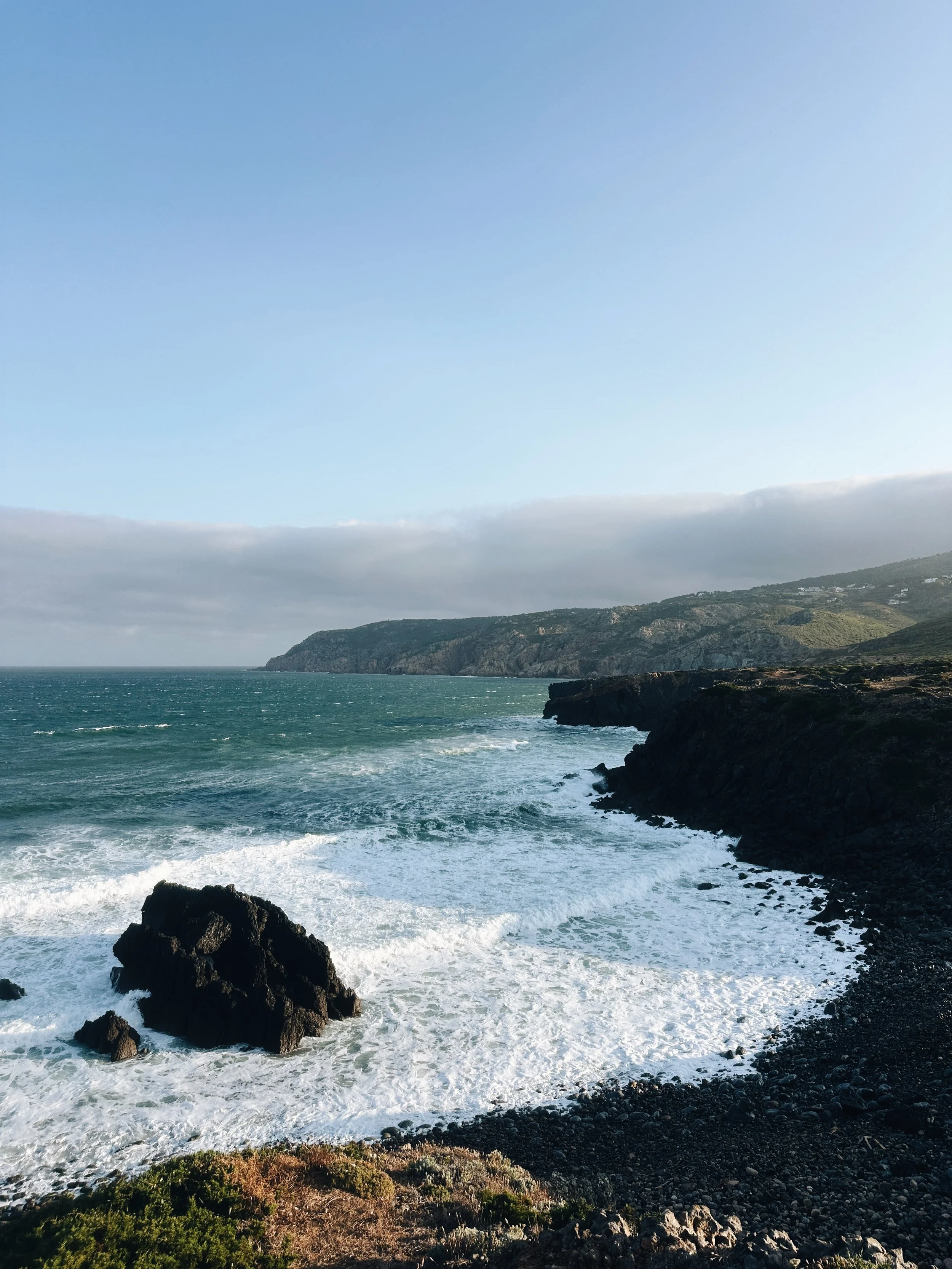
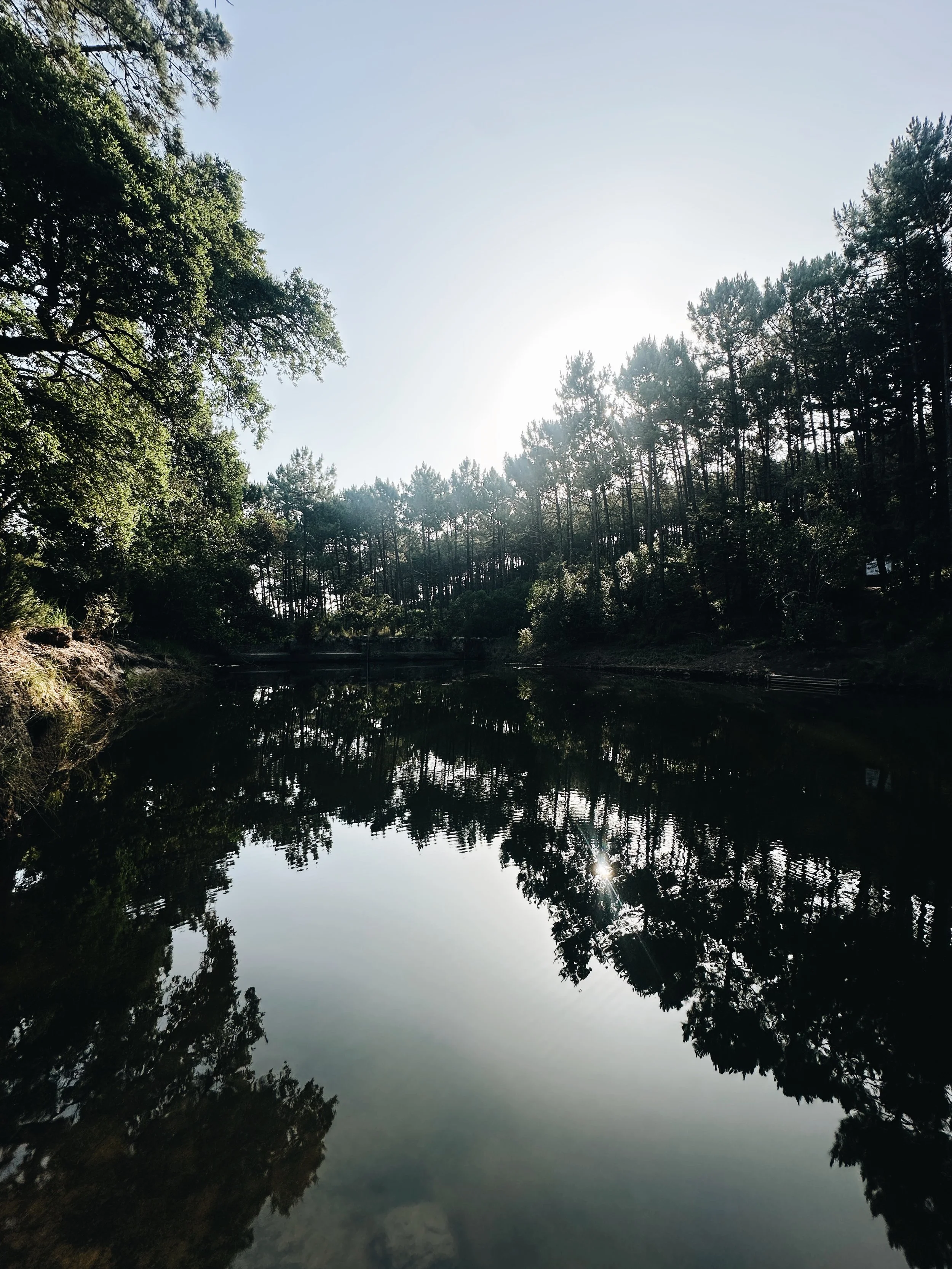
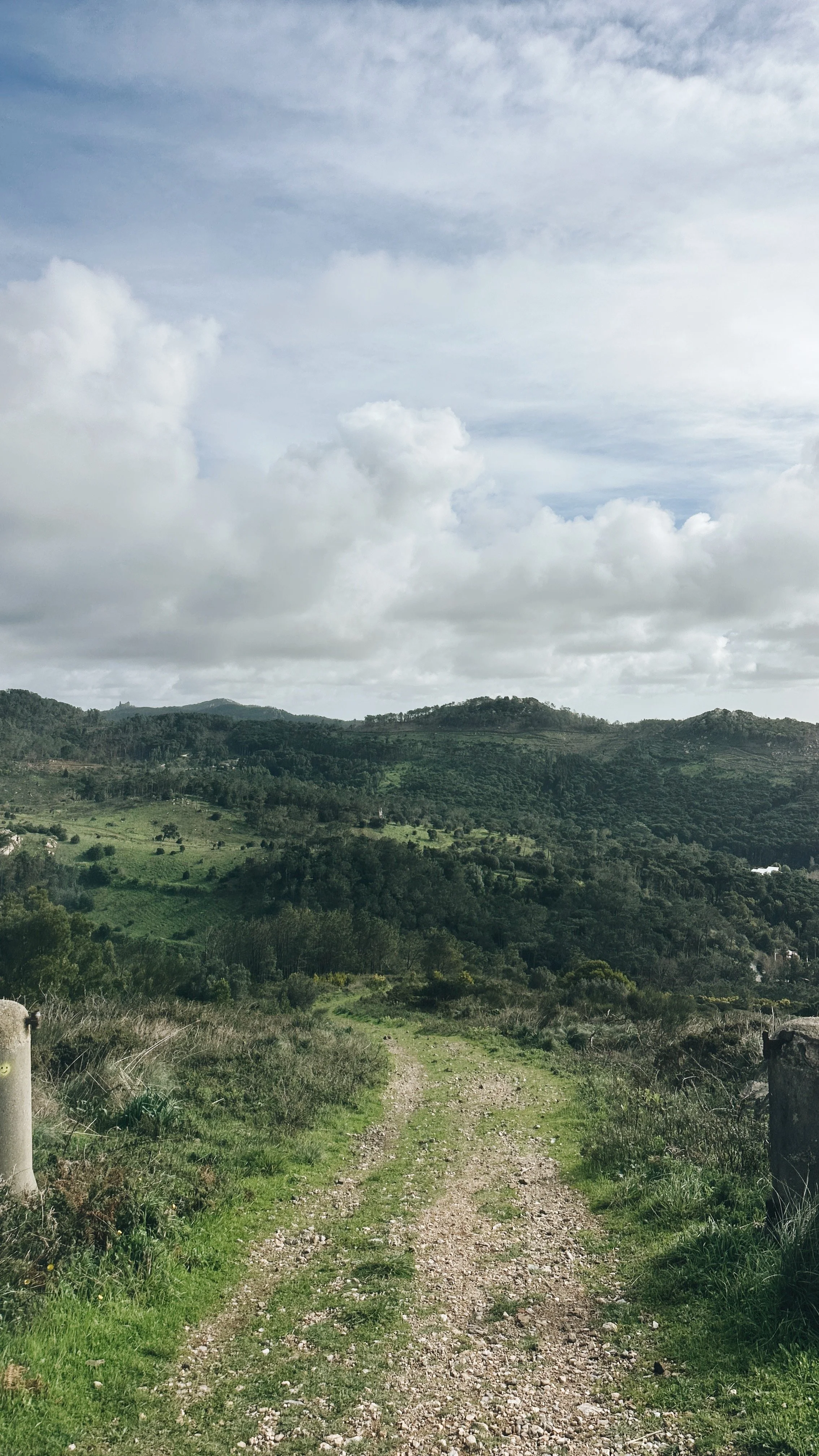
A mountain surrounded by the Atlantic, shaped by ancient forests, dramatic cliffs, rocky ridges, hidden lakes and an endless network of trails. It is a place where we can spend hours running without seeing the same landscape for long, moving from dense woodland to open viewpoints, from flowing single tracks to technical rocky terrain.
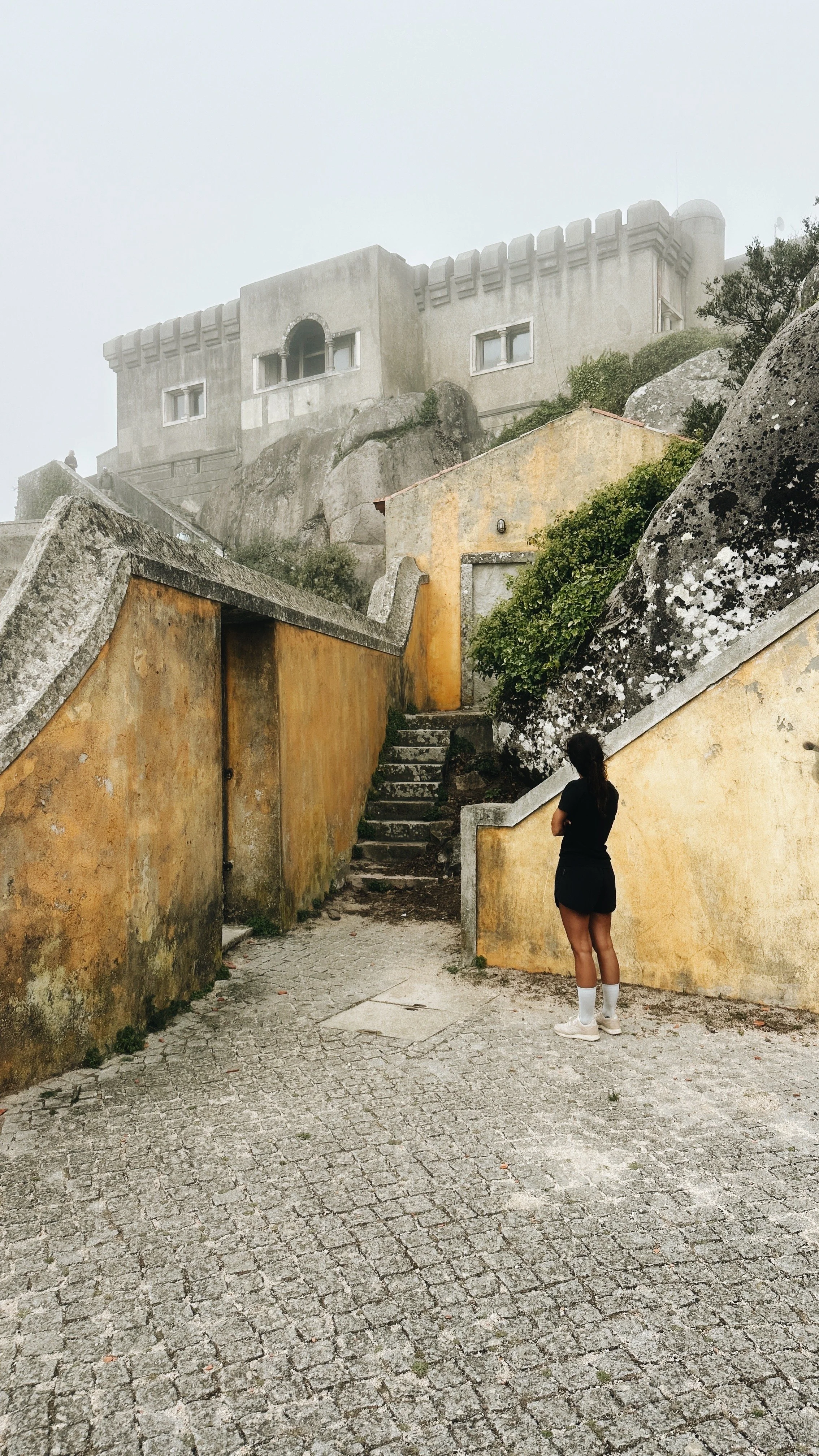
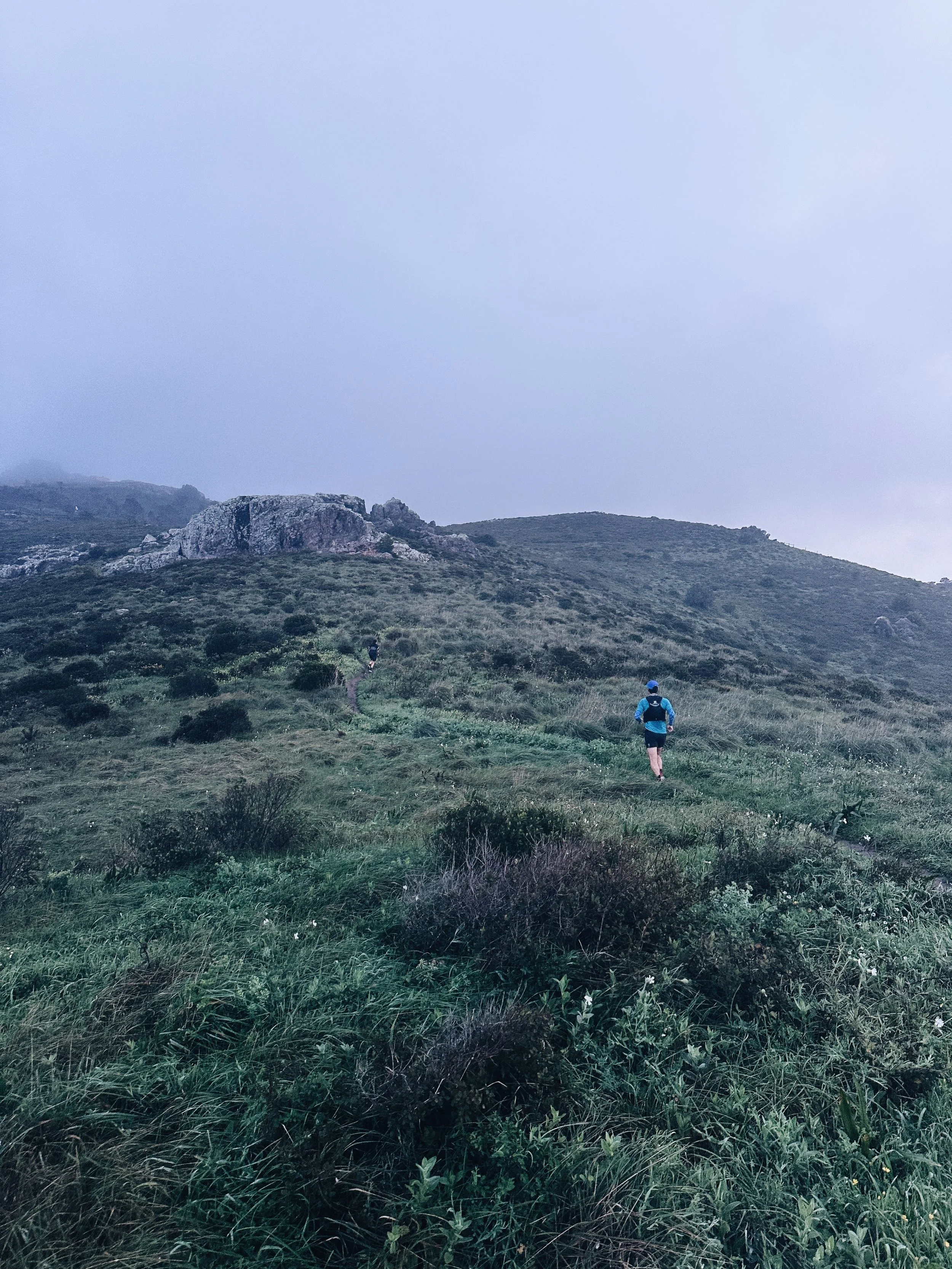
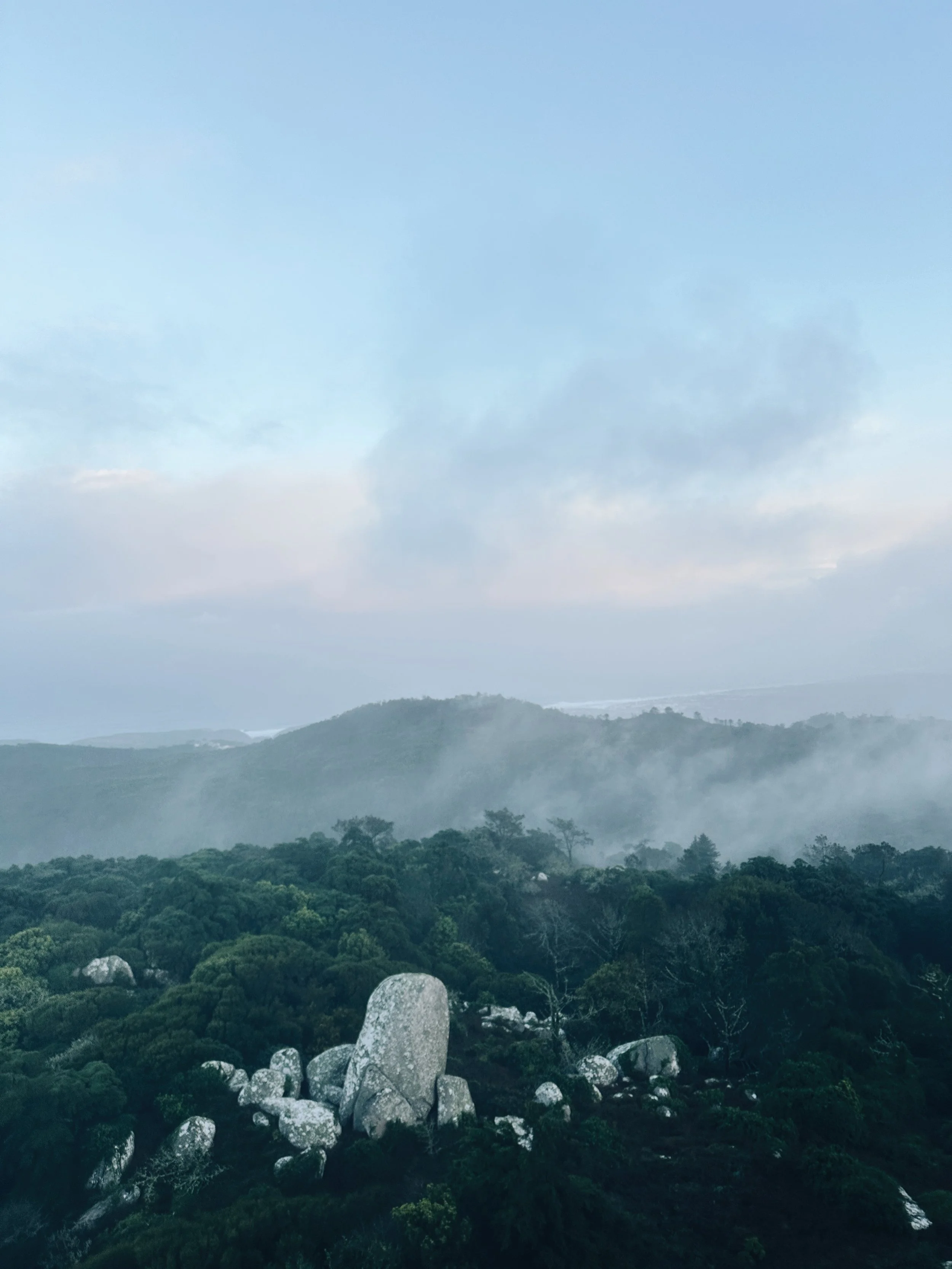
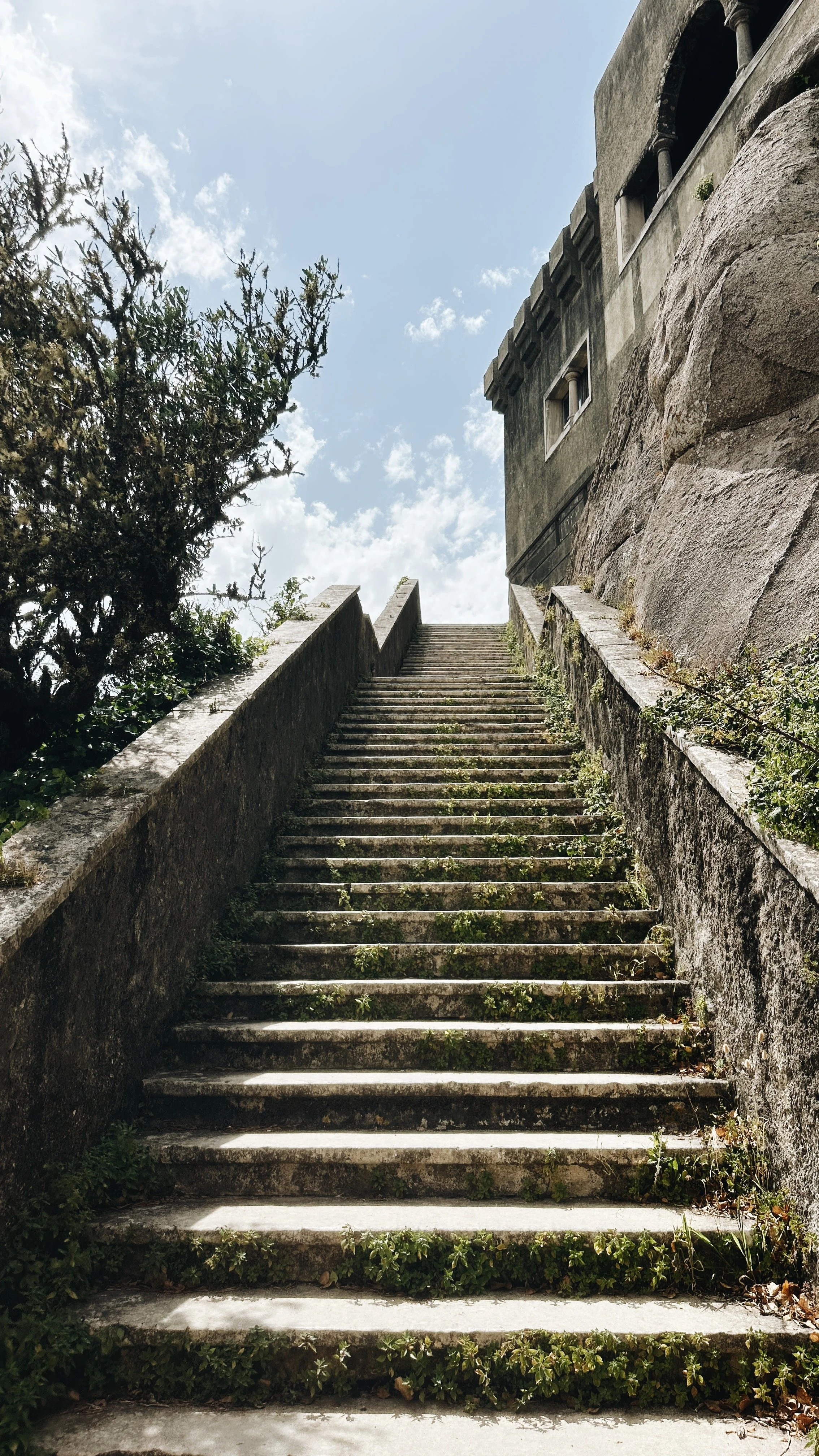
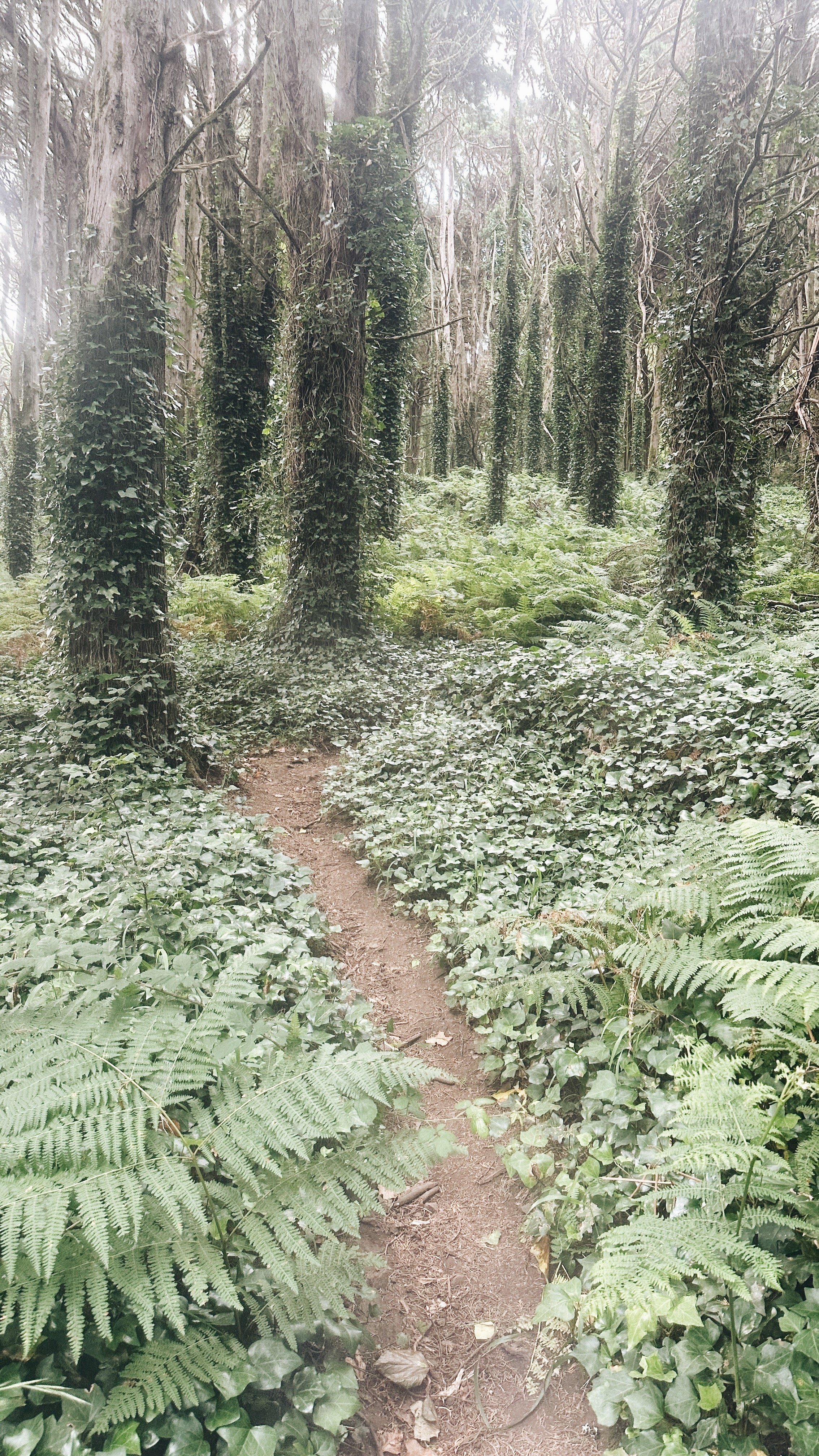
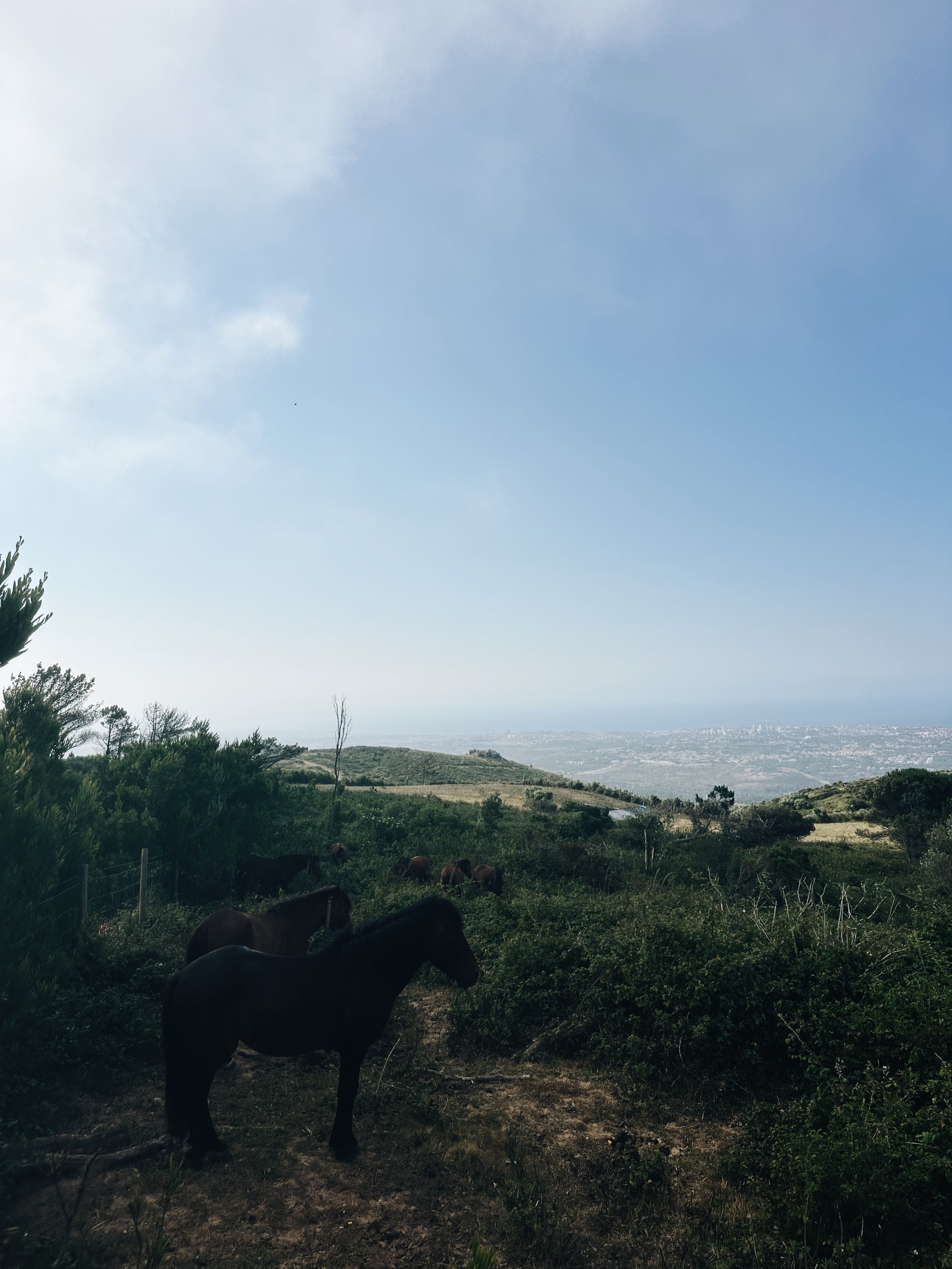
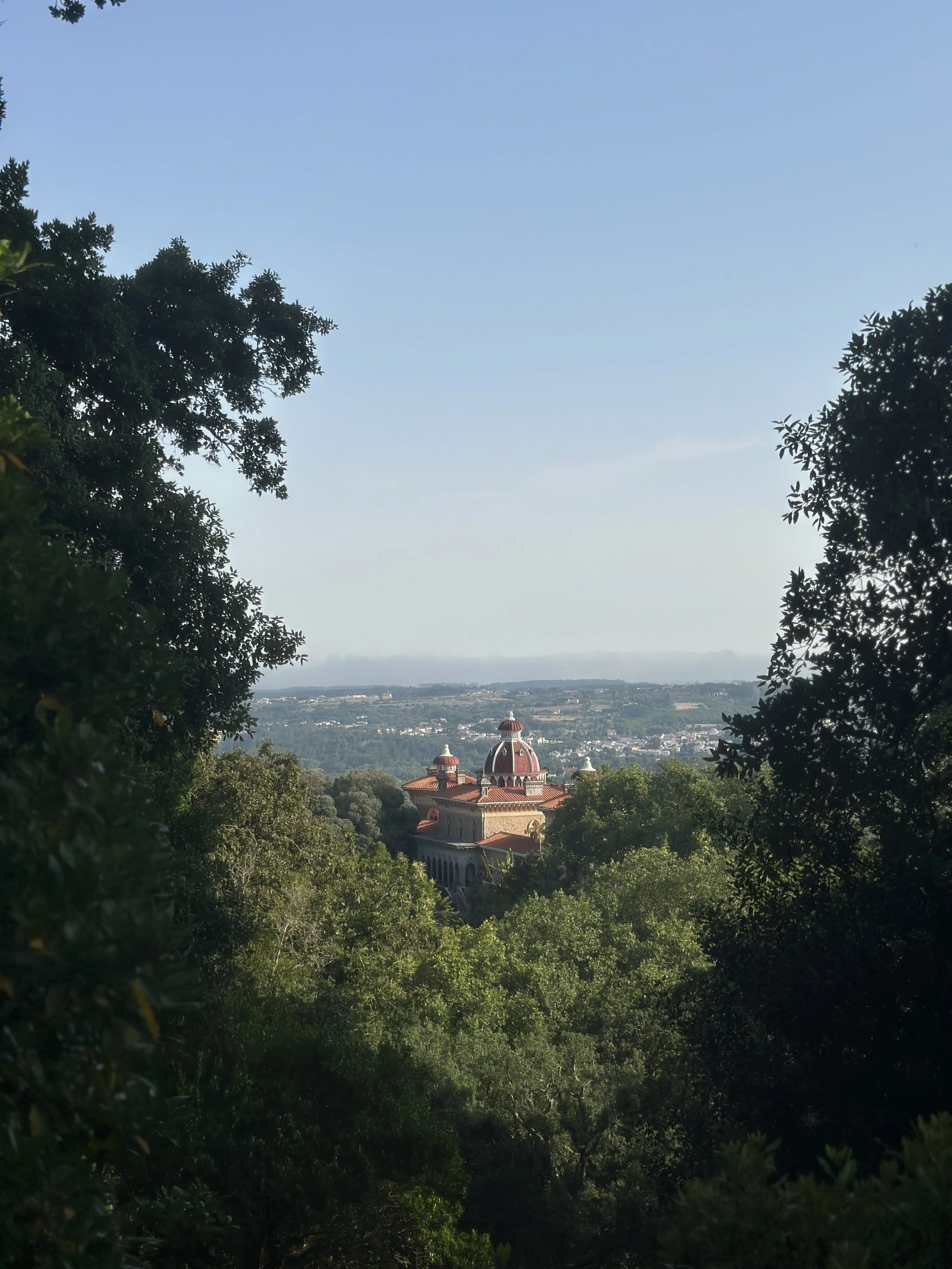
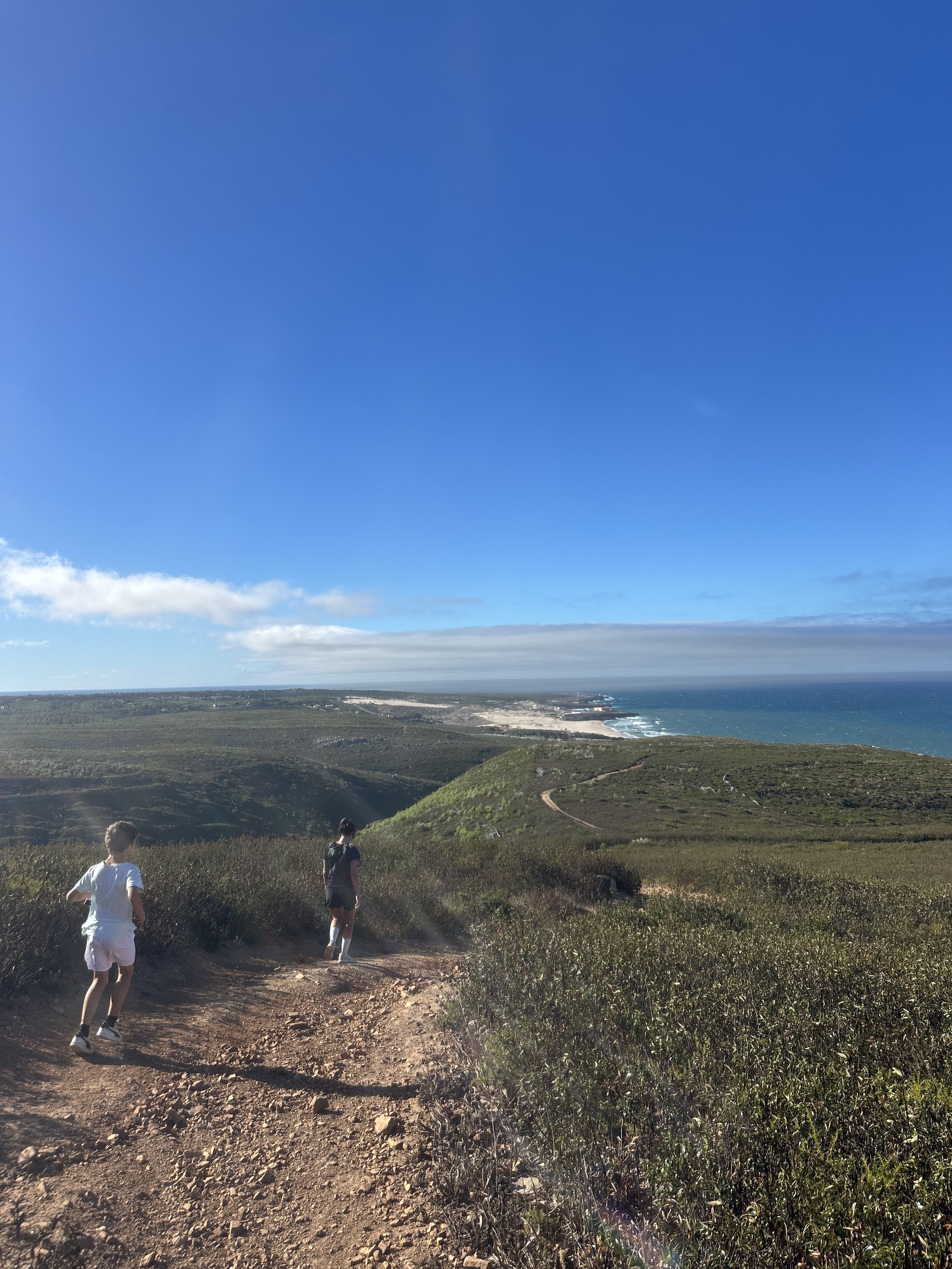
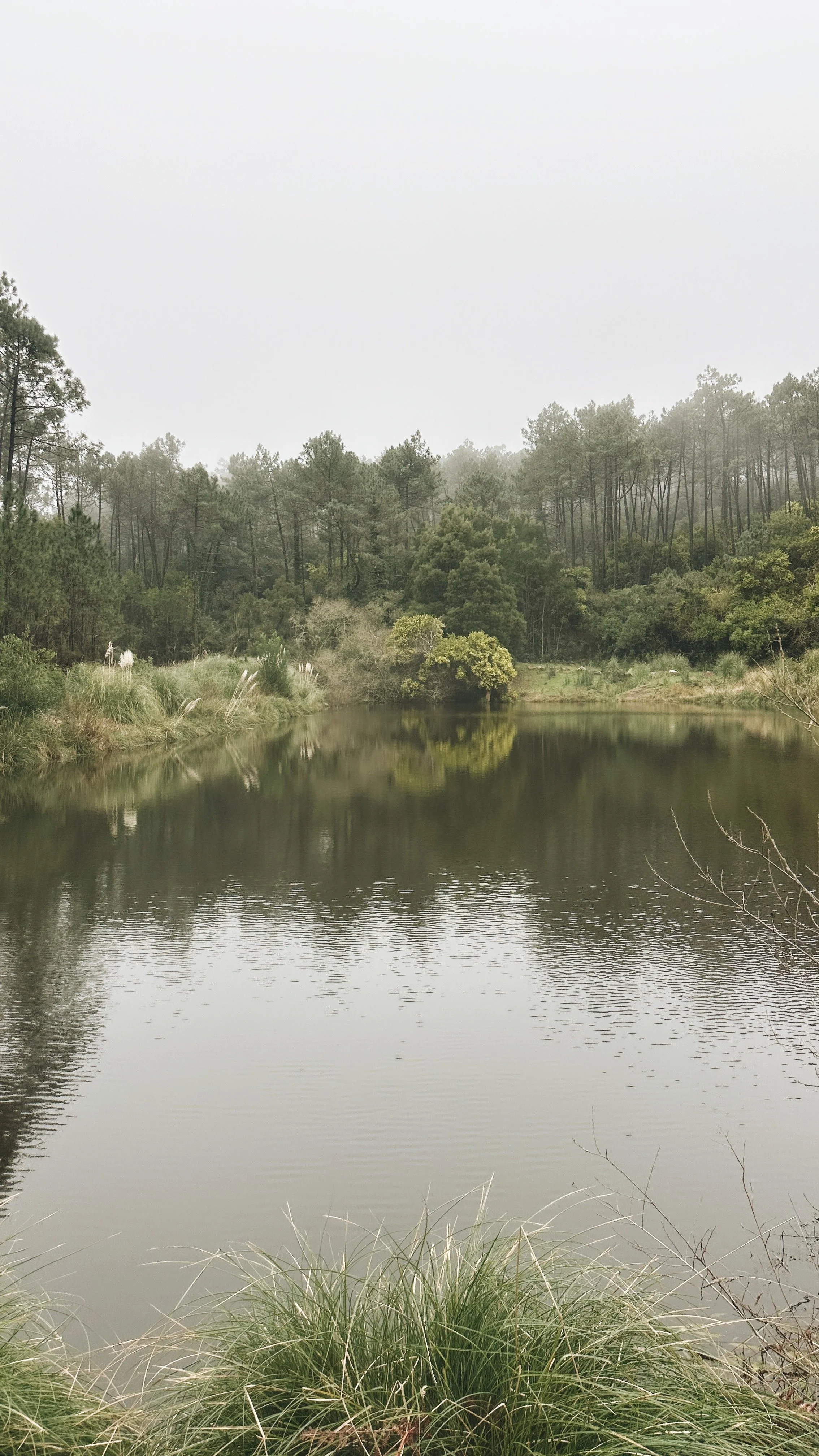
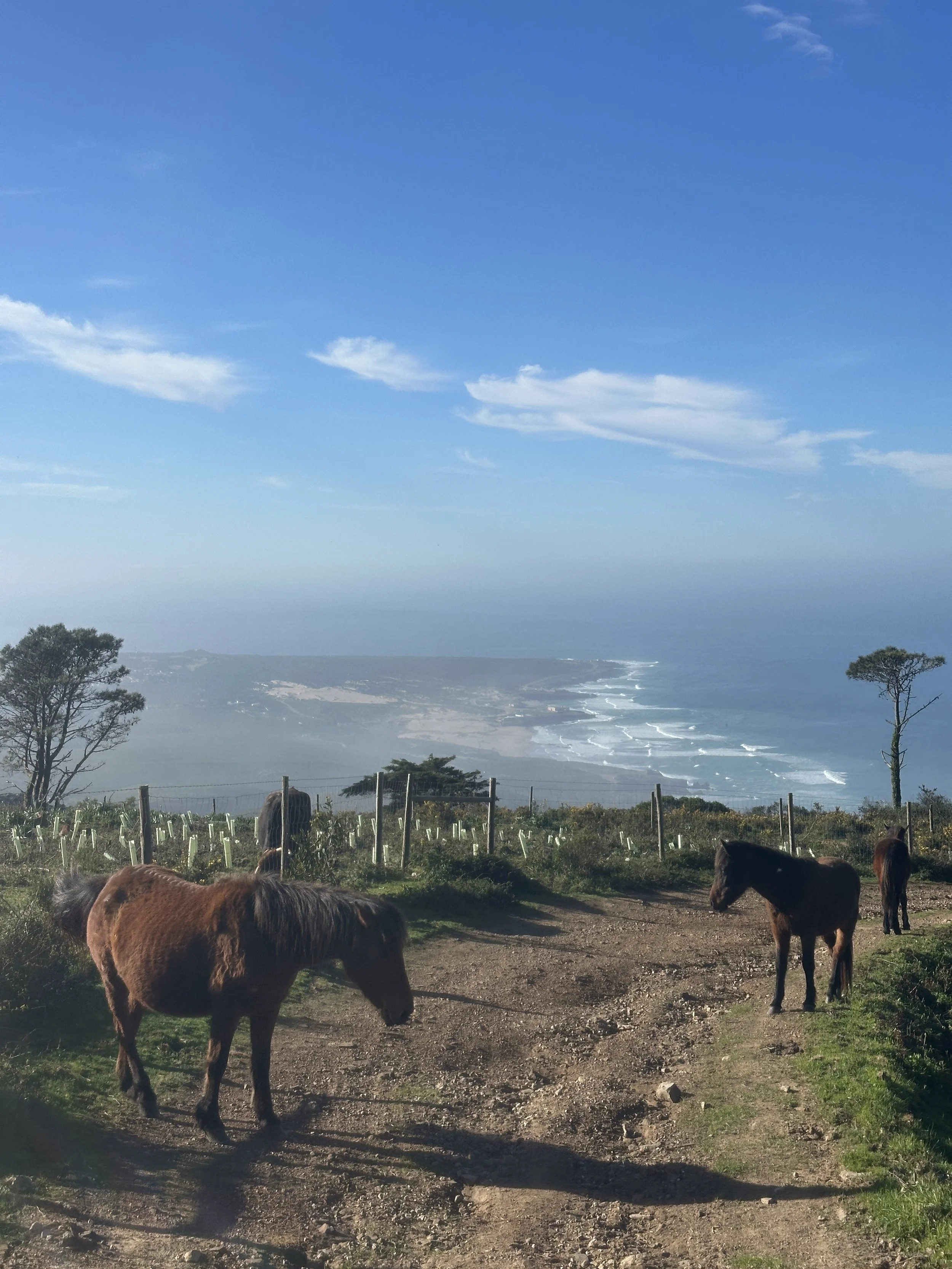
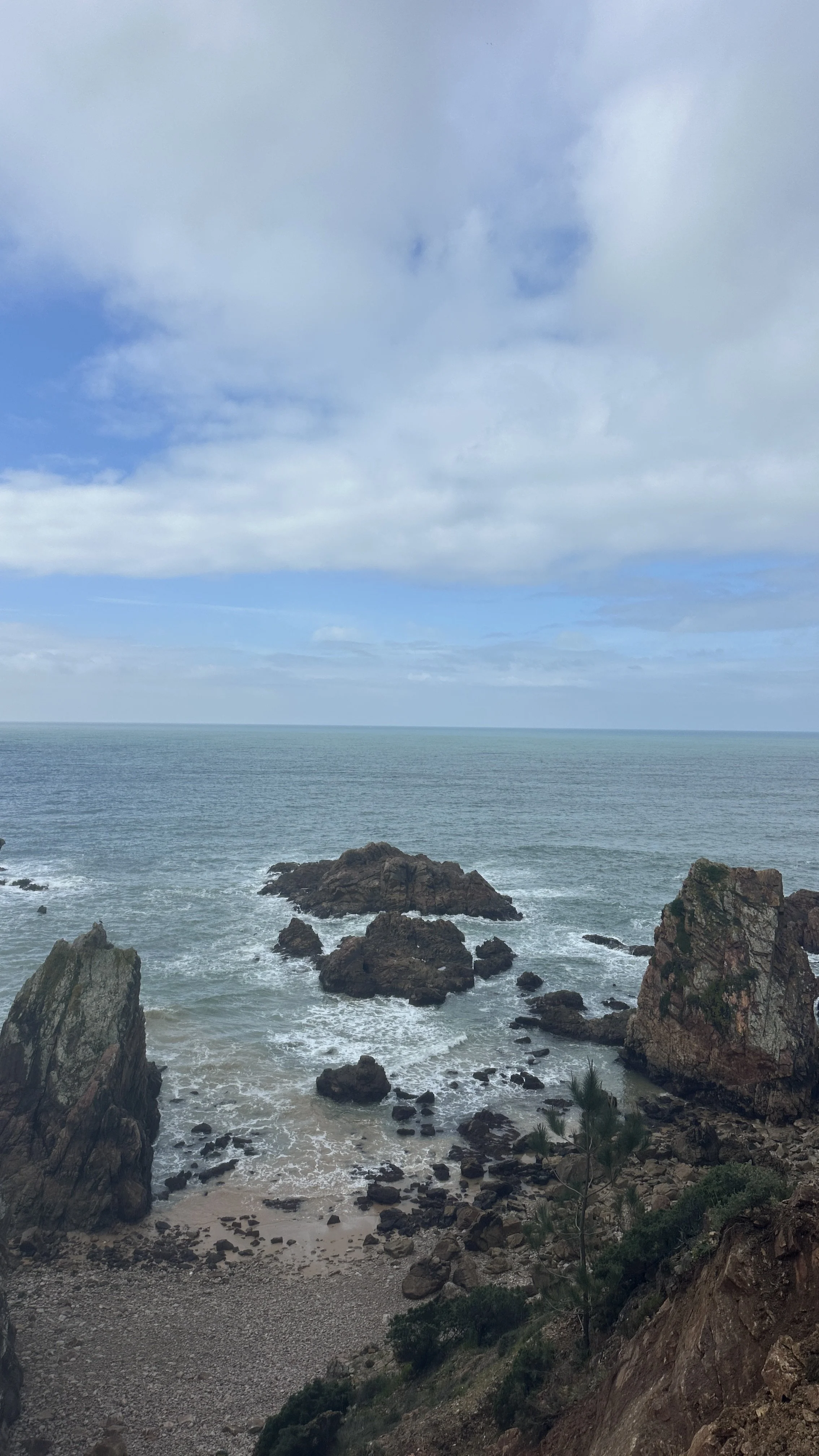
What makes Sintra truly unique is its beauty and contrast. Within a single run, it is possible to cross mist-covered forests, emerge onto ridgelines overlooking the ocean, pass beneath historic palaces and castles, and follow trails that disappear into deep green valleys. The landscape feels wild and untamed, yet it is also rich with history, culture and character. Few places offer such a diverse and visually striking environment within such a compact area.
For a challenge built around 1,000 kilometres in 10 days, we needed a location capable of offering both variety and consistency. Sintra gives us both. Its extensive trail network allows us to keep asphalt to an absolute minimum while creating routes that are physically demanding, visually diverse and deeply connected to nature.
That same diversity is what makes Sintra the perfect testing ground for the Kjerag 02.
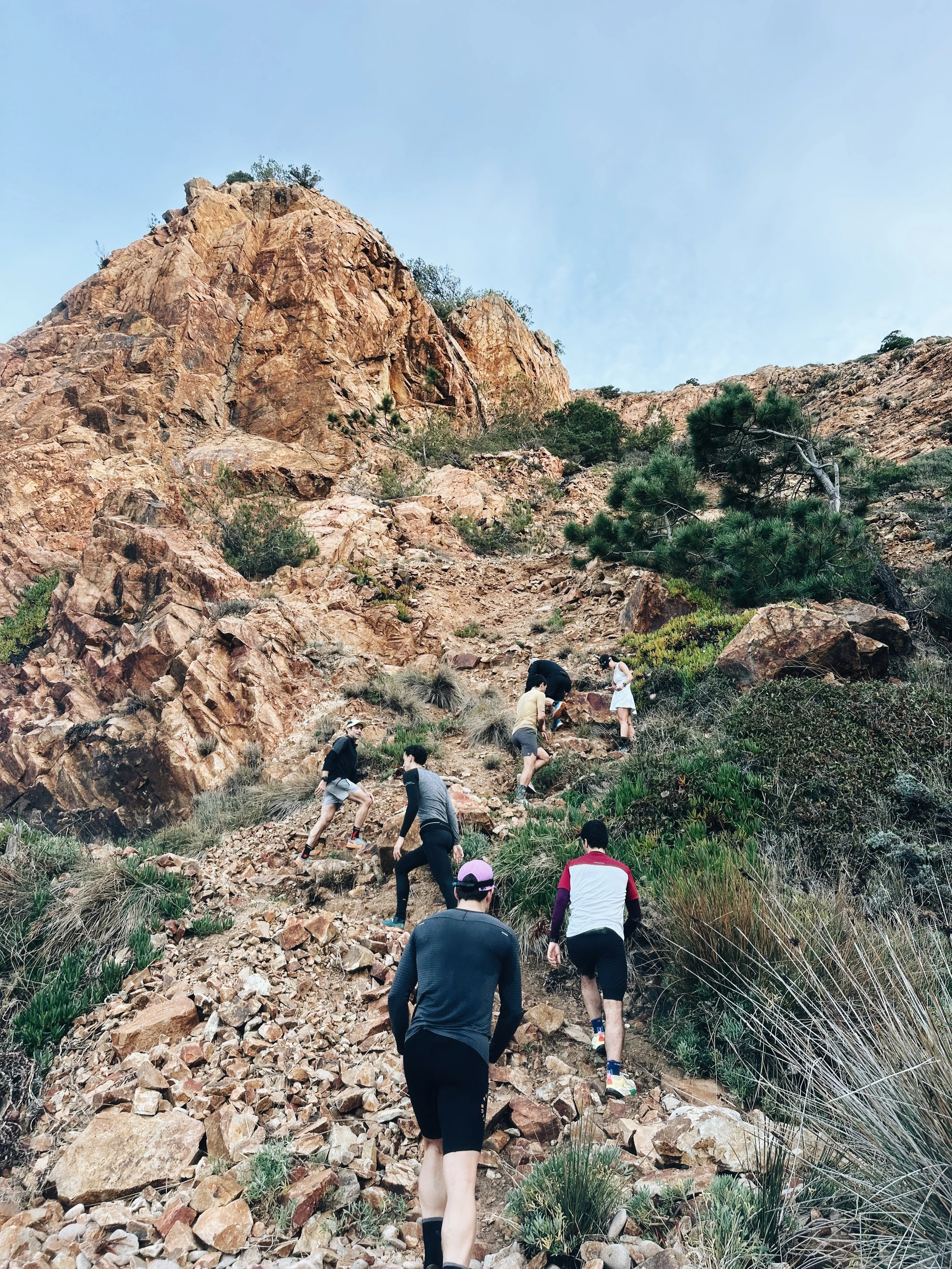
Across ten days and one thousand kilometres, the shoes will encounter almost every type of terrain the mountain can offer: technical rocky sections, root-filled forest trails, steep climbs, fast fire roads, coastal paths, muddy segments, wet stone and flowing single track. The challenge is not only about distance; it is about exposing the shoes to a constantly changing environment and asking them to perform day after day without compromise.
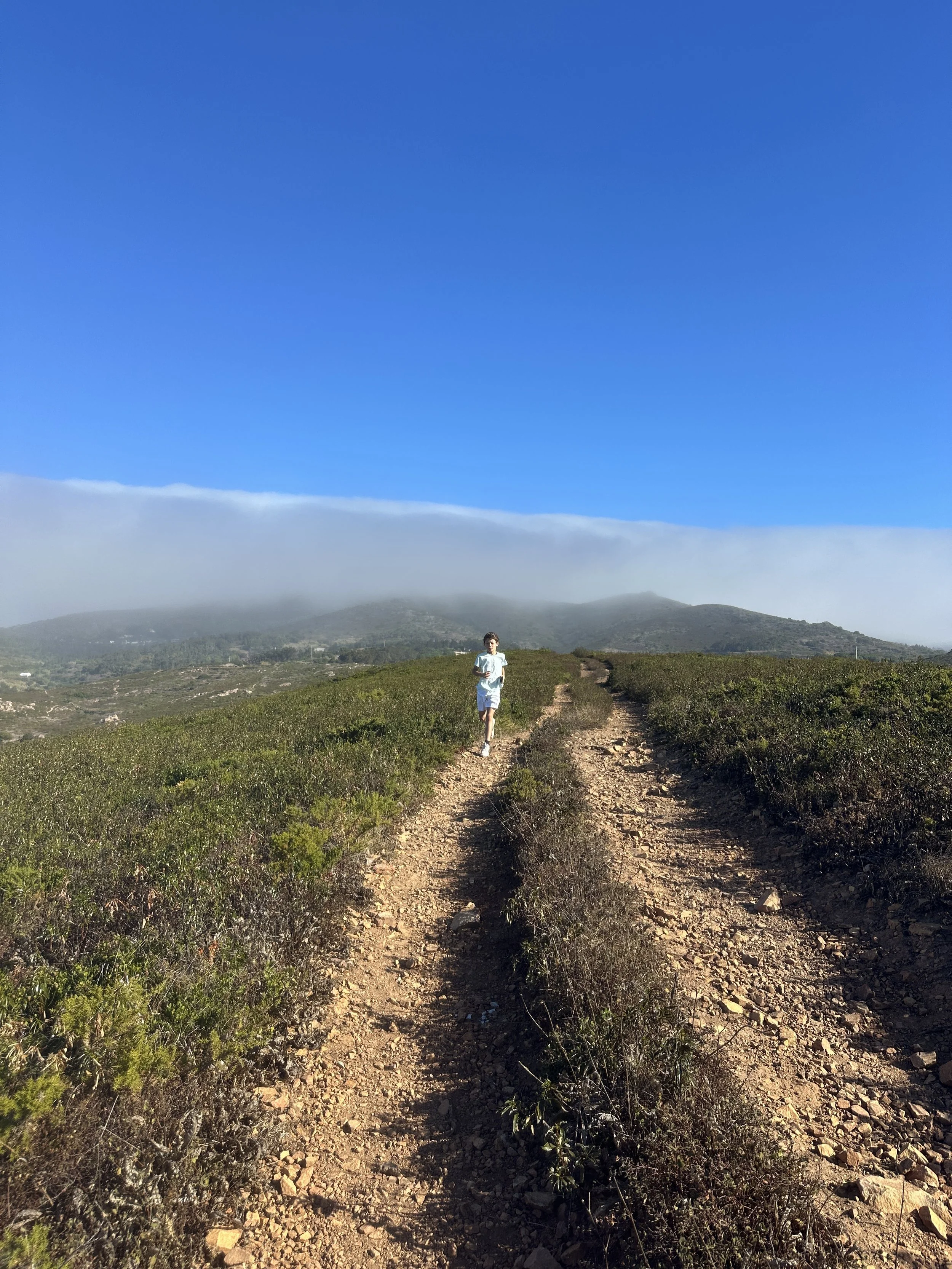
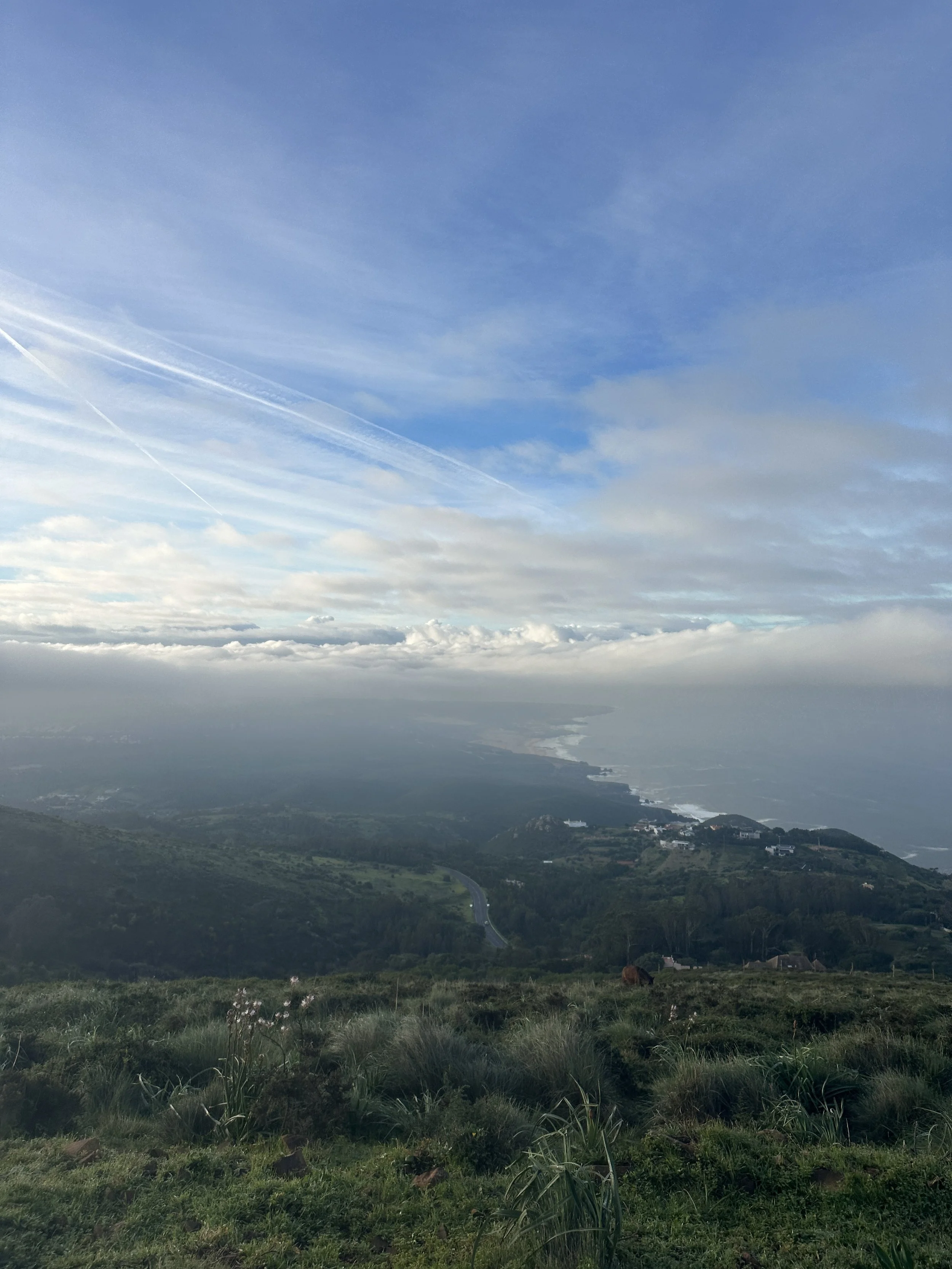
The Atlantic climate adds another layer to the test. Morning fog, humidity, changing temperatures and occasional wet conditions will continuously challenge grip, comfort and adaptability. A shoe that performs well in Sintra must be capable of handling a wide range of conditions within a single run.
As we move through the challenge, some trails will inevitably be revisited. But that is part of the project. In Sintra, repetition never feels repetitive. The mountain changes constantly. The morning fog rolling in from the Atlantic, the shifting light through the forest, the changing weather and the colours of the landscape create a different experience every time we pass through the same place.
It also allows us to evaluate not only performance, but consistency. How does the shoe feel after hundreds of kilometres? How does it respond when fatigue starts to build? How does it perform on day ten compared to day one?
For us, this is the ultimate test of the Kjerag 02. Not a single race, not a single long run, but ten consecutive days of real trail running. A test of durability, versatility, comfort and reliability in one of the most beautiful and varied trail running environments in Europe.
More than a route, this is a journey through a landscape that rewards curiosity, resilience and exploration. A place where every day starts at 6AM, every trail leads to another possibility, and every kilometre becomes part of a much bigger story.
This is why we chose Sintra.
How do you plan to manage the challenge? Tell us about recovery, food, sleep, transport and support crew, if applicable.*
A Simple and Sustainable Approach
Our approach is based on simplicity, consistency and efficient logistics.
Sintra is the perfect environment for this challenge because it offers an extensive network of interconnected trails within a relatively compact area. This allows us to cover significant distances while always remaining close to our support base and key resupply points.
We plan to operate from a central base in Malveira da Serra, located at the heart of the trail network. This will serve as our daily hub for recovery, nutrition, equipment changes and logistical support. Starting and finishing our days from the same location allows us to minimise unnecessary transport, simplify planning and focus our energy on running.
The Relay Strategy
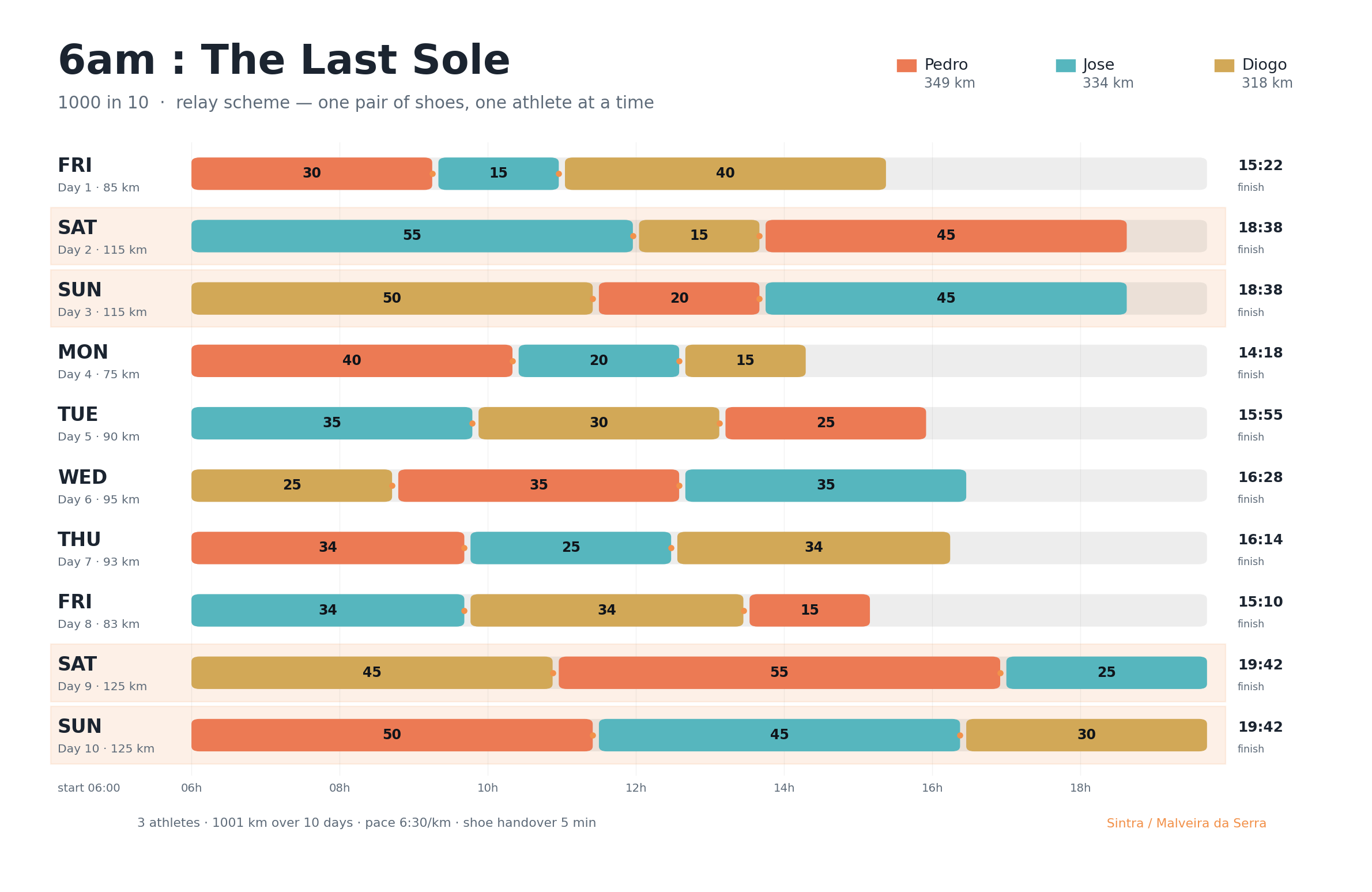
To maximise efficiency, we intend to complete the challenge using a relay-style approach. By dividing the route into multiple sections, each runner can focus on their assigned distance and manage smooth transitions between legs. This format keeps the project dynamic, allows for continuous movement and makes recovery between efforts more effective.
The challenge structure has been designed together with our coach Alexandres Blasques - https://themountaingoat.pt/ - to balance performance, recovery and real-life availability across the ten days. Rather than assigning the same distance to each athlete every day, we have created a relay schedule that distributes the workload strategically throughout the project.
Daily distances vary according to the overall demands of each stage, individual recovery requirements and the need to maintain a sustainable effort across the full 1,000 kilometres. While each athlete will ultimately contribute a similar share of the total distance, the focus is on optimising the team's performance rather than following a rigid daily target.
The relay format allows one athlete to run while the other two recover, refuel and prepare for their next day. Running blocks are expected to last between approximately two and six hours depending on distance, elevation and terrain, with the challenge operating between roughly 6AM and 8PM each day.
This structure gives us the flexibility to adapt to weather, fatigue and trail conditions while preserving the consistency needed to successfully complete the project. Combined with Sintra's compact trail network and our central support base in Malveira da Serra, it provides an ideal balance between ambition, recovery and long-term sustainability.
Nutrition and Hydration
Nutrition and hydration will be carefully planned around the transition points. Breaking the route into smaller segments enables regular access to food, fluids and equipment.
In addition, Sintra offers several natural water springs throughout the mountain, providing reliable opportunities to refill water while remaining connected to the environment we are running through.
Recovery First
One of the key advantages of choosing Sintra is that all three athletes live close to the mountain. This allows us to combine the challenge with the comfort and practicality of home-based recovery. Instead of spending valuable recovery time travelling or managing complex logistics, we can return home each day, maximise sleep quality, maintain our normal routines and start every morning fully prepared for the next stage.
Recovery will be treated as seriously as the running itself. Between running blocks, athletes will focus on refuelling, hydration, mobility work and rest. Having a fixed base allows quick access to dry clothing, shoe changes and recovery equipment, helping us manage fatigue and maintain consistency throughout the ten days.
In addition to our daily recovery routines, each athlete will receive at least two sports massage sessions with our friend Jorge Silva at https://www.instagram.com/jsilva.massagem/ during the project, alongside dedicated physiotherapy sessions with Filipe Rodrigues at http://fisiospot.pt/ to monitor muscle fatigue, address any emerging issues and support injury prevention. Our goal is not only to complete the challenge but to maintain a high standard of movement and recovery from the first kilometre to the last.
Sleep will be a protected priority throughout the project. By keeping logistics simple and avoiding long daily transfers, we can maximise recovery time and ensure each athlete starts the following day in the best possible condition.
Community Support
Another important strength of the project is the community around it. The three athletes are part of a larger running group that regularly trains together in Lisbon and Sintra. Throughout the challenge, members of the group will be able to join different sections of the route, providing company, motivation and practical support along the way.
This will help maintain morale during the more demanding stages and transform the challenge from a purely individual effort into a shared experience rooted in community.
Why This Matters
What makes this project meaningful to us is that none of us are professional athletes. We are simply three runners who have built our lives around a shared love for the trails. We balance training with work, family and everyday responsibilities, just like thousands of runners around the world.
The challenge is not about extraordinary talent or chasing records; it is about showing what ordinary people can achieve through consistency, friendship and a long-term commitment to the sport.
In many ways, this is what makes the project relatable. We believe many runners will recognise themselves in our reality: early alarms, training before work, squeezing runs between responsibilities and finding motivation through the people around us.
If we succeed, we hope to demonstrate that ambitious adventures do not belong only to elite athletes. They can also belong to ordinary runners willing to dream big, plan carefully and take the first step.
Why Sintra
One athlete runs, one pair of shoes moves forward, while the rest of the team prepares for the next handover.
One of the strengths of choosing Sintra is precisely this balance between adventure and practicality. The mountain offers world-class trail running, technical terrain and incredible variety, while its accessibility makes it possible to build a sustainable and well-supported 1,000-kilometre challenge.
For us, successful completion will not depend on complexity, but on smart planning, efficient teamwork, strong community support and the ability to recover well enough to repeat the process every day for ten consecutive days.
The Relay Strategy
Ok, ok, but why you? Tell us about your running story and why you feel aligned with NNormal’s values.*
We are not just three runners applying for a challenge. We are three friends who belong to a larger community built around a simple ritual: running at 6AM.
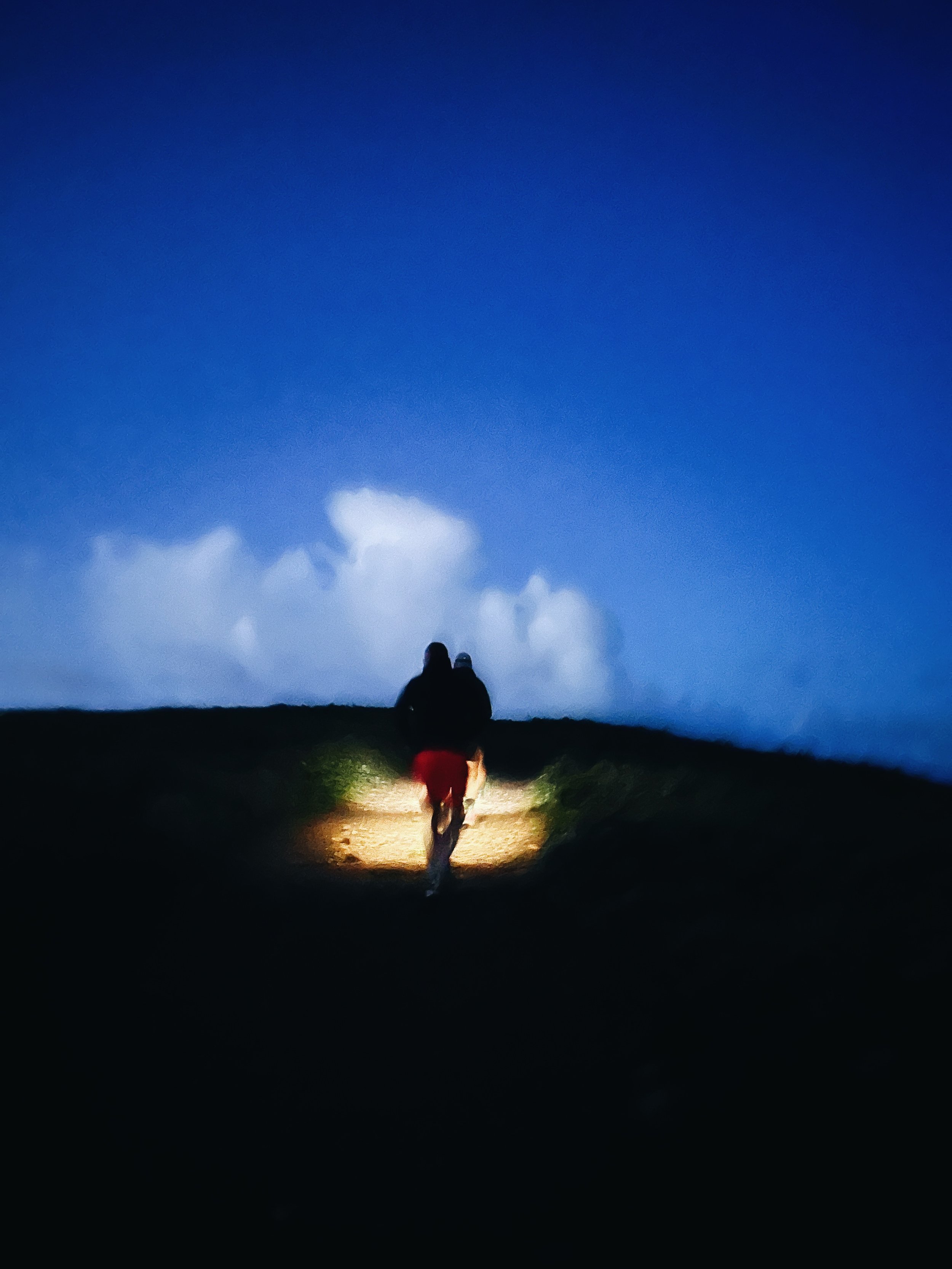
Every day, before the city fully wakes up, we meet to run. Sometimes along the Tagus river, sometimes in Monsanto, and whenever possible in Sintra. What started as training became something much stronger: friendship, consistency, discipline and a shared way of connecting with each other and with the places around us.
Sintra has a special place in our story. We all live close to the mountain, and it is not only where we train. It is where we spend time with our families, where we return on weekends, where we know the trails, the weather, the views and the quiet corners of the forest. For us, Sintra is not just a beautiful location for a project. It is part of our lives.
Trail running entered our group strongly through José, the most experienced trail runner among us, with several MIUT finishes and other epic mountain races in his background. His experience helped bring the mountain closer to the group and inspired us to explore more technical terrain, longer efforts and bigger challenges.
Over time, our progression has also been guided by our coach, Alexandre Blasques, The Mountain Goat. His trail-focused approach has helped us grow in a sustainable, efficient and intelligent way. With his support, we believe we can build a project that respects the athletes, the terrain and the scale of the challenge.
What makes this project particularly meaningful is that none of us are professional athletes. We are ordinary runners with full-time jobs, family responsibilities and busy lives. Like so many people in the trail running community, we train before work, after work and whenever we can find the time. The 6AM runs are not a marketing concept; they are simply how we make running fit into our lives.
We believe this makes the challenge more relatable and, in many ways, more representative of the people who actually use NNormal products. We are three different runners with different strengths, backgrounds and running styles. Over the course of 1,000 kilometres, the Kjerag 02 will experience different paces, different movement patterns, different levels of fatigue and different approaches to trail running.
That diversity creates a unique test. Not one elite athlete running at maximum performance for a single race, but three committed runners using the same equipment day after day in real-world conditions. We believe that tells a more complete story about durability, reliability and long-term performance.
We feel aligned with NNormal because we share the same belief that running is not only about performance. It is about durability, respect for nature, simplicity, community and spending meaningful time outdoors. NNormal's commitment to creating long-lasting gear, reducing waste and inspiring people to enjoy and respect nature strongly connects with the way we experience running.
This challenge is not about proving that we can suffer for 1,000 kilometres. It is about showing what consistency, friendship and connection to a place can create. It is about returning to the same mountain every day, taking care of our bodies, our equipment and our environment, and moving through Sintra with respect.
We believe we are the right team because this project already reflects who we are: early mornings, shared kilometres, mountain trails, family, community and a deep connection to the place where the challenge will happen.
Our goal is not to show what exceptional athletes can do. It is to show what ordinary runners can achieve when they commit to an extraordinary challenge together.
During the challenge, you’ll document the journey for NNormal’s TikTok and Strava channels. Do you have experience filming content while running or outdoors? How would you approach it?*
Yes. While none of us are full-time content creators, documenting our runs and outdoor experiences is already part of how we engage with the sport.
Pedro Homem, one of the athletes, is an architect with a strong interest in photography and visual storytelling. He regularly captures photos and videos during training sessions and trail adventures, particularly around Sintra. While most of this content is shared informally through Instagram Stories rather than produced for large audiences, it has helped develop an eye for composition, light, landscapes and authentic moments in outdoor environments.
More importantly, our team benefits from professional communications expertise. Diogo Soares Coelho, one of the athletes, is Partner and VP Strategy & Operations at Republica45, a communications agency and production company specialising in strategy, content and digital communication. https://republica45.com/
The team at Republica45 ia able to support the project by helping us transform the raw footage and photographs collected throughout the challenge into high-quality content suitable for different platforms and audiences.
José Correia de Barros happens to be a genuinely good-looking guy, with impeccable running form and a natural ability to look remarkably comfortable in front of a camera.
Our content strategy would combine two complementary approaches.
The first is real-time, authentic storytelling. Throughout the challenge, we would capture and share content directly from the trails: short videos, athlete perspectives, transitions between stages, weather conditions, recovery moments and the daily reality of covering 1,000 kilometres in ten days. This would provide an honest and immediate view of the experience, particularly suited to TikTok, Instagram Stories and Strava updates.
The second is more curated storytelling. At the end of each day, we would organise the best footage and images into daily recaps, short edits and visual summaries that help tell the broader story of the challenge. These pieces would focus not only on the running itself, but also on the landscapes of Sintra, the recovery process, the team dynamic, the community support and the emotional progression of the project over the ten days.
Because the challenge takes place in a relatively compact area, we will also be able to position support crew and collaborators at selected locations throughout the route. This creates opportunities to capture footage from unique viewpoints, technical trail sections, coastal landscapes, forest environments and key moments that would be difficult to document through athlete-held cameras alone.
Our goal is to create content that feels genuine and immersive, while maintaining a level of quality that reflects both the beauty of Sintra and the values of NNormal. We want people following the challenge to feel like they are experiencing the journey with us, not simply watching it from the outside.
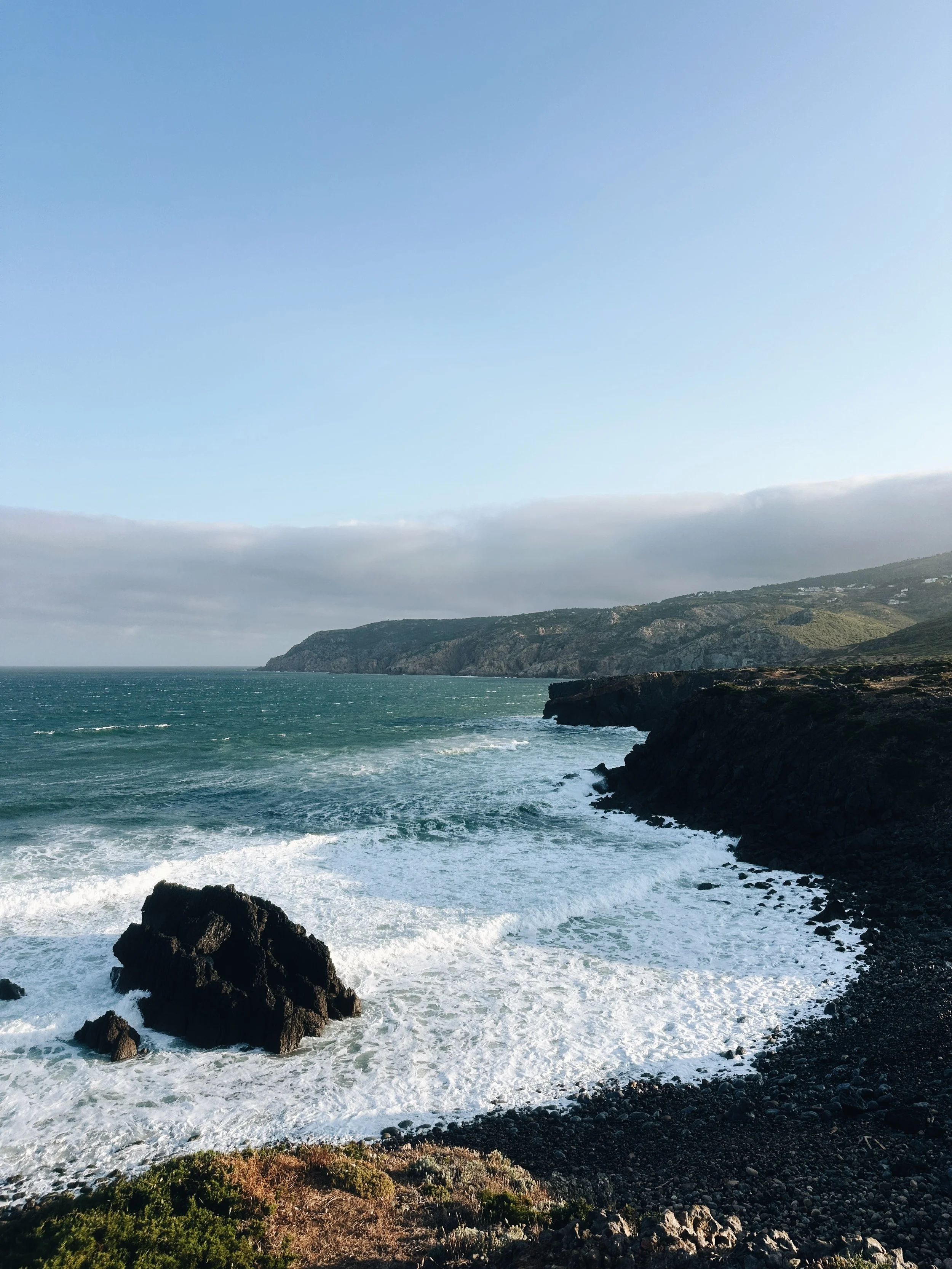
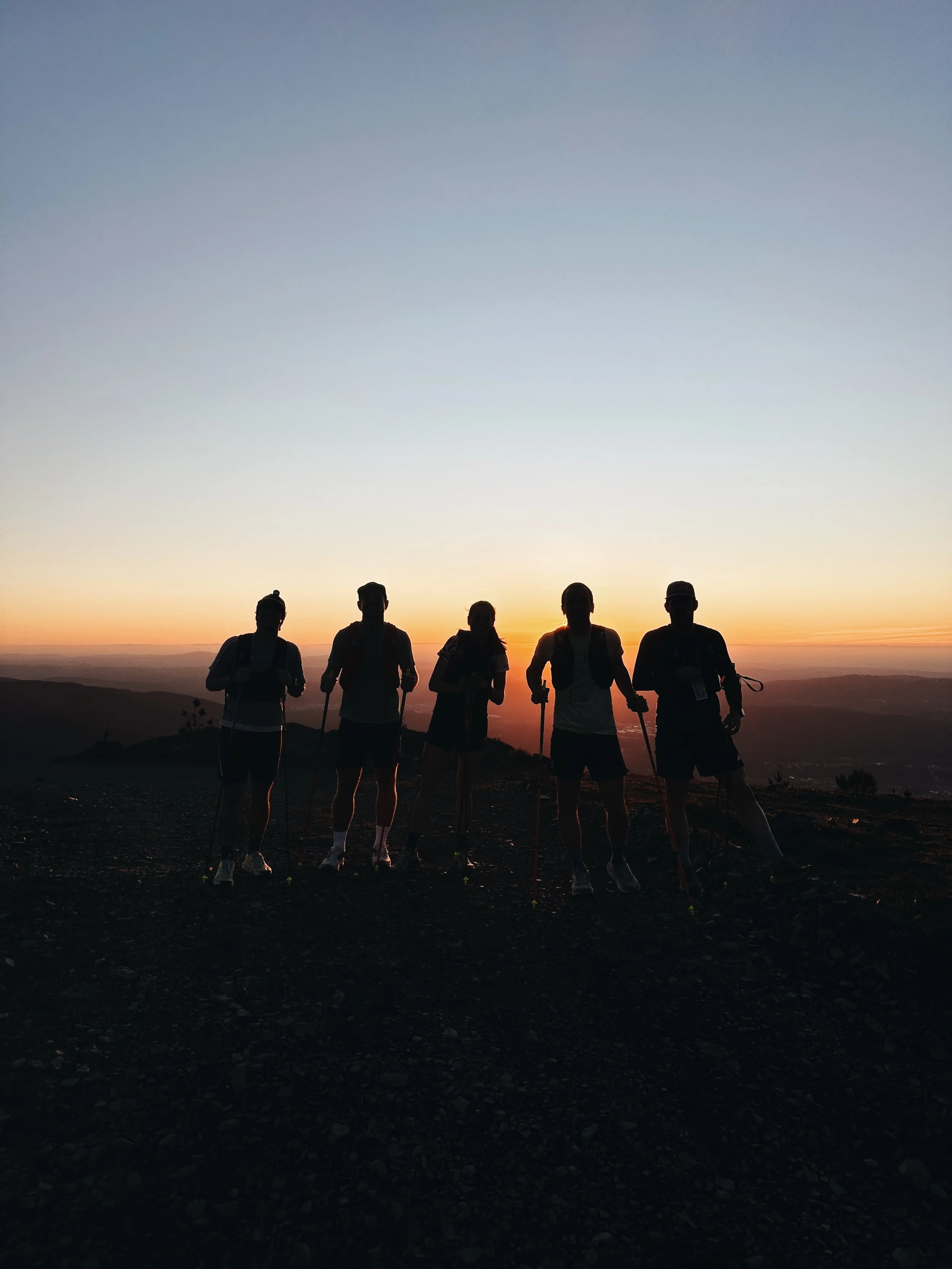
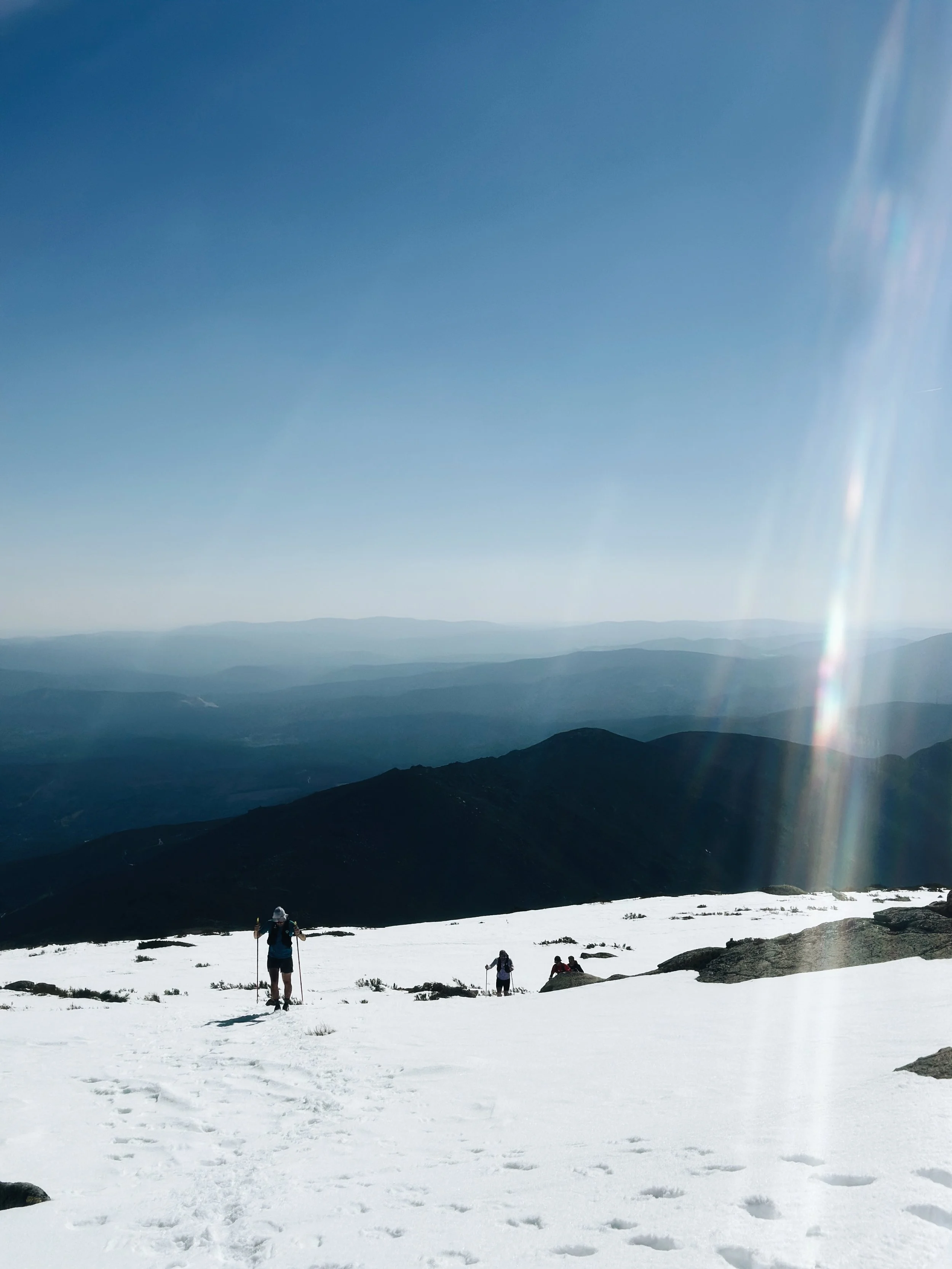
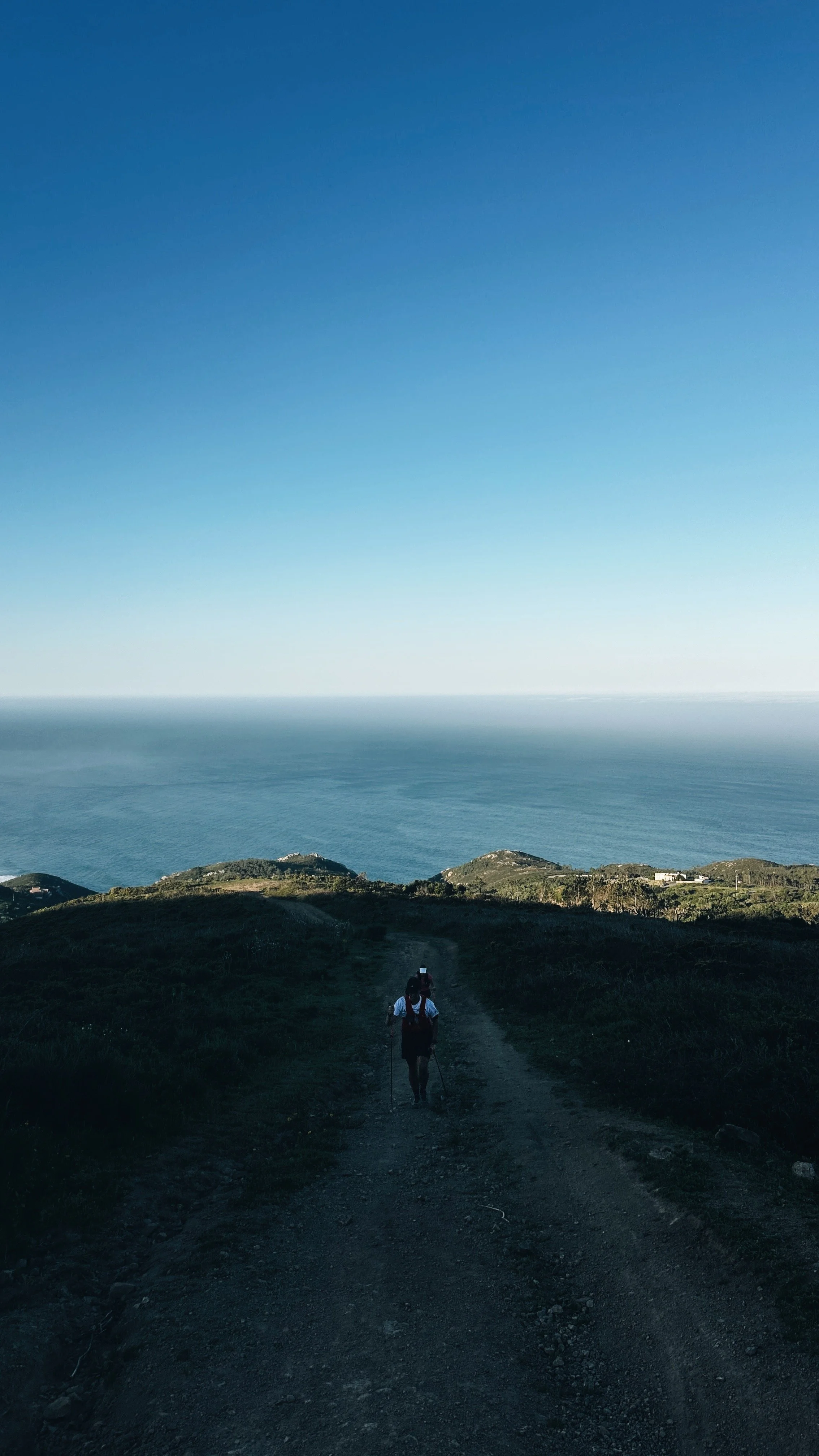
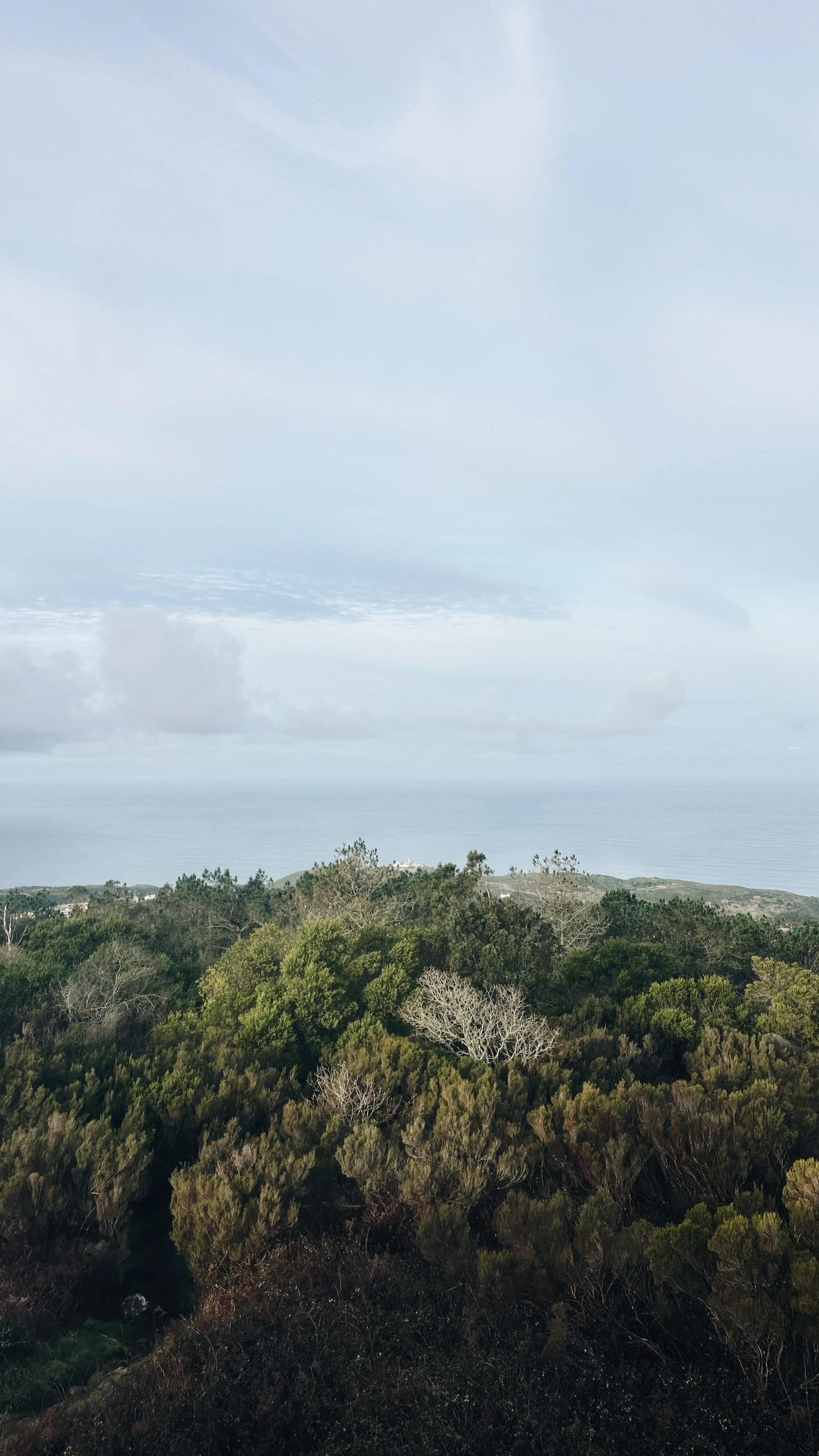
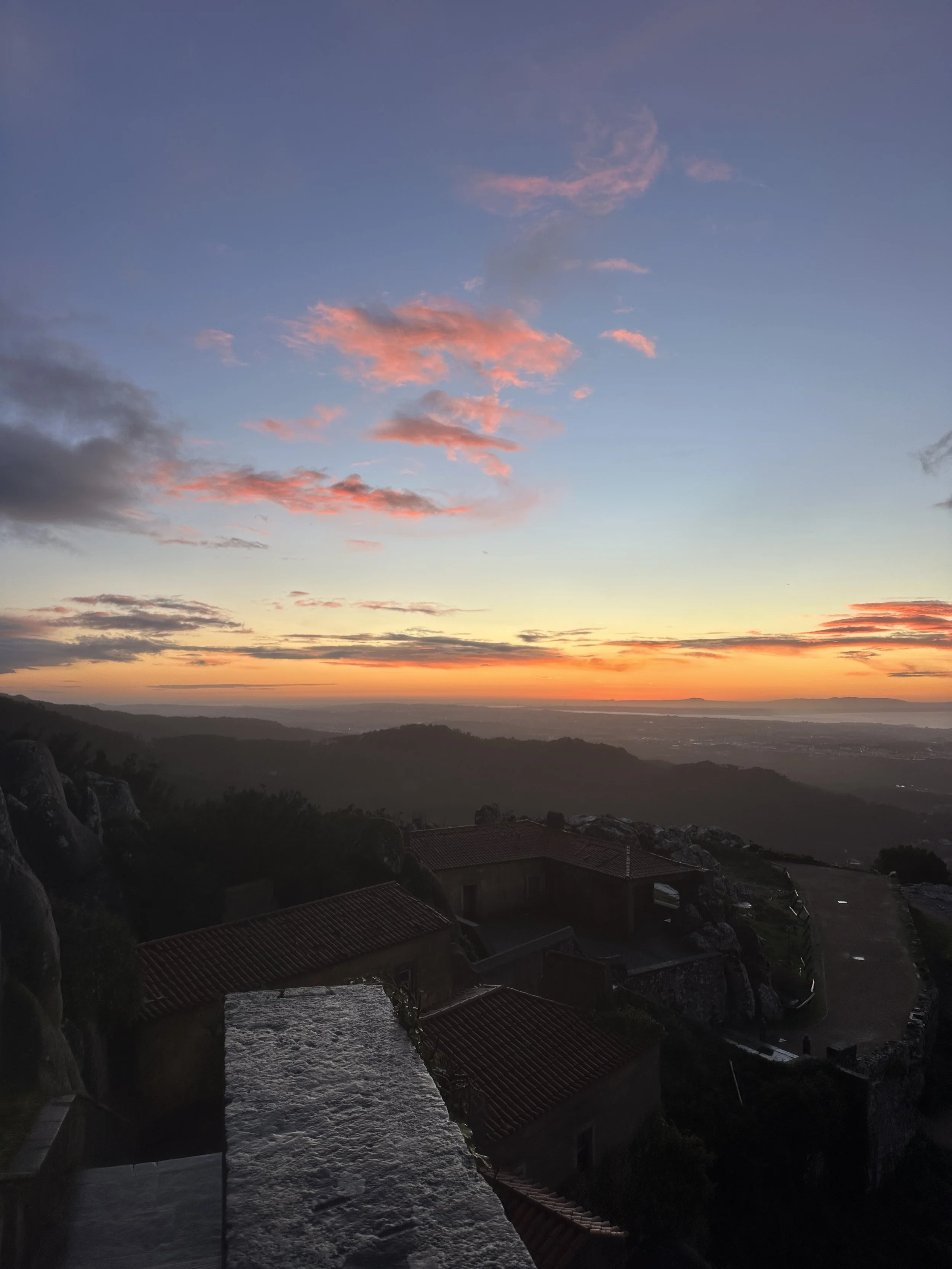
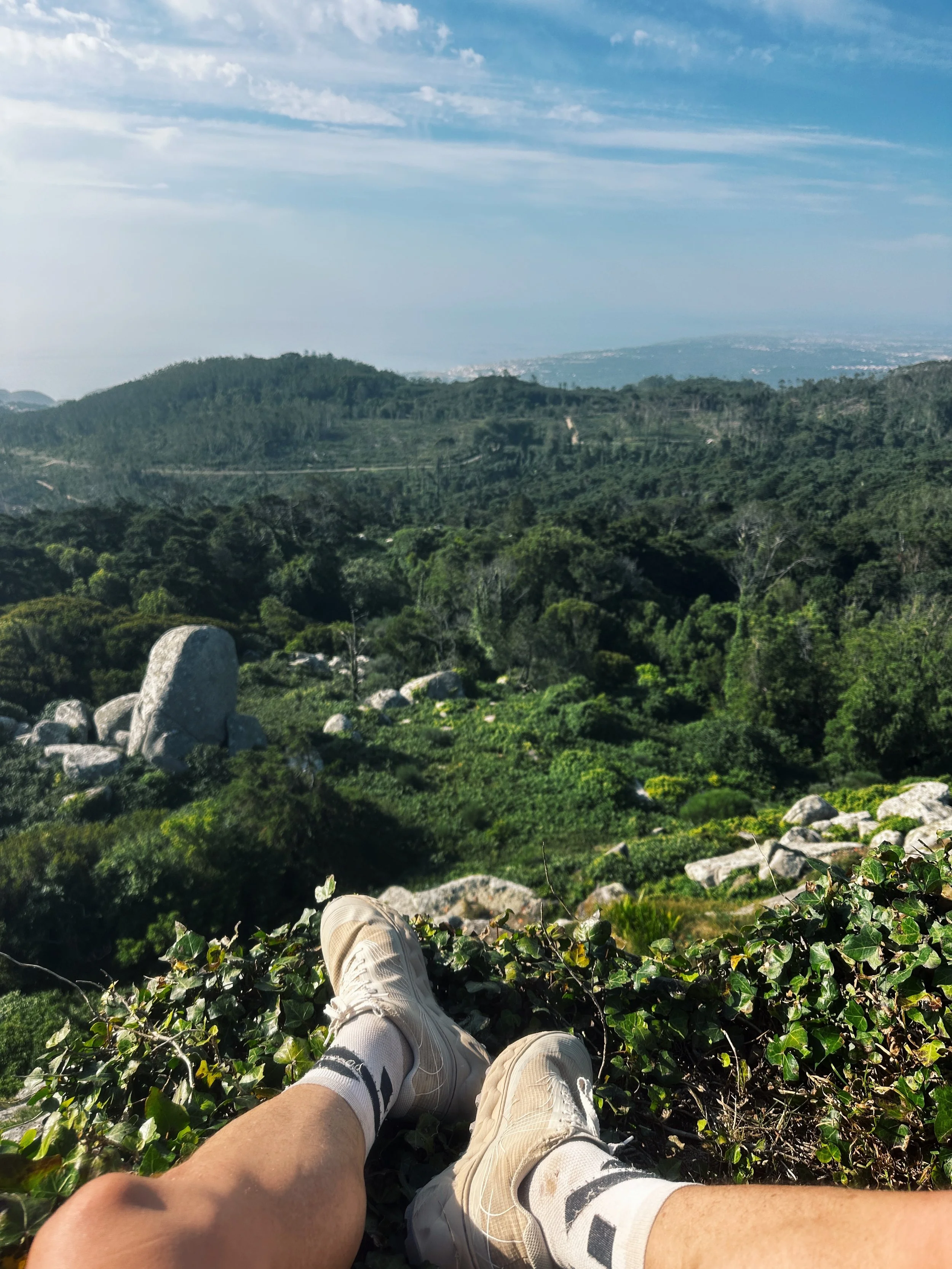
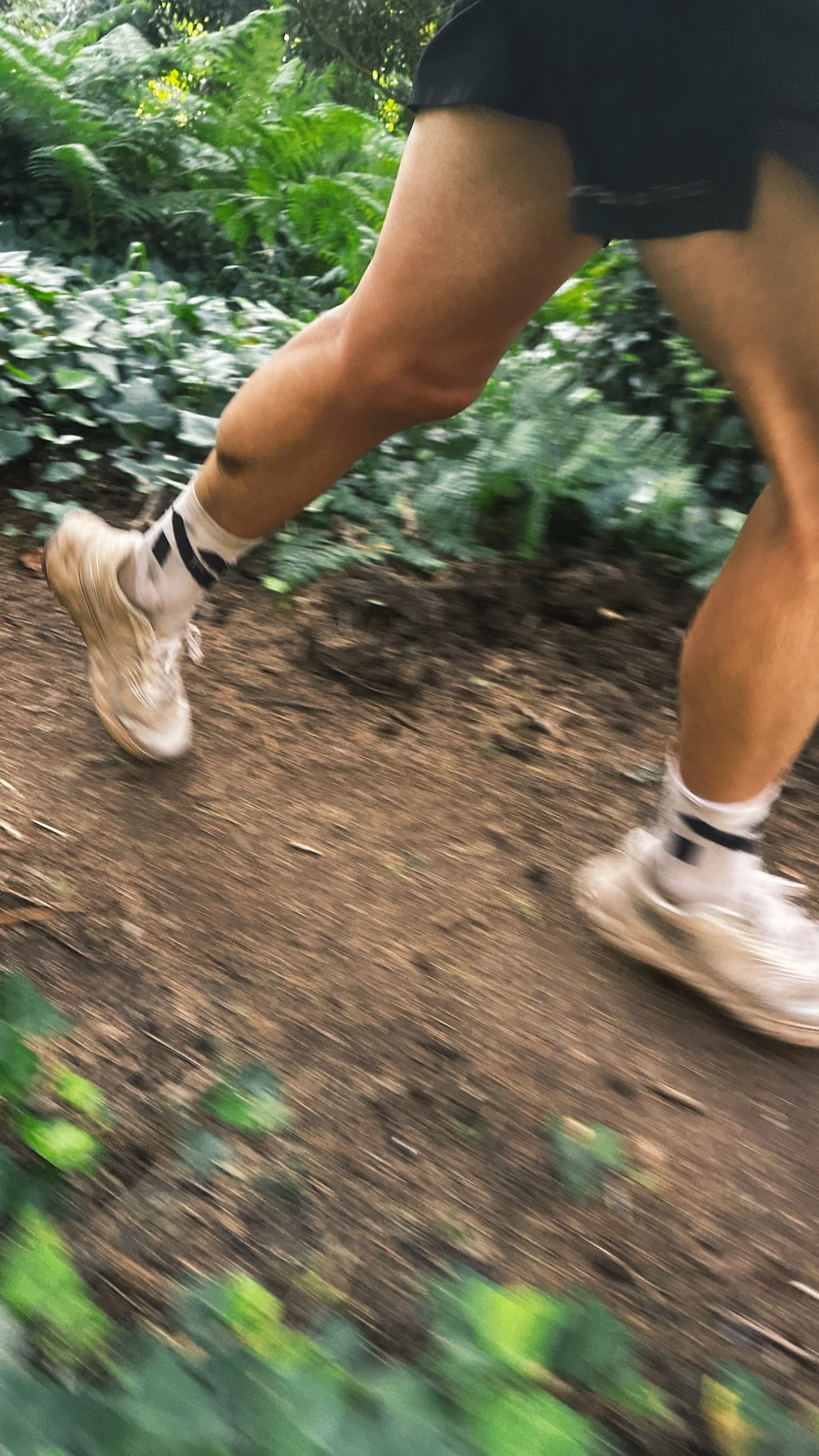
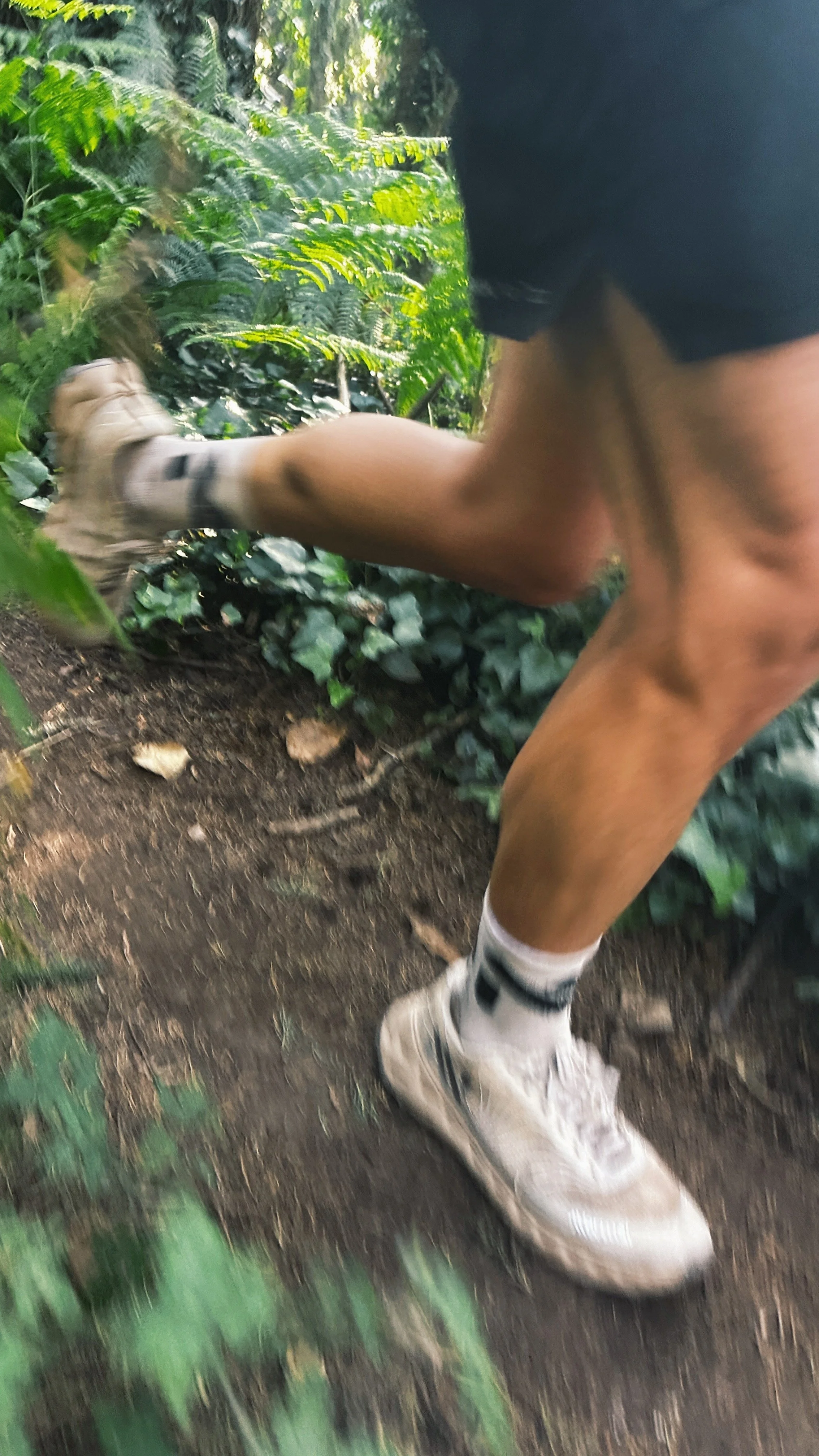
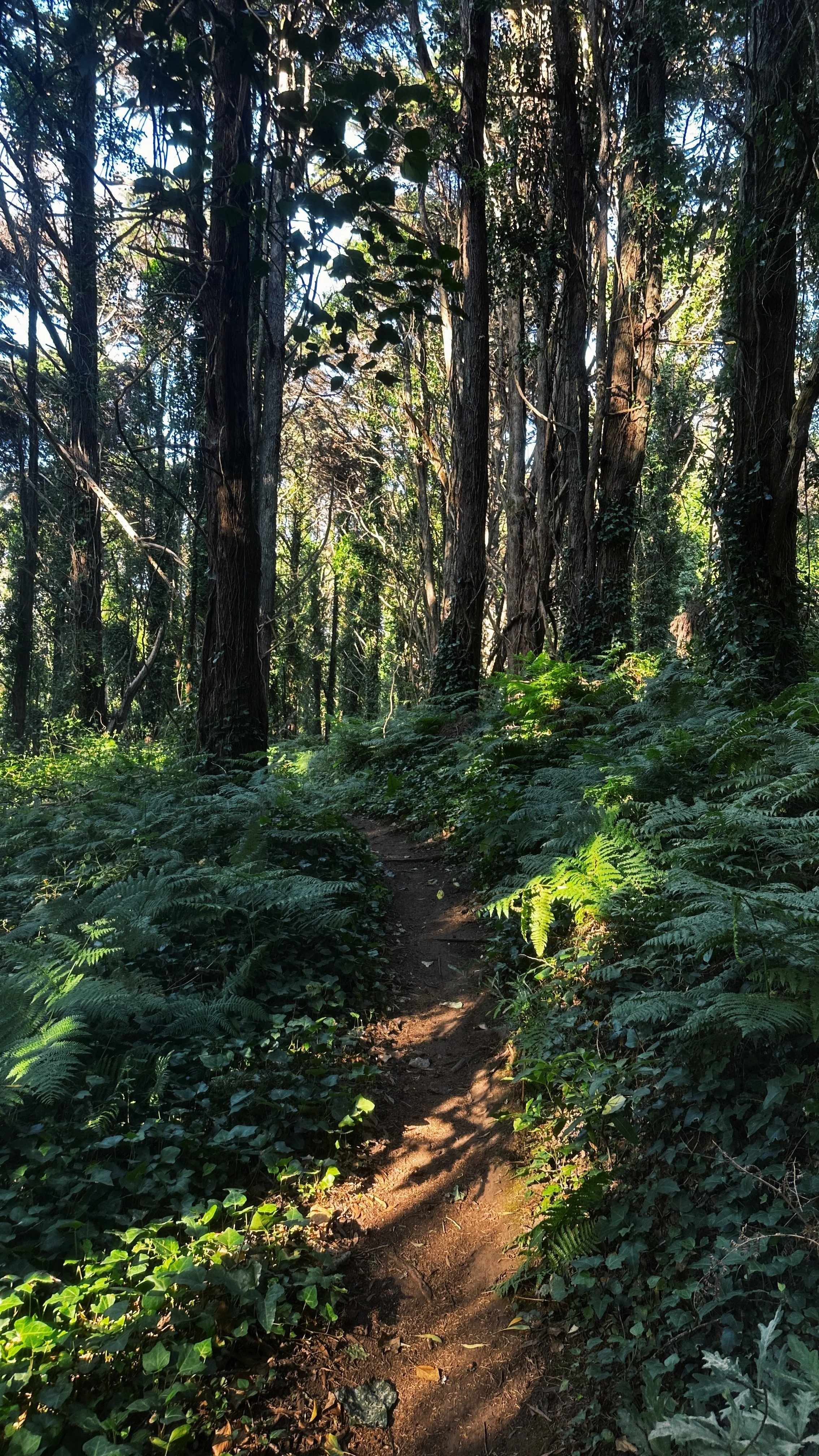
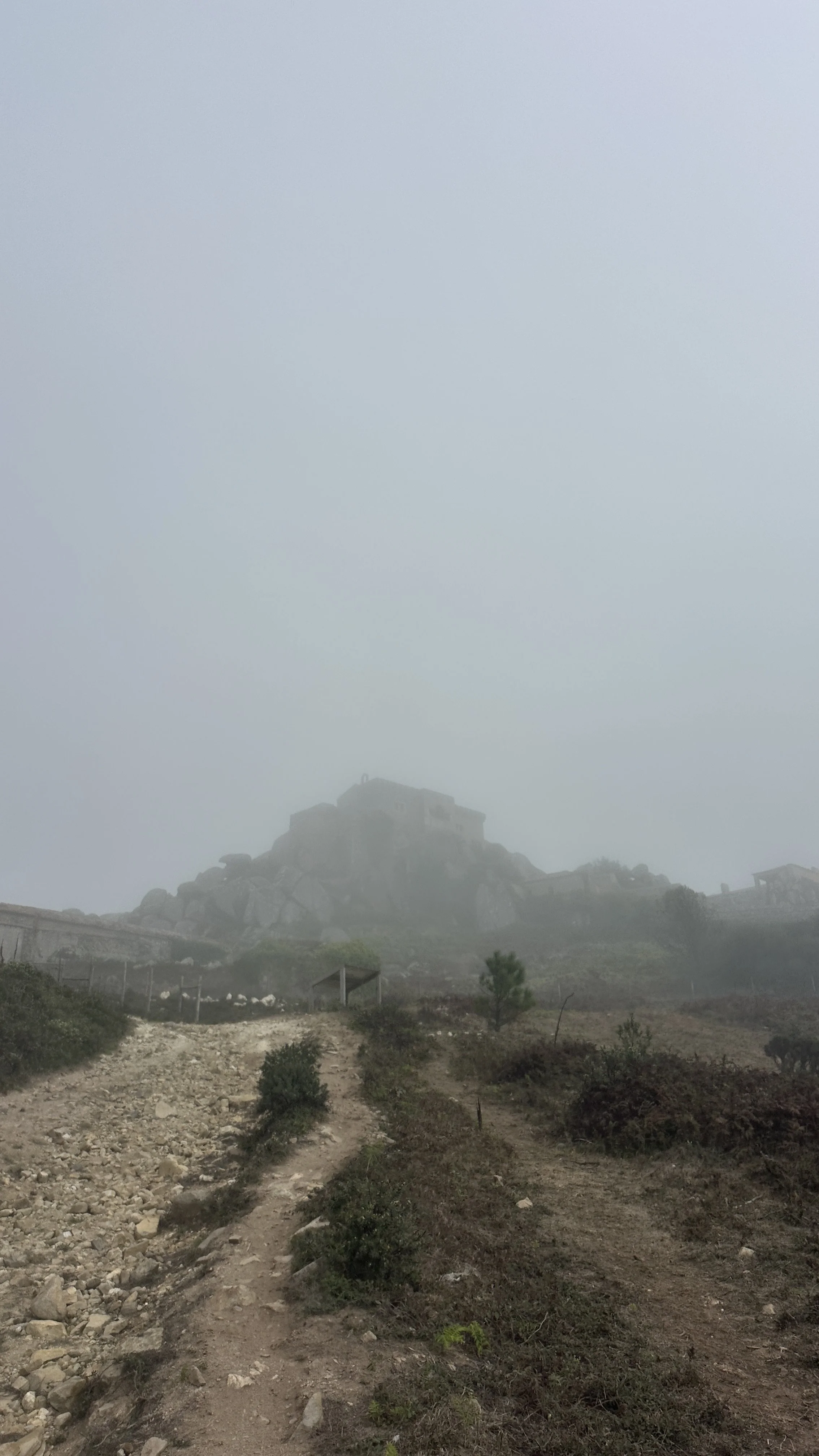
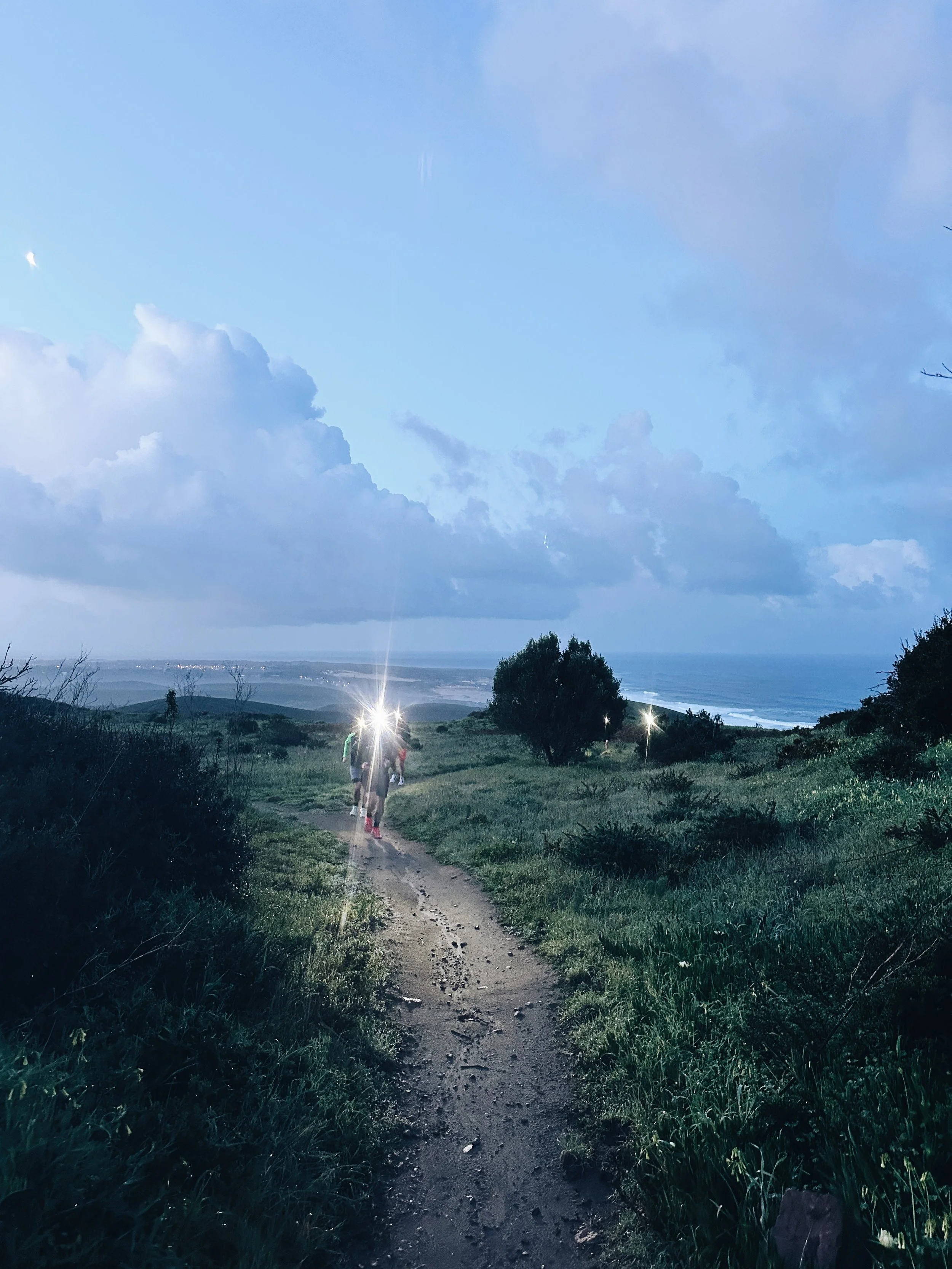
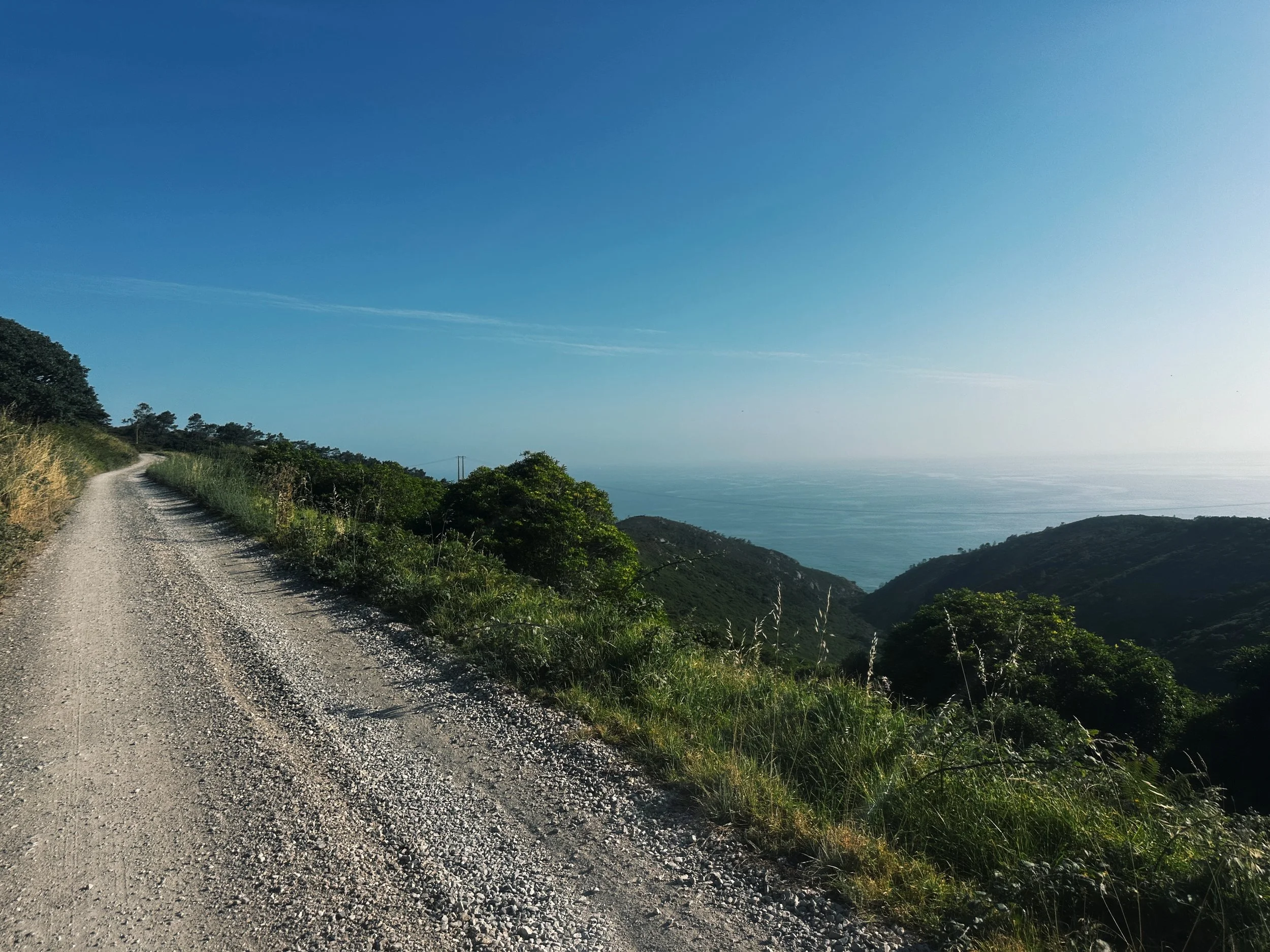
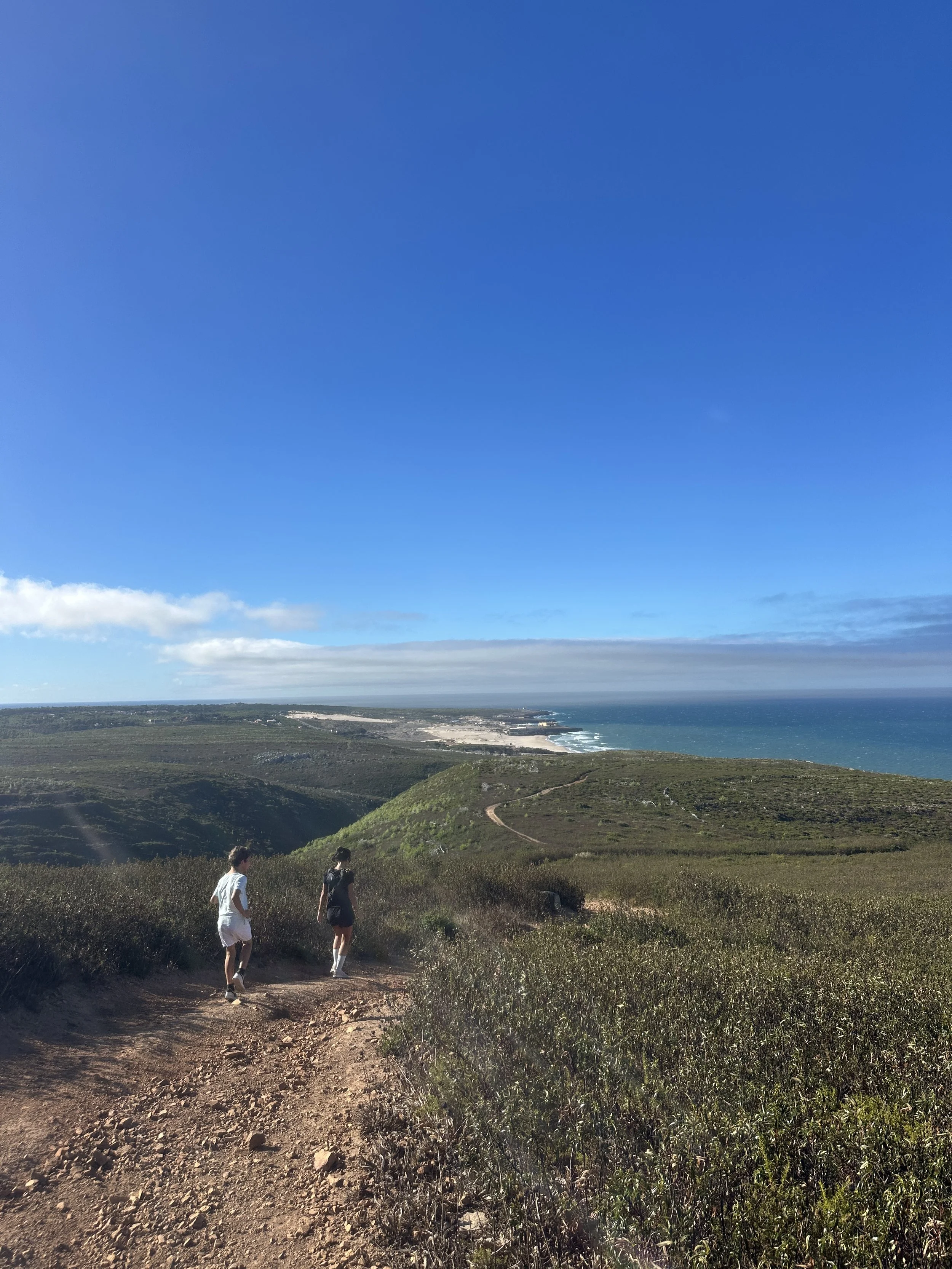
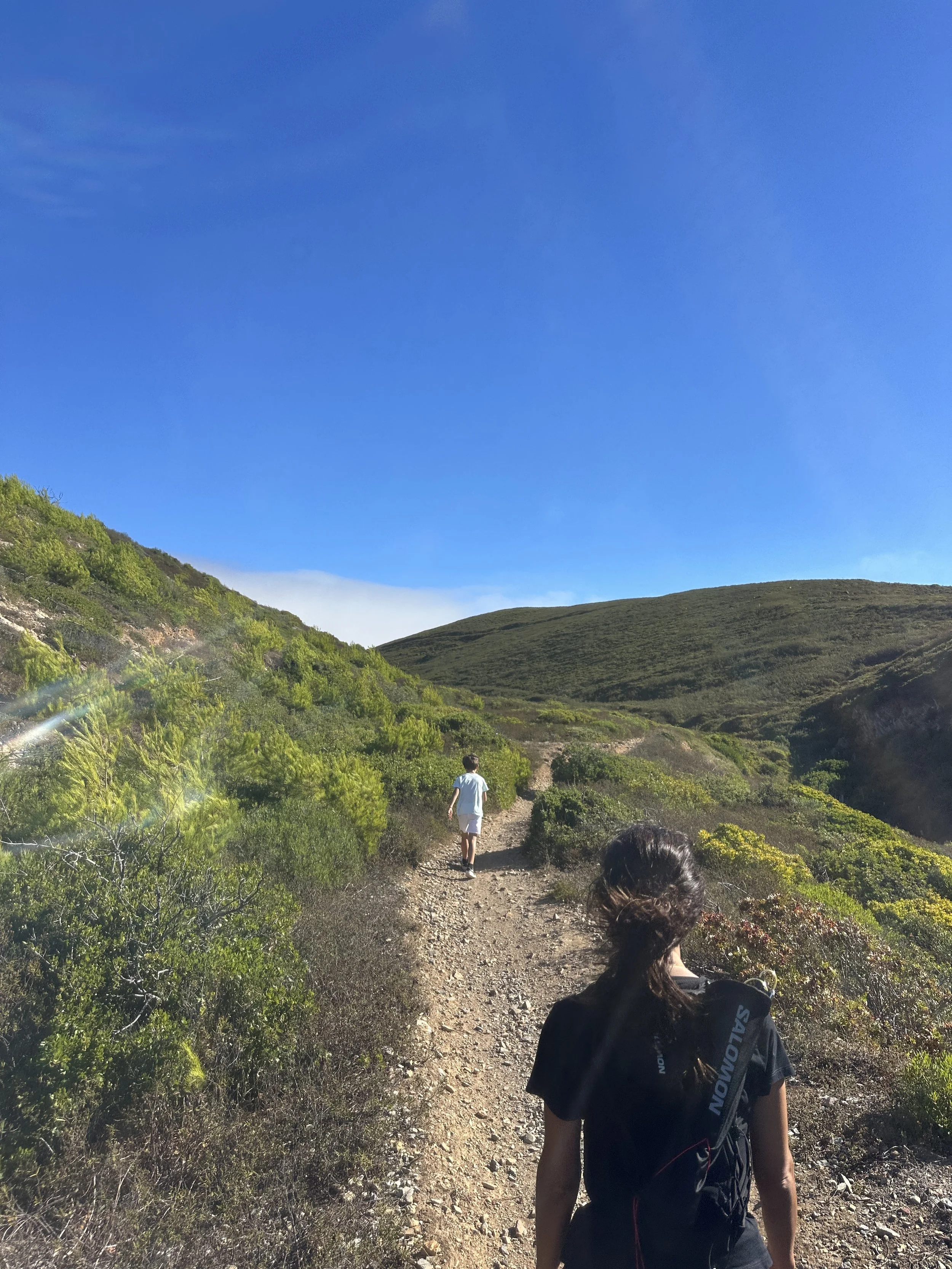
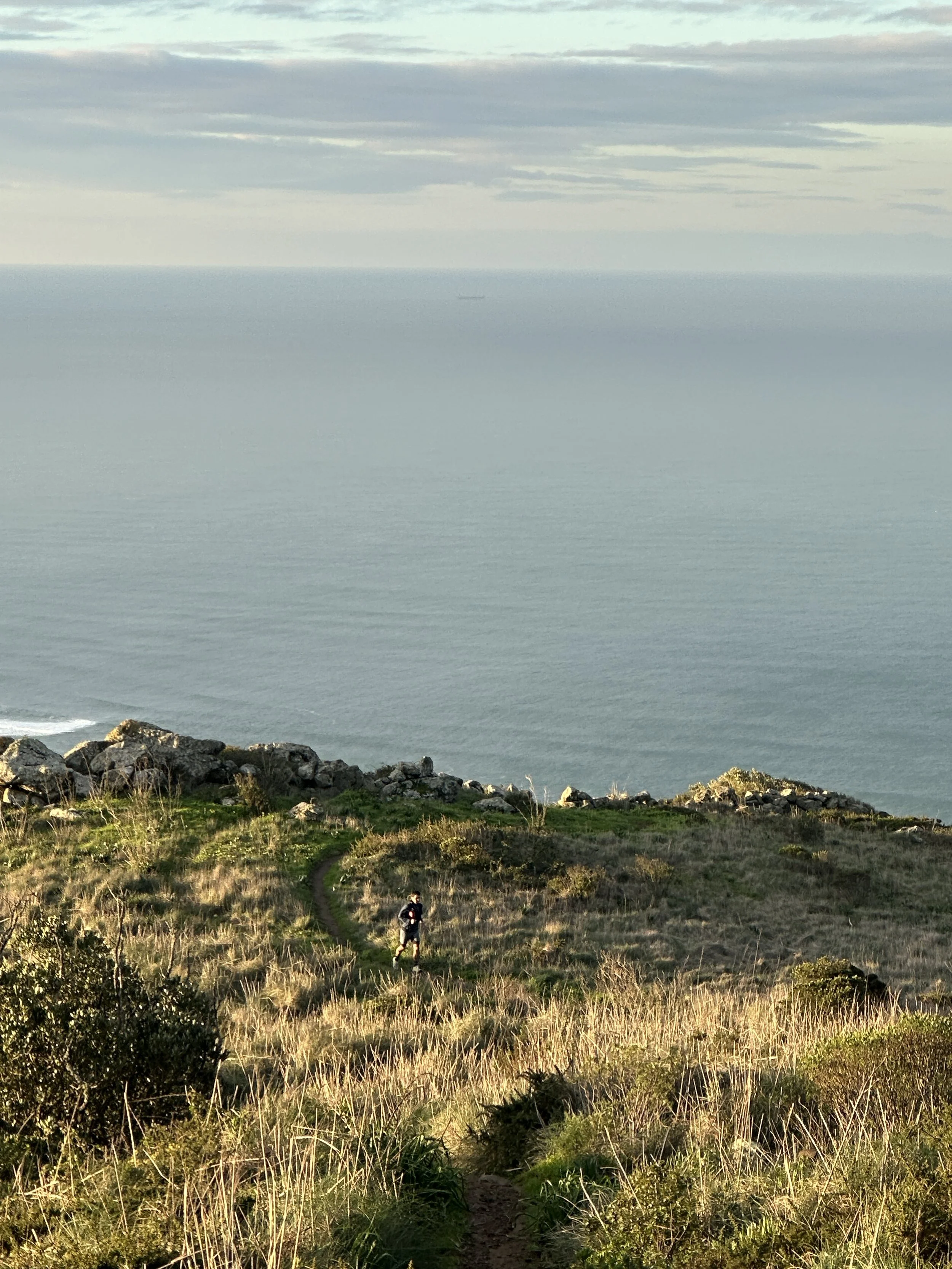
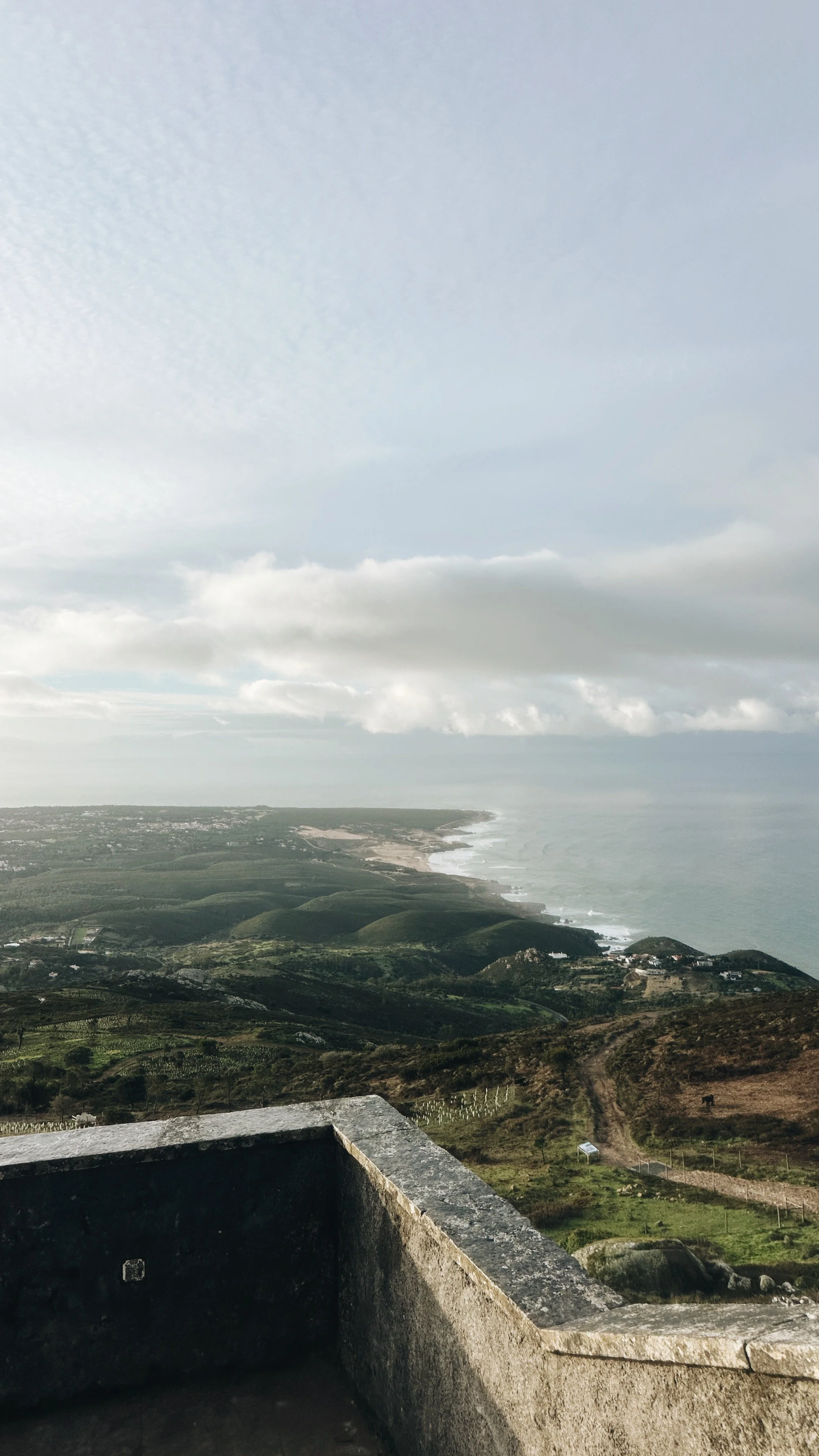
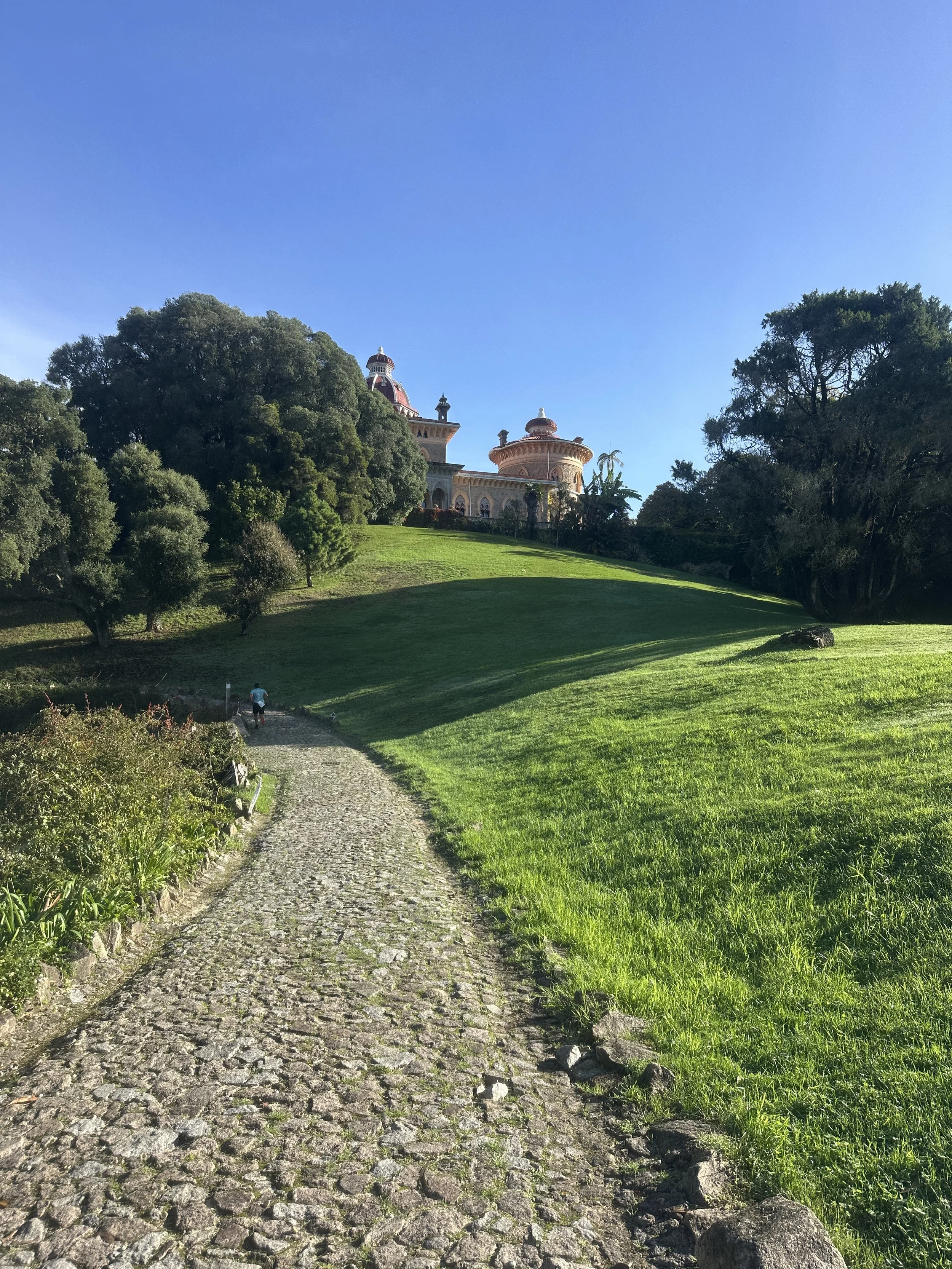
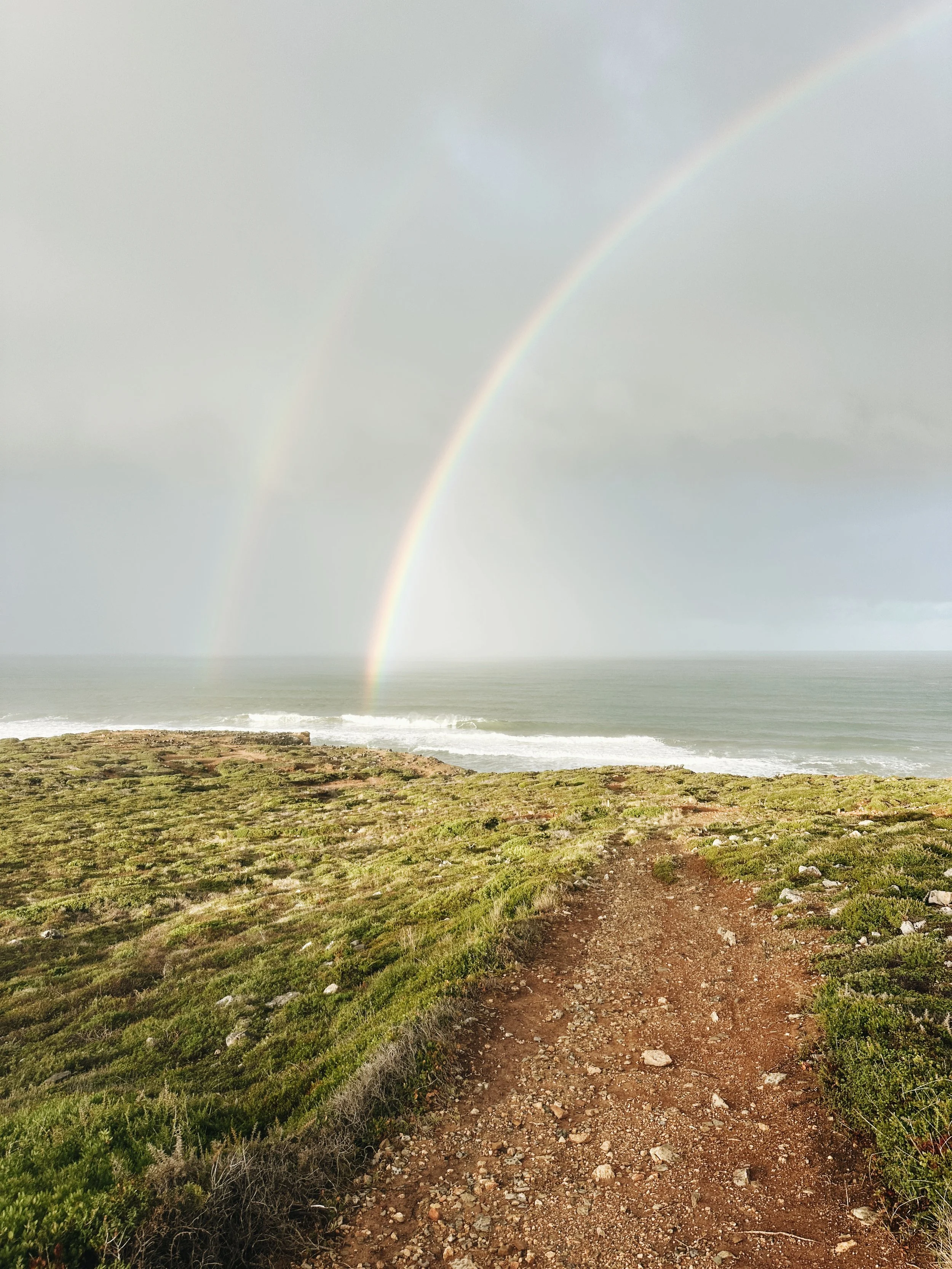
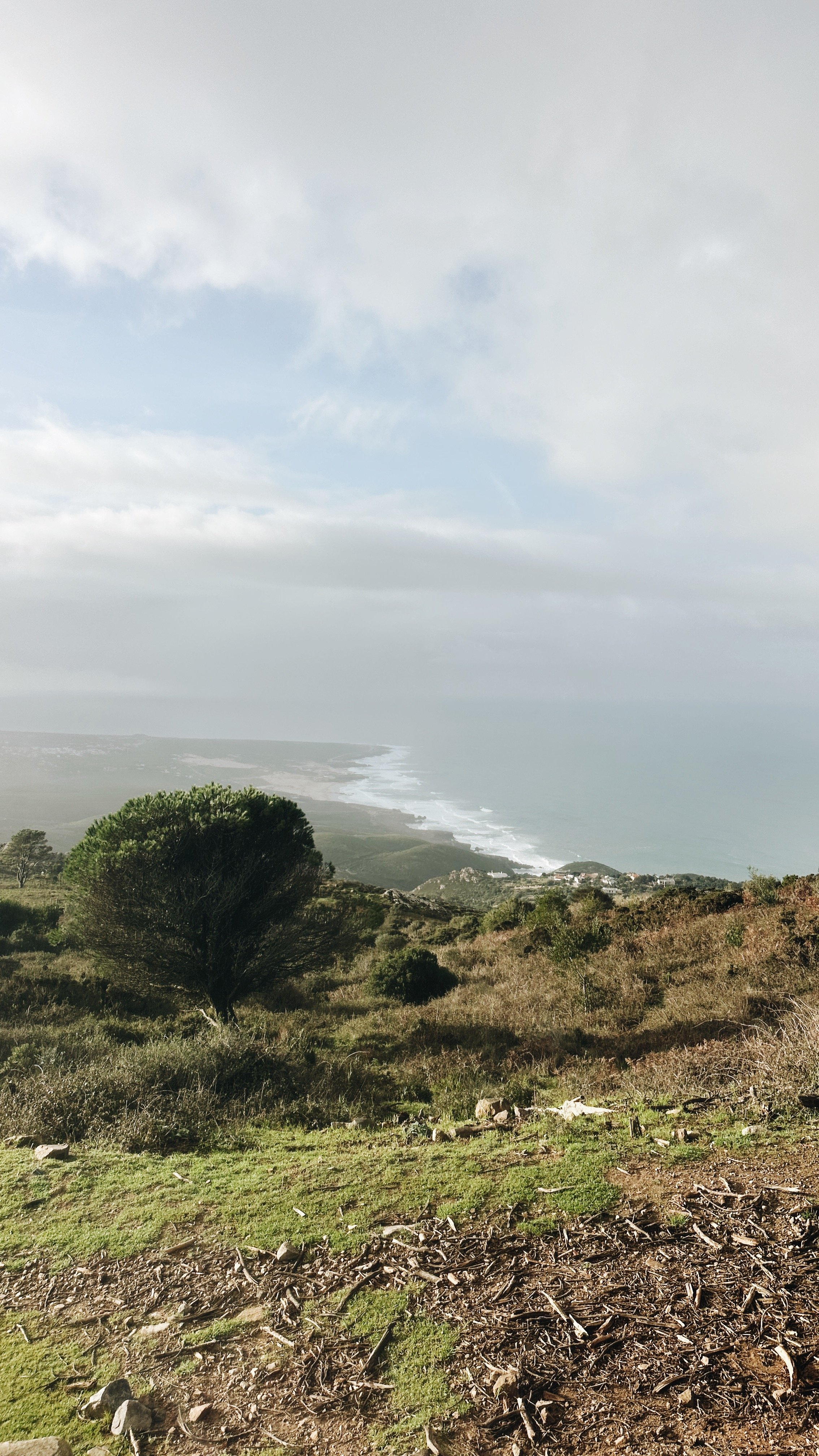
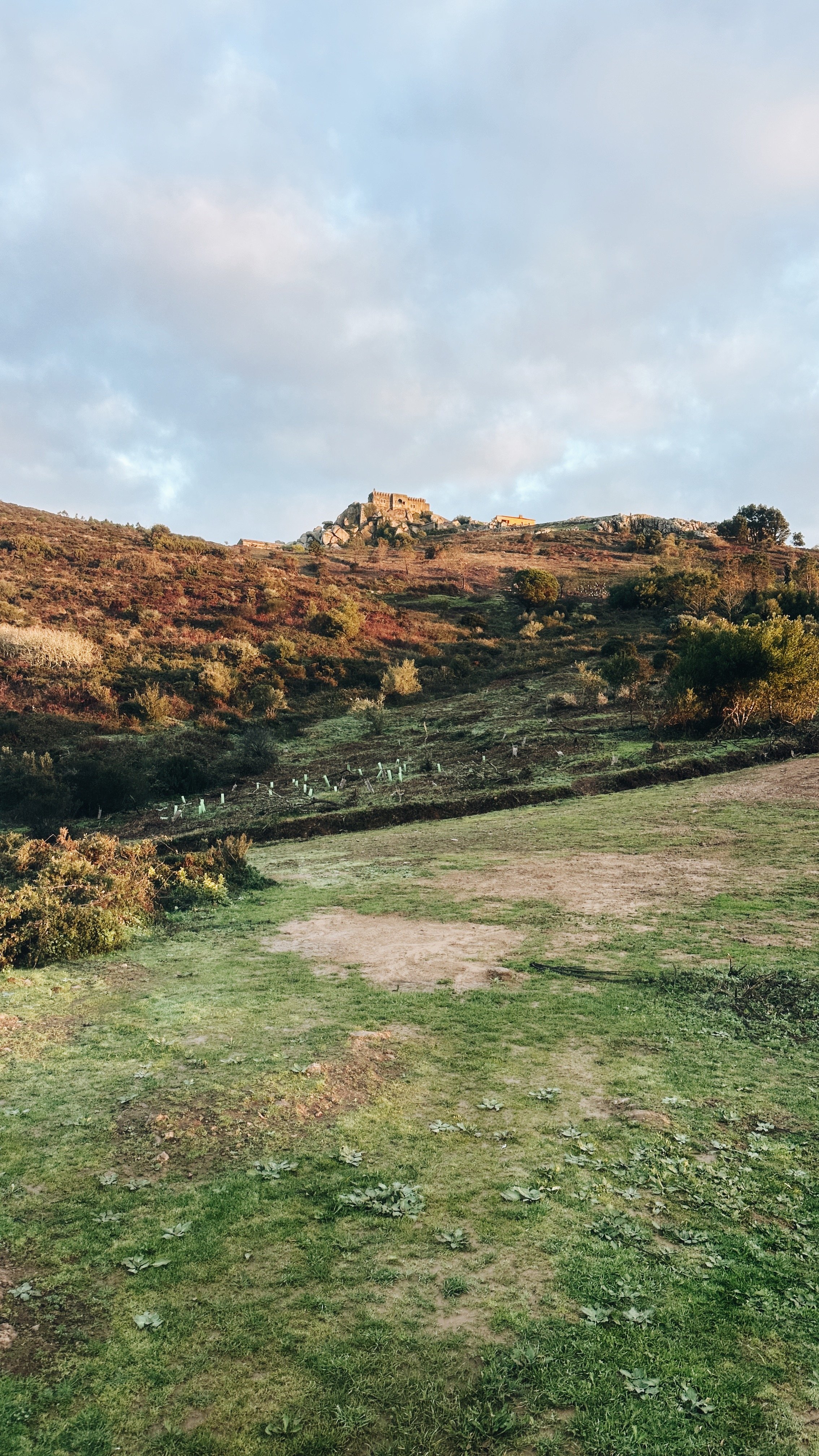
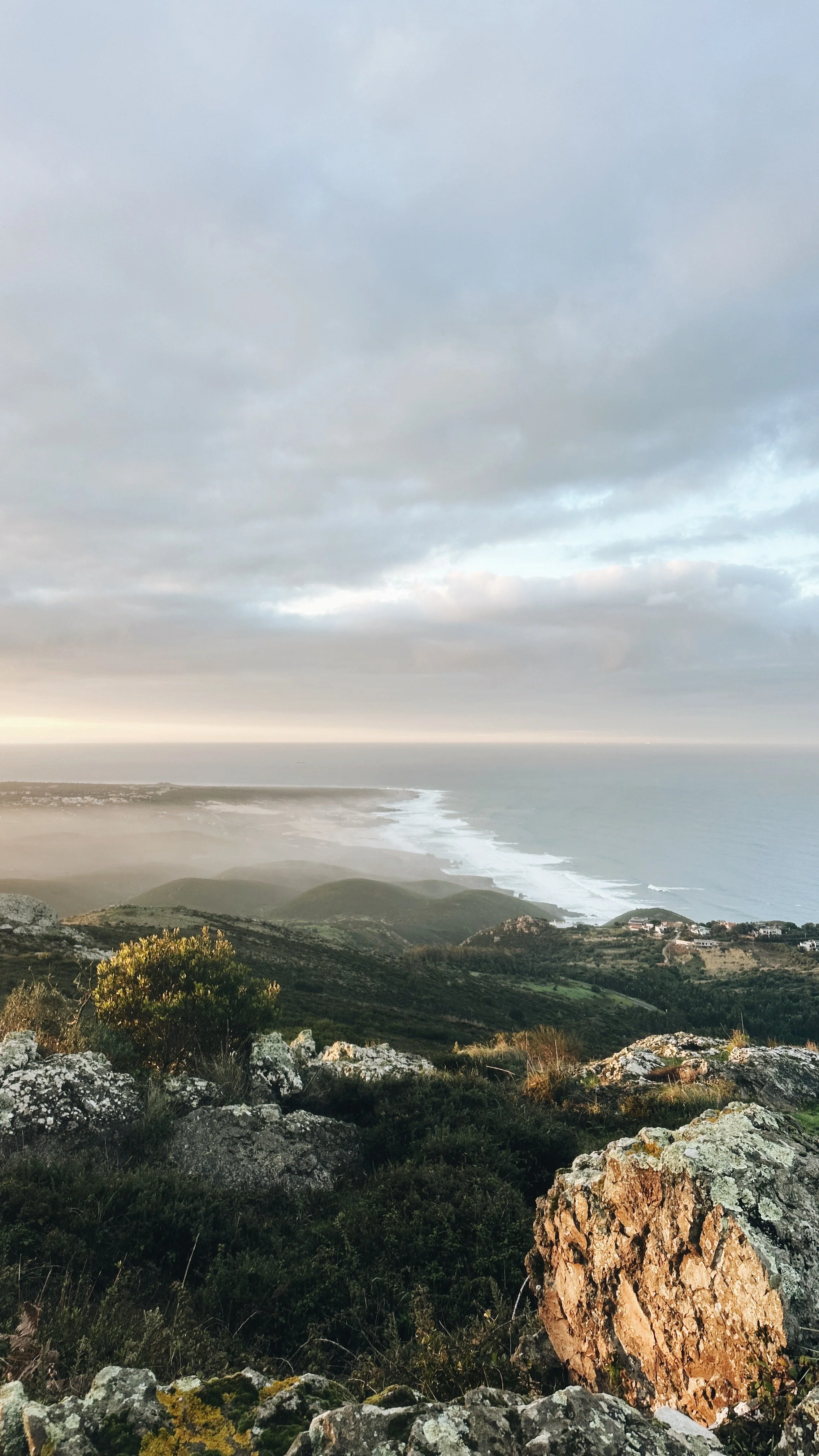
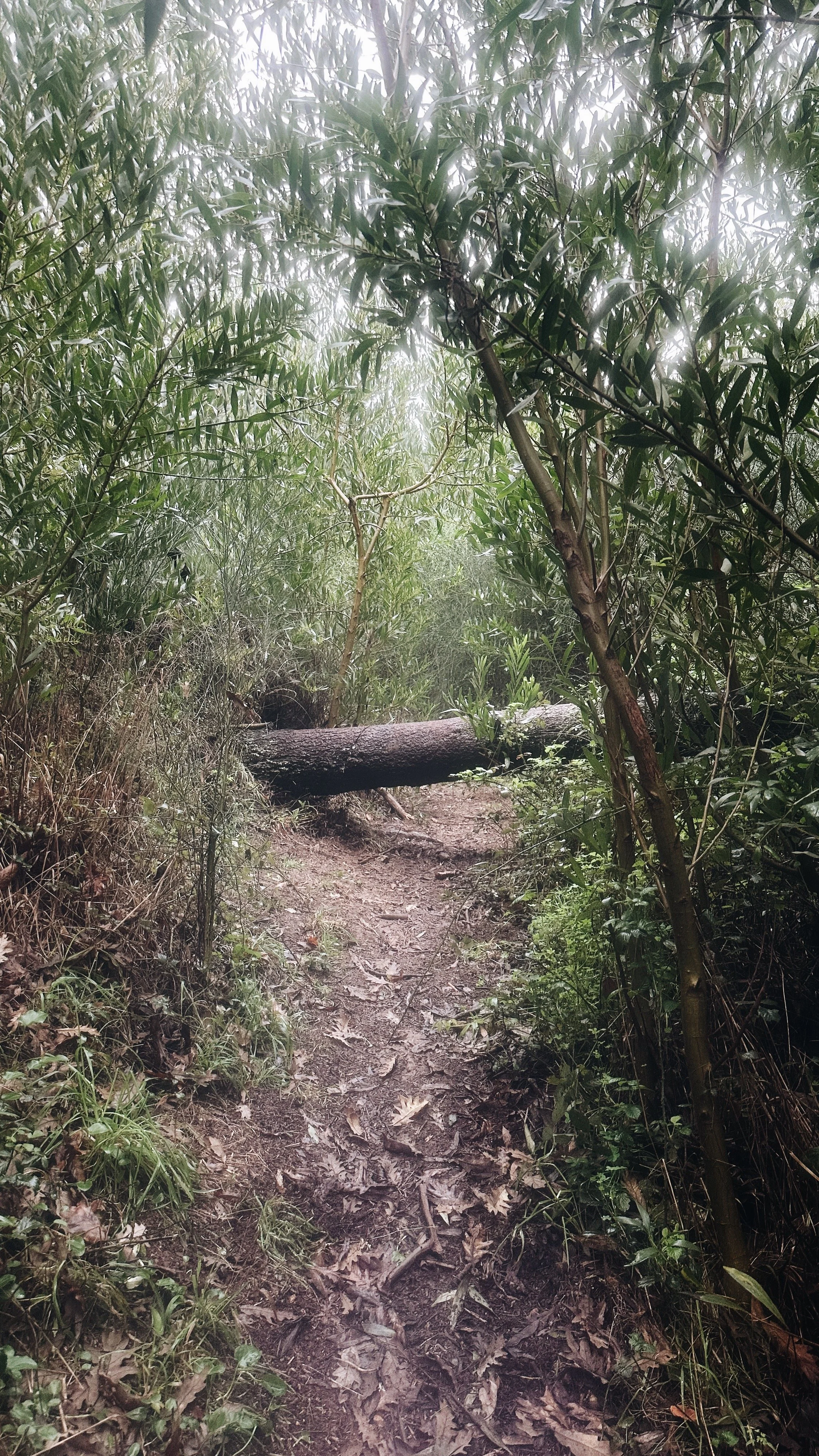
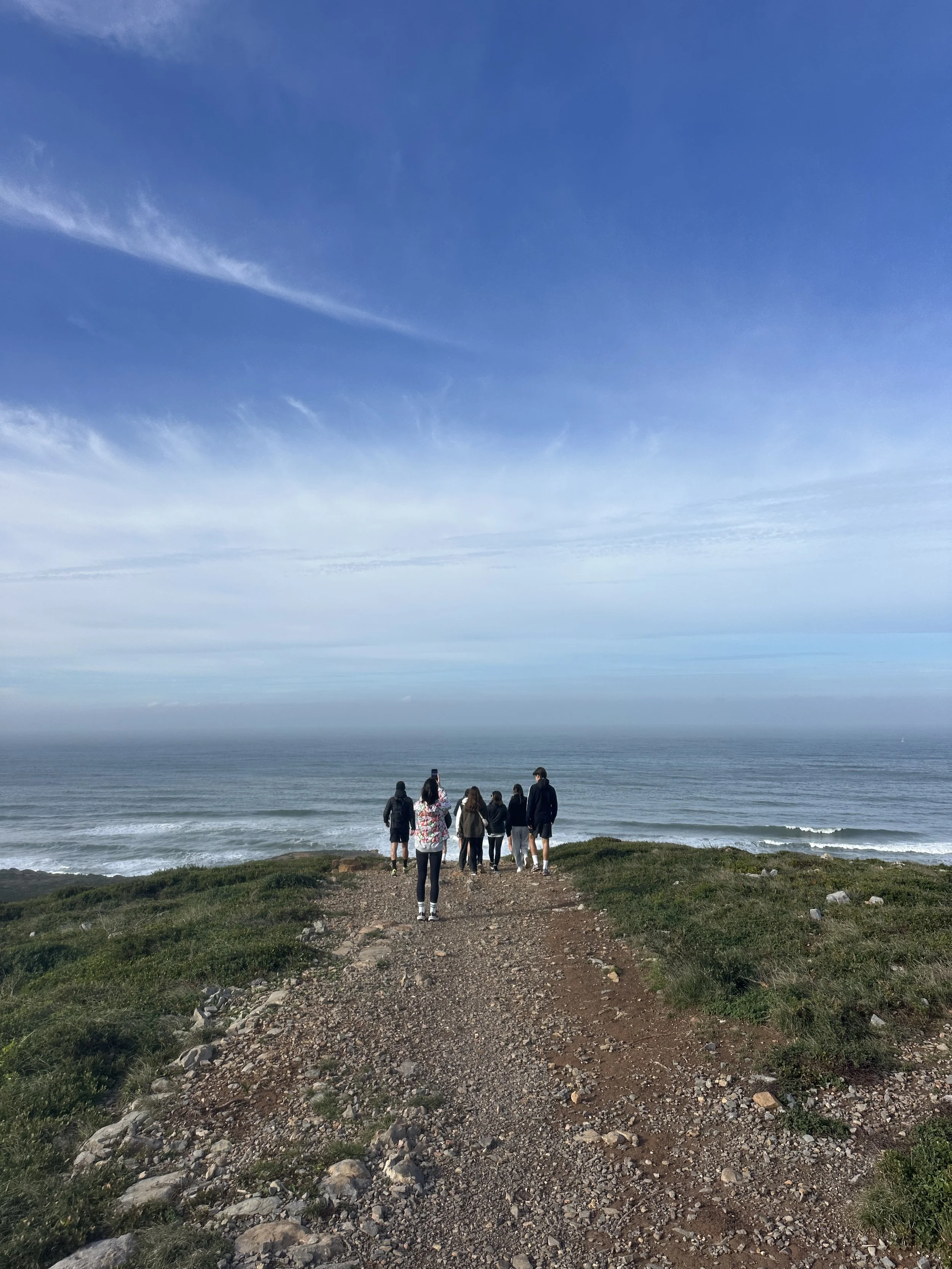
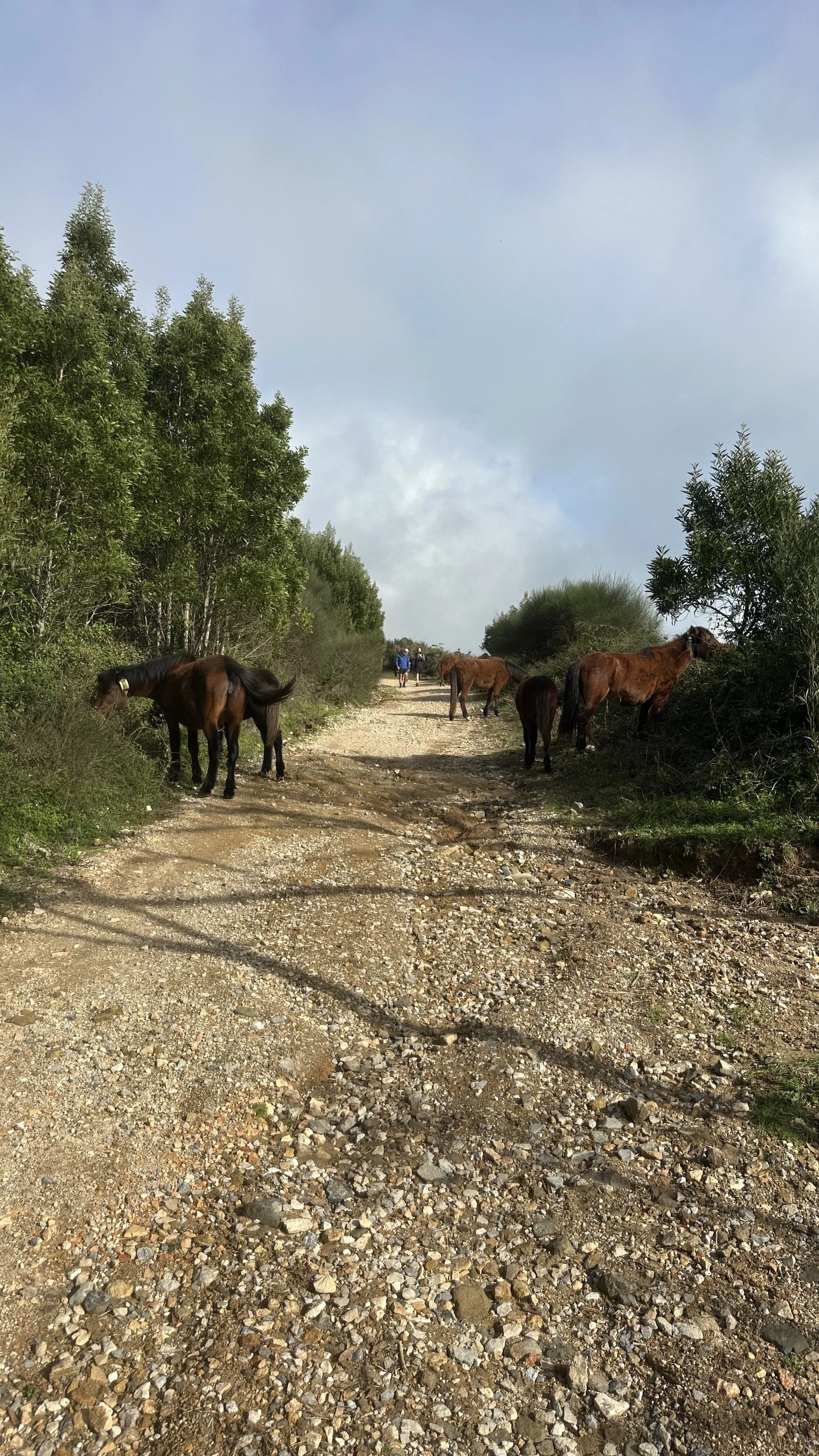
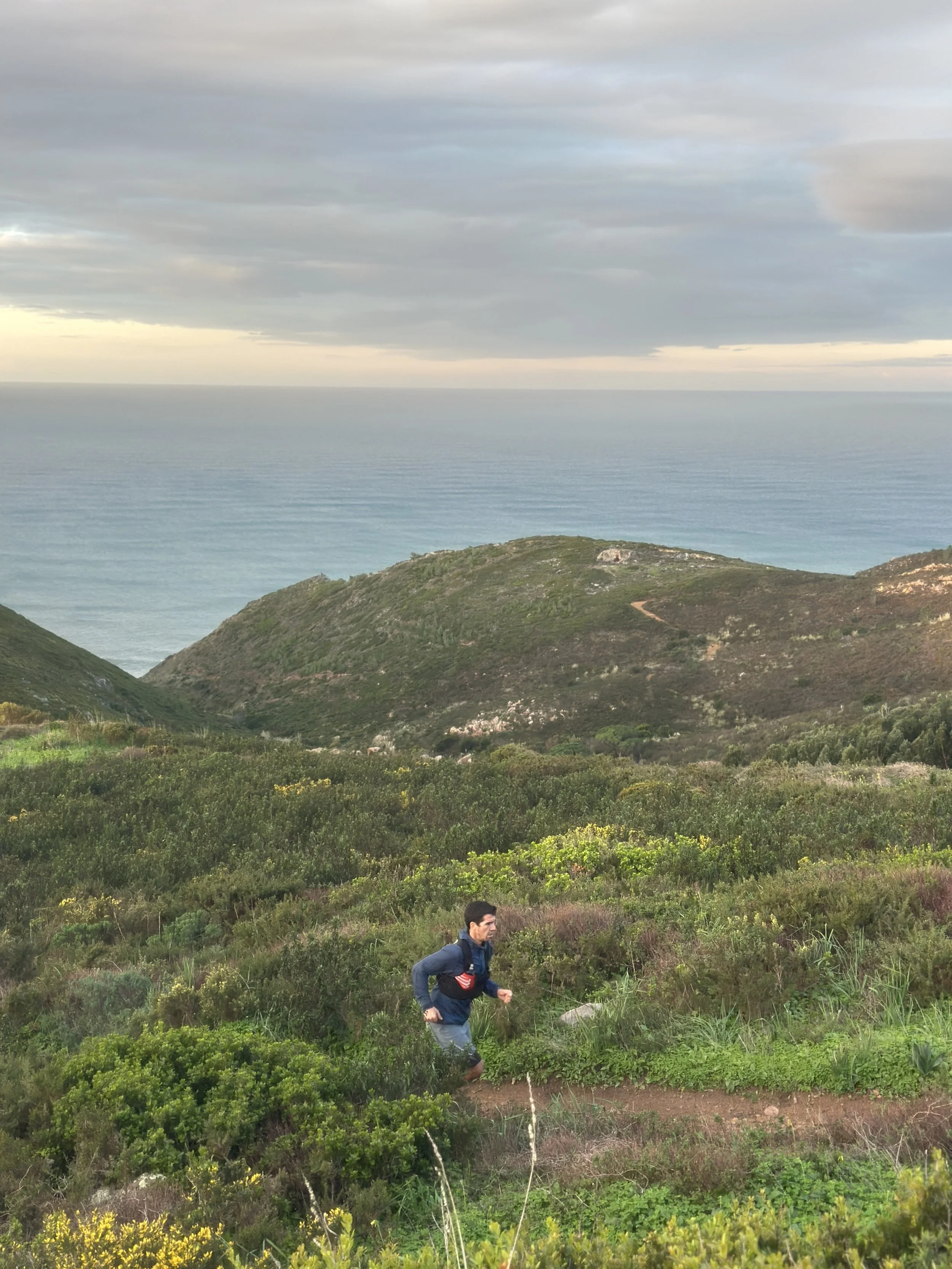
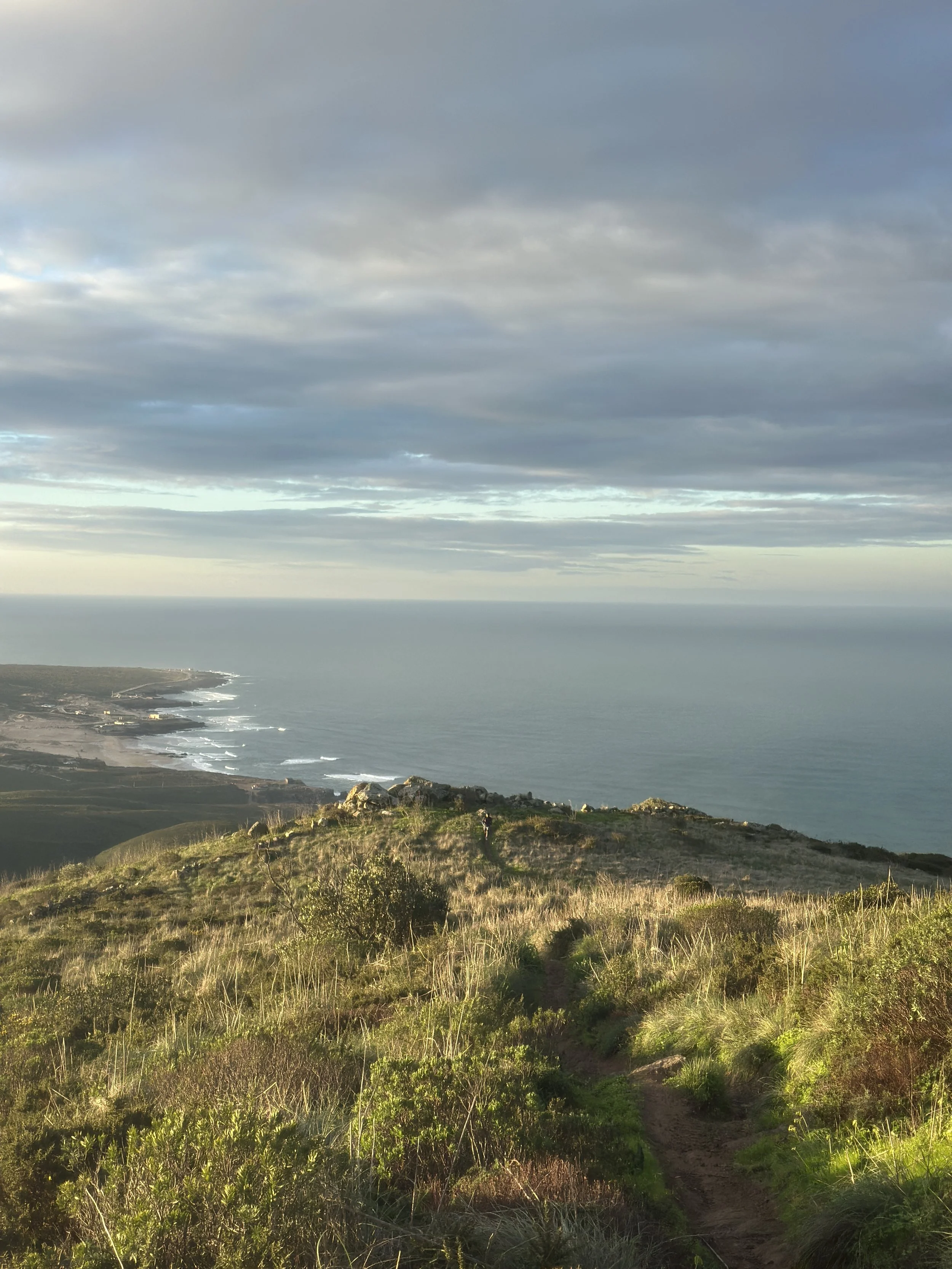
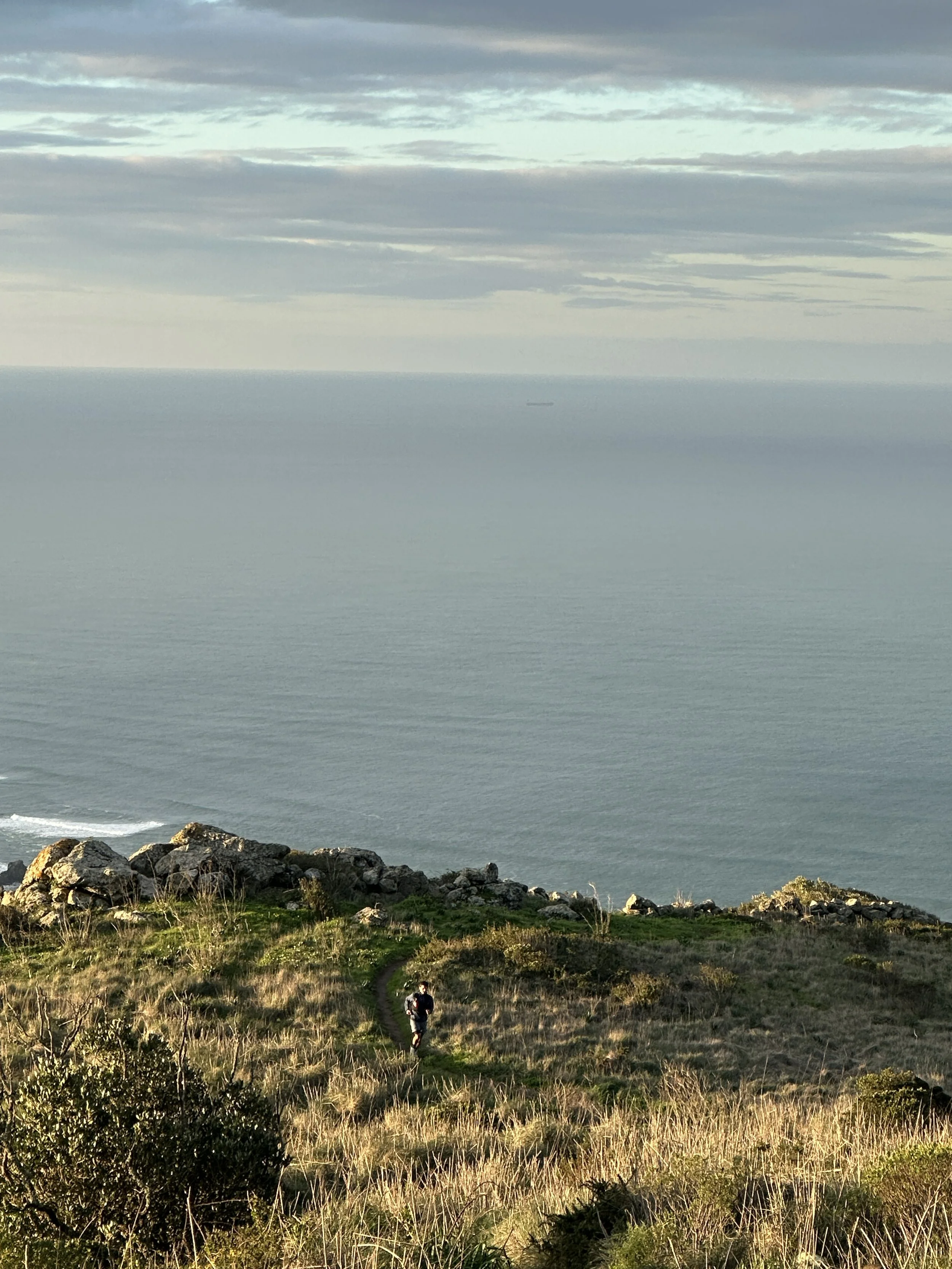
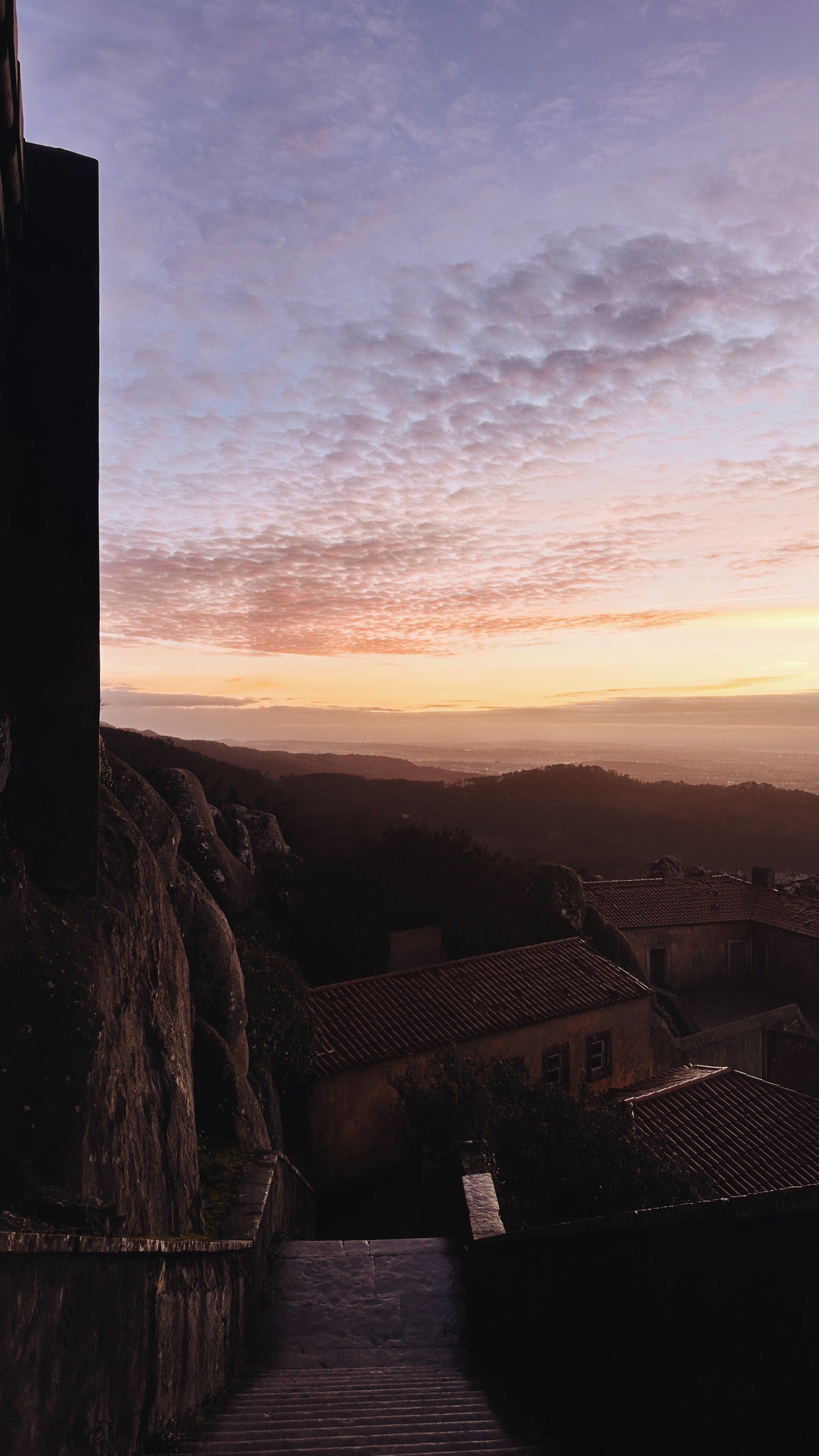
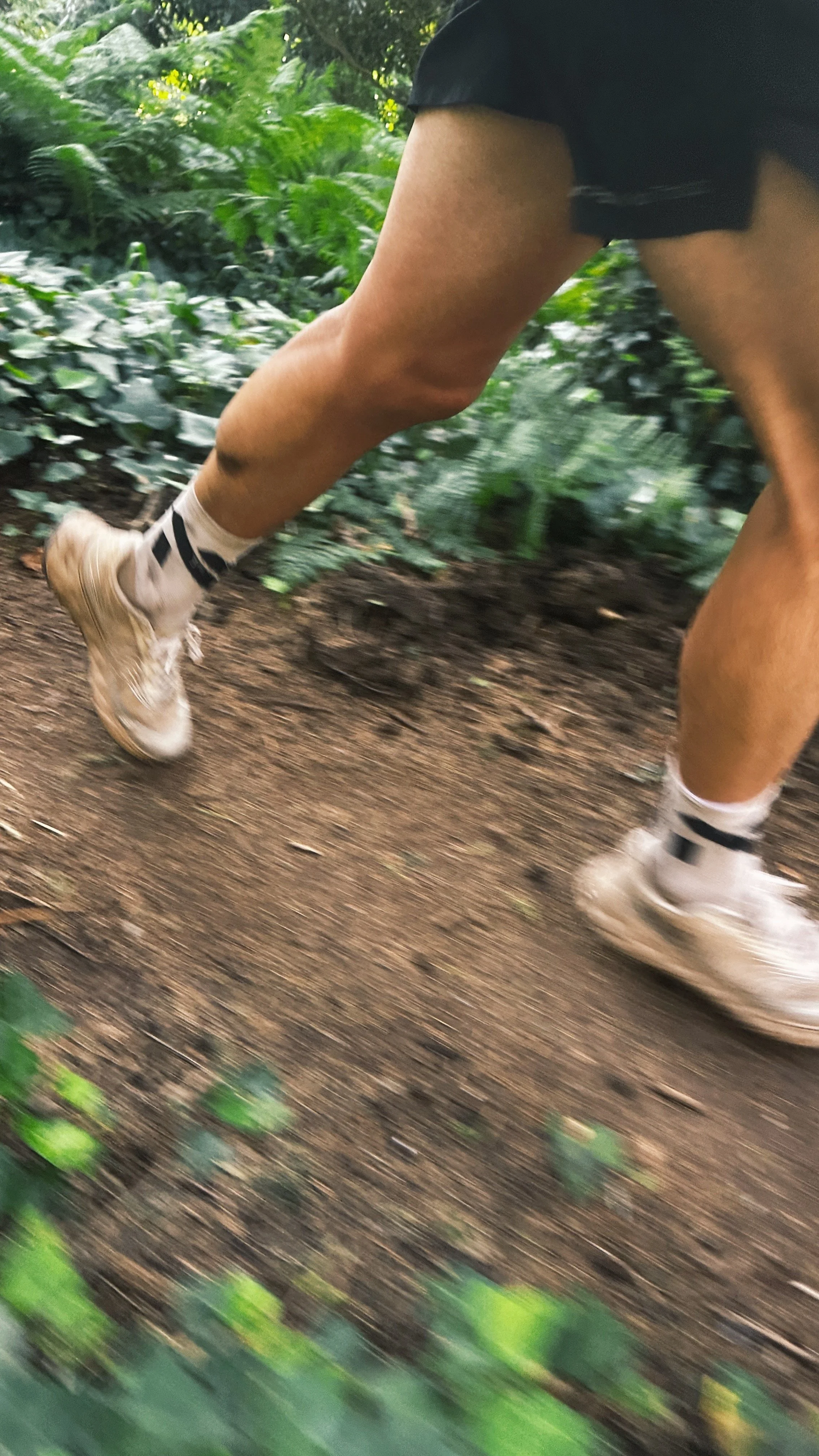
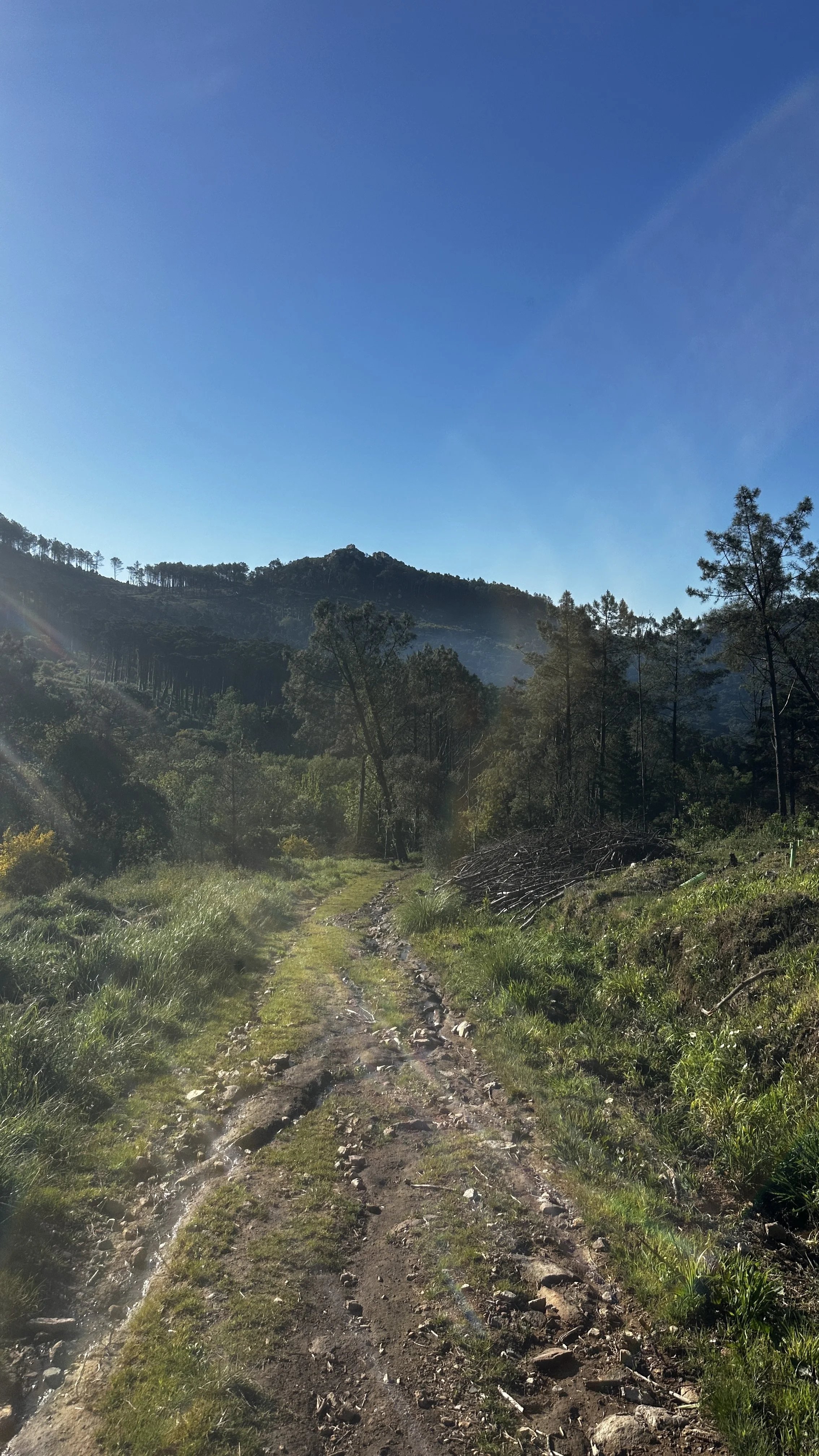
ALL THE FOLLOWING PHOTOS WERE TAKEN BY US, IN SINTRA, IN SOME OF THE TRAILS WE WILL BE RUNNING
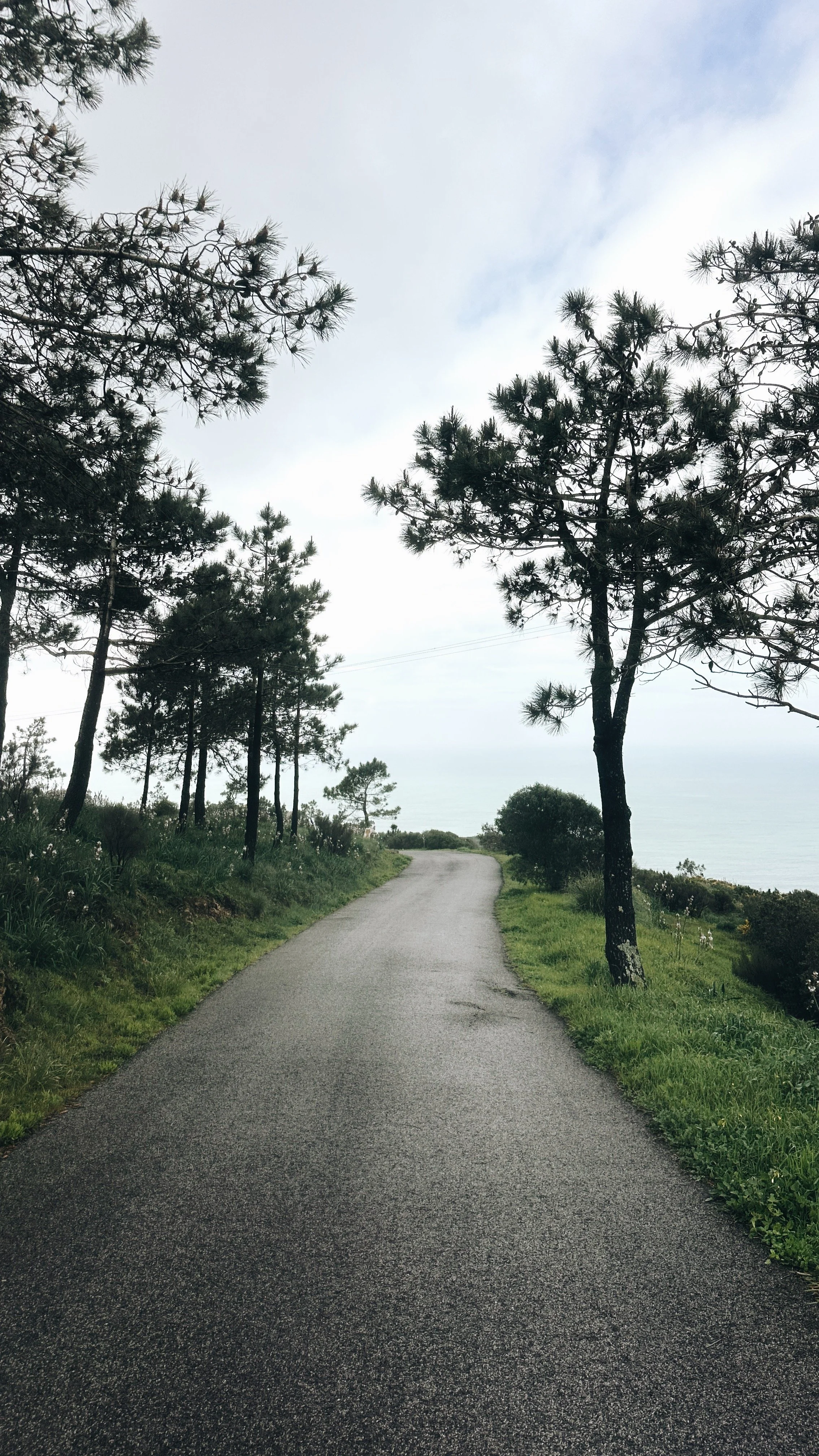
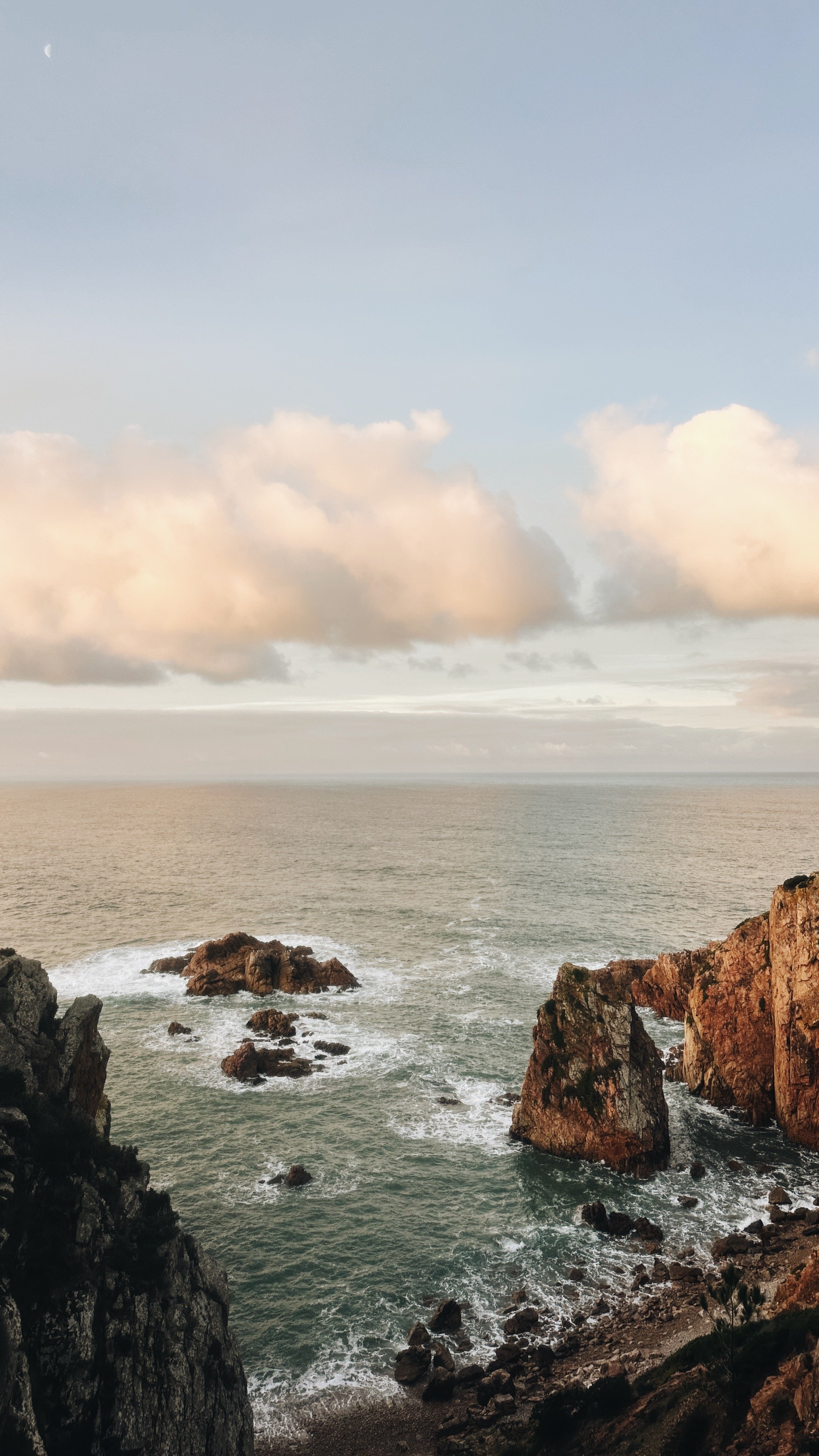
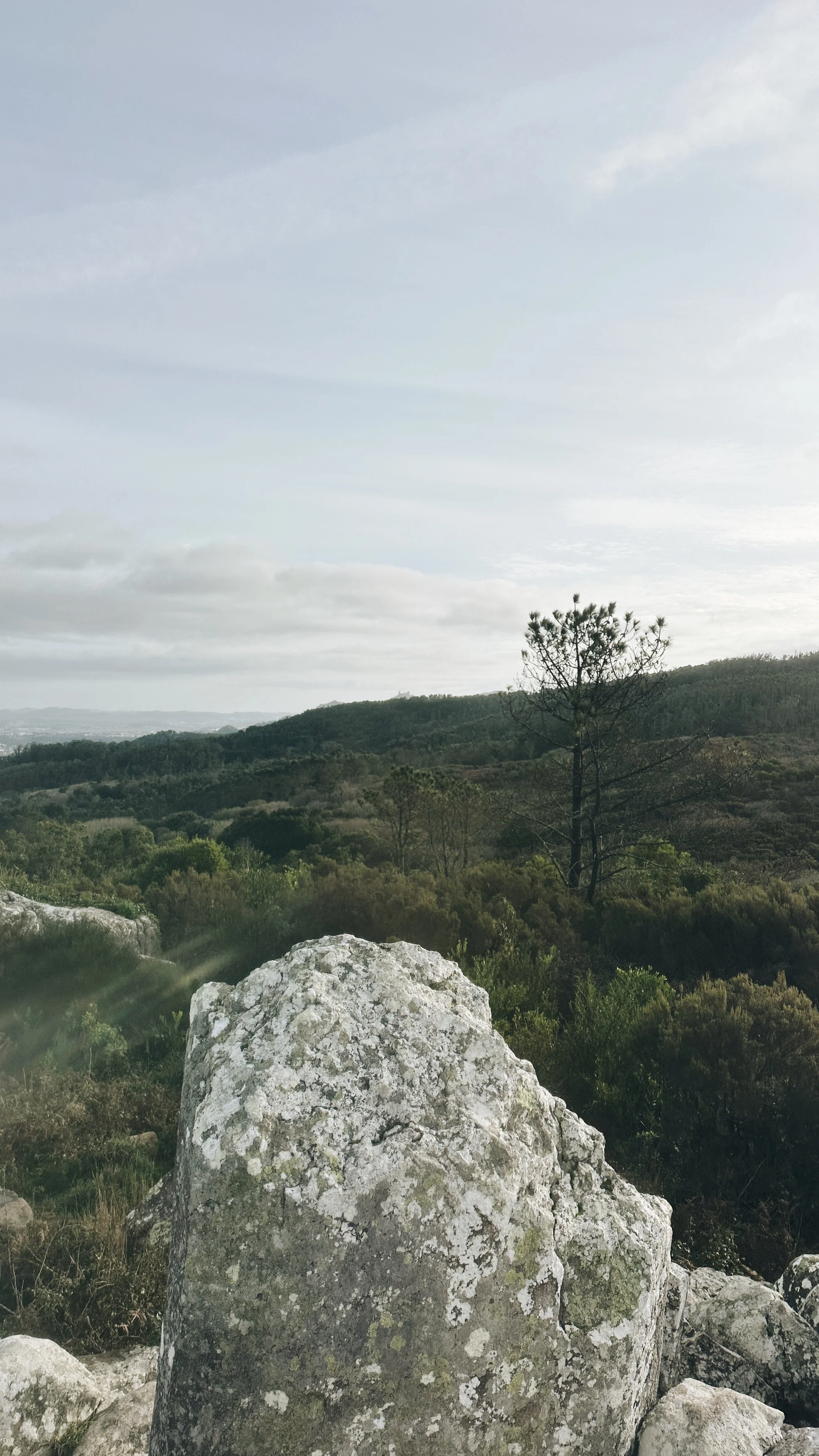
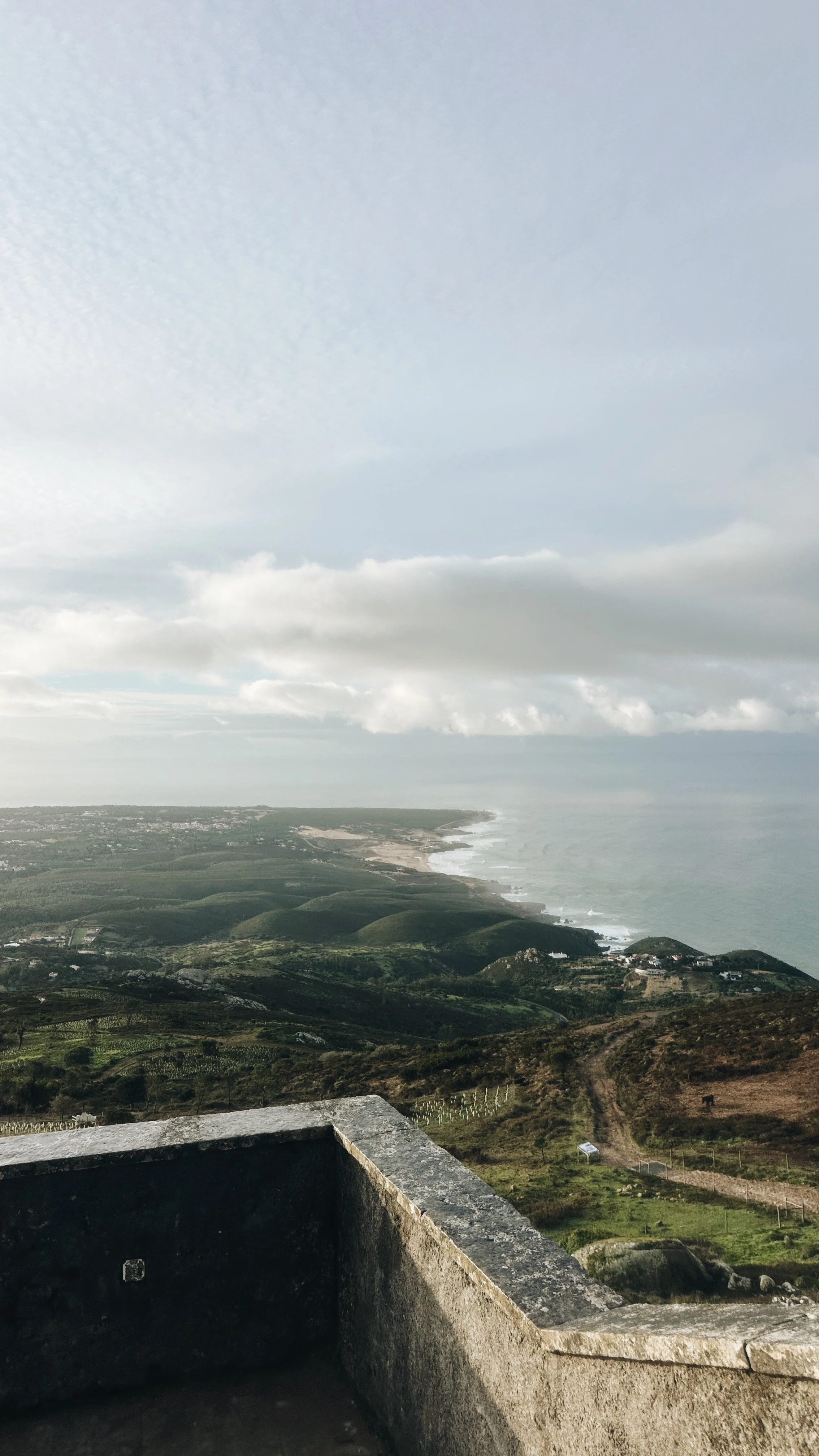
Same phones, same people, different places